
Last updated November 15, 2026
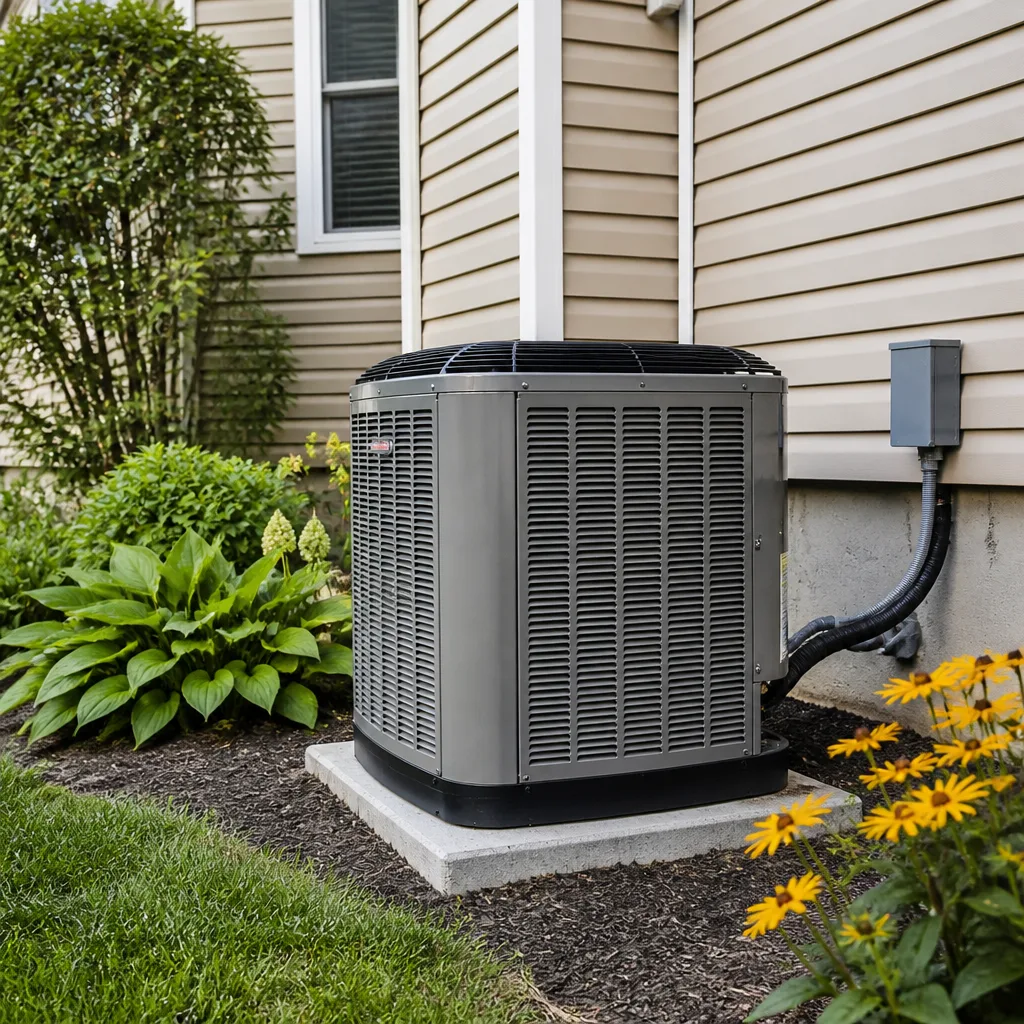 AC repair
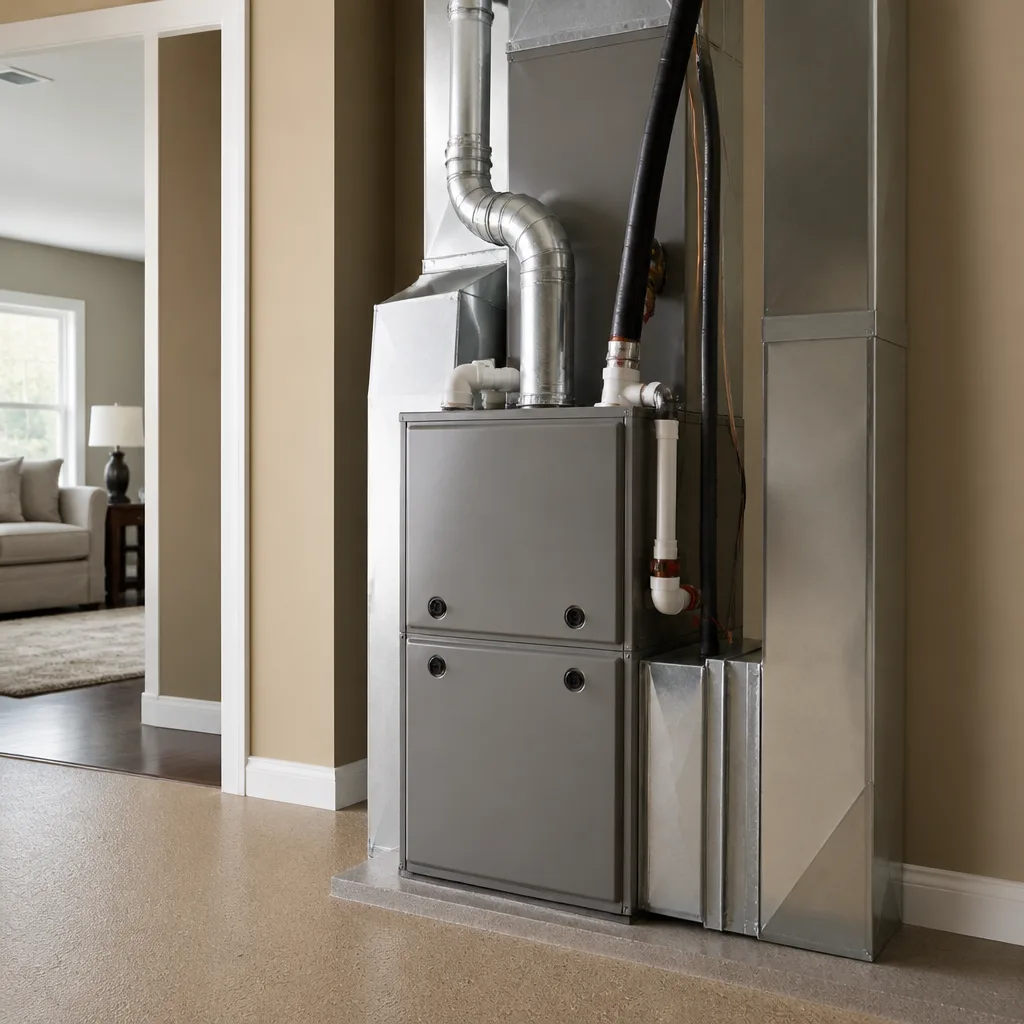 Furnace & heating
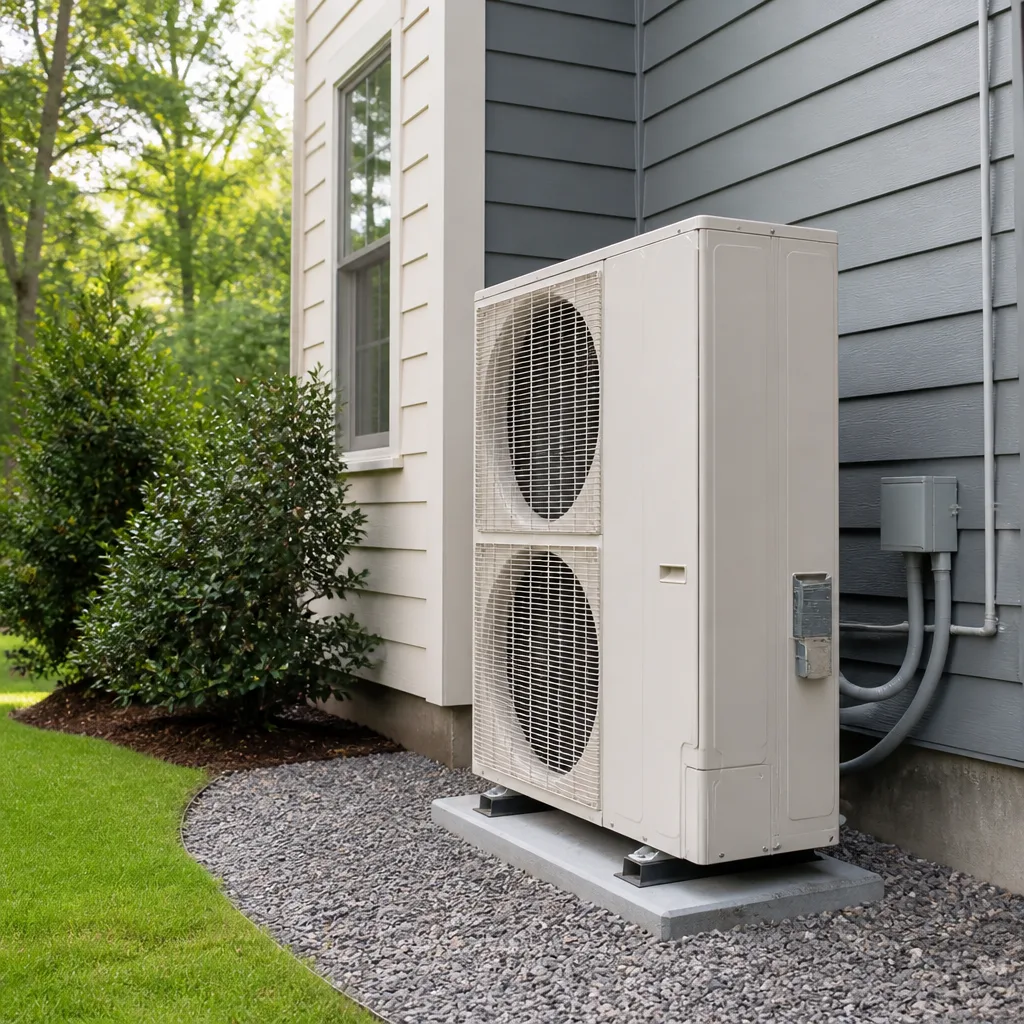 Heat pumps
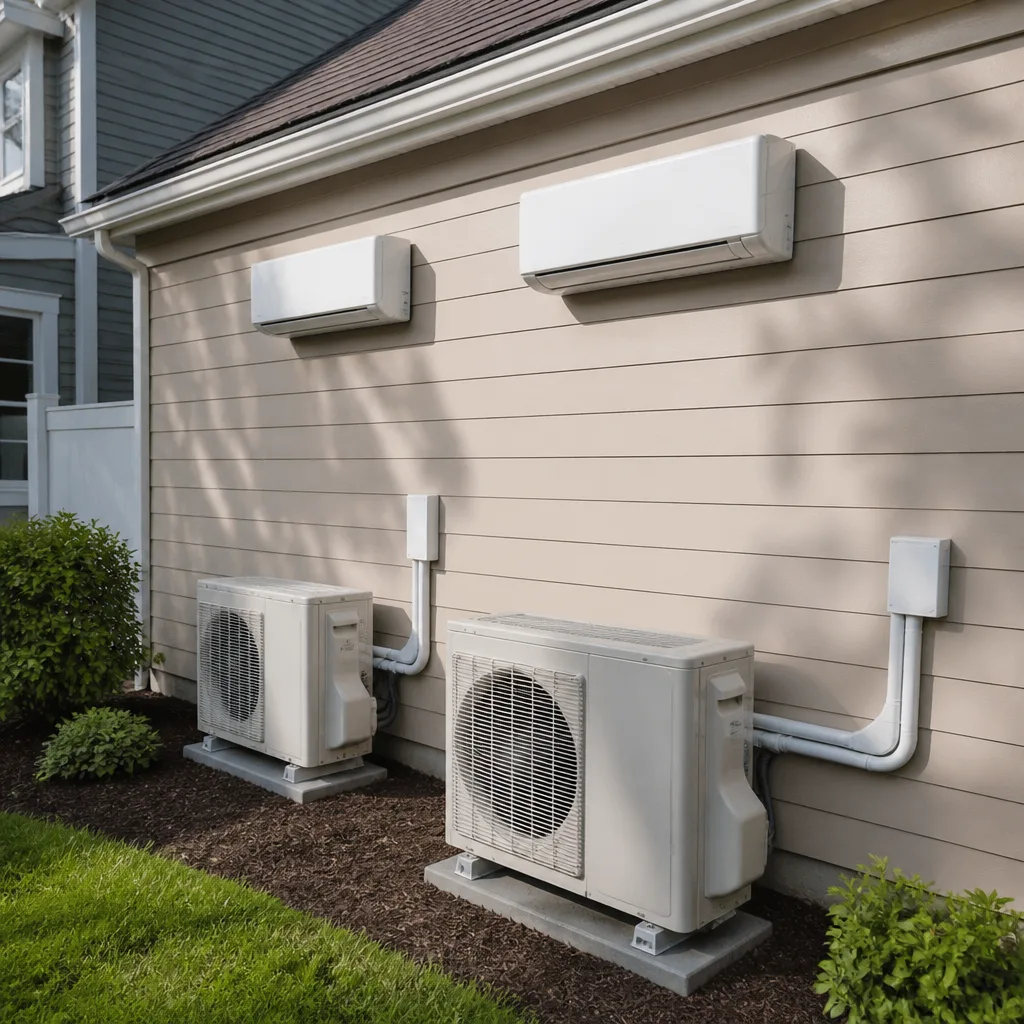 Ductless mini splits
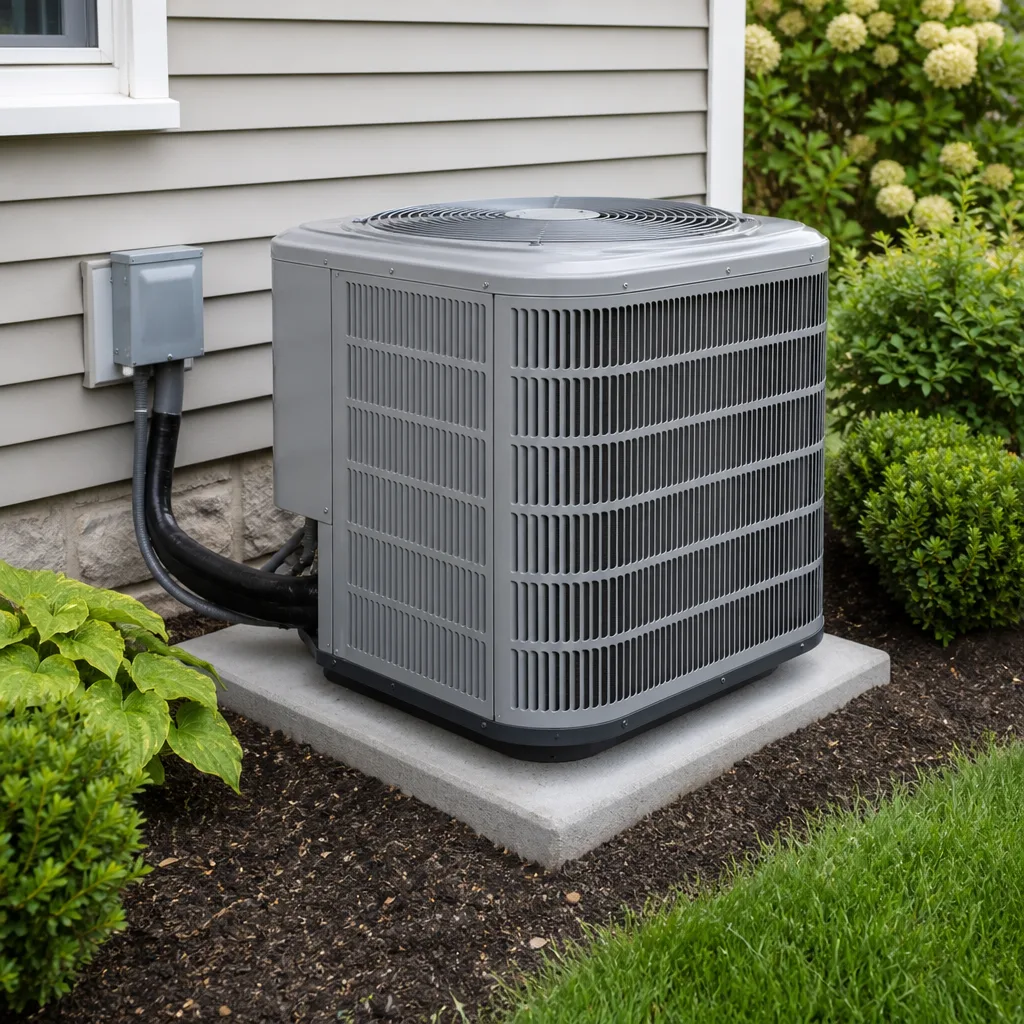 Carrier
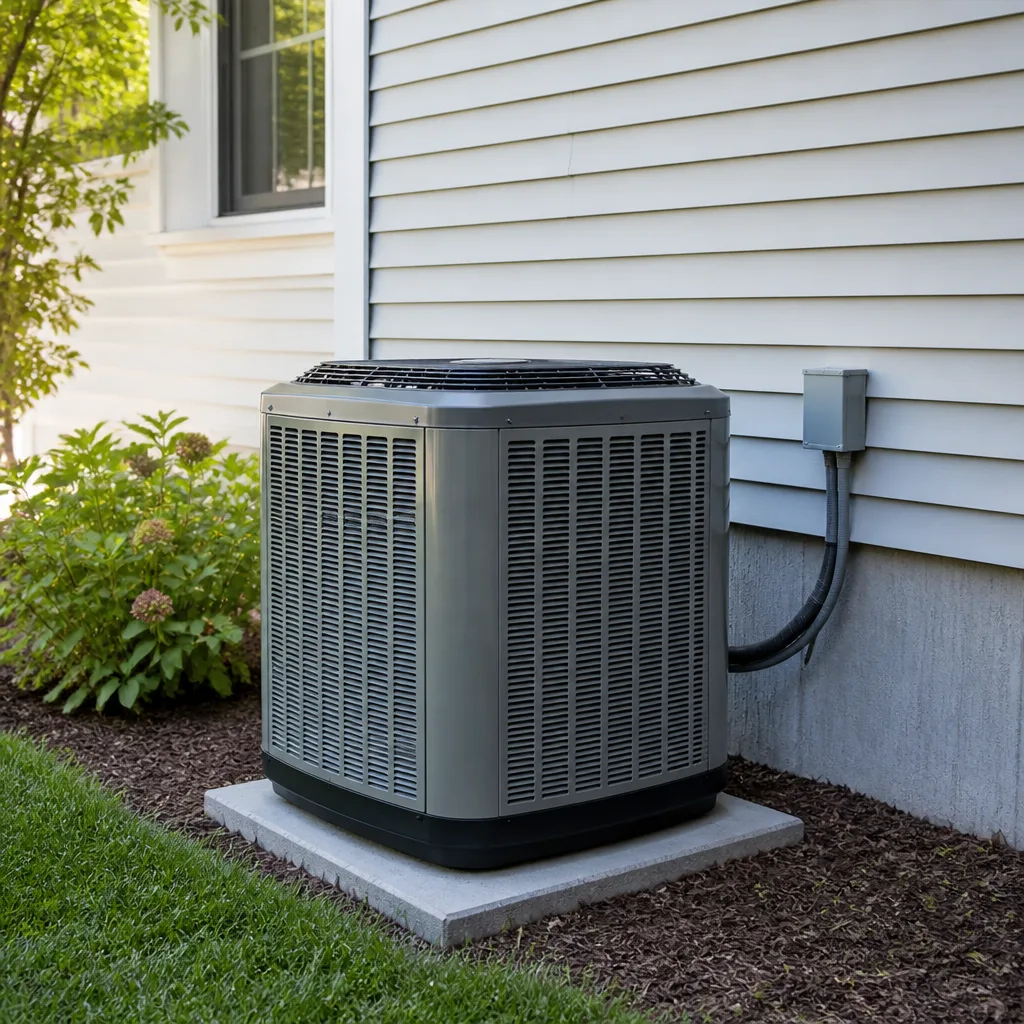 Trane
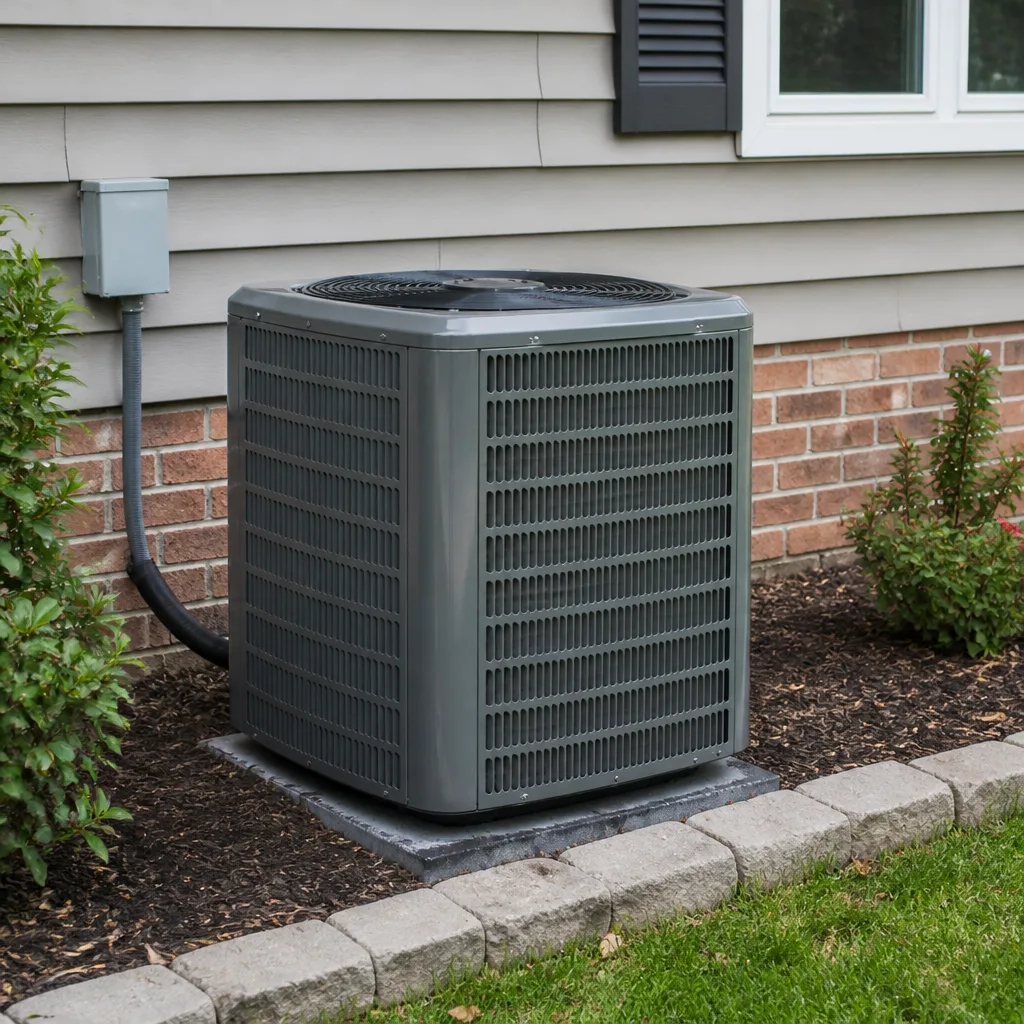 Goodman
Seasonal tune-up and full diagnostic on your Carrier, Trane, or Goodman system - readings shown to you before any repair is proposed
Diagnosis first, numbers second - you approve the repair price before a single part goes in.
Get your free estimateHVAC Cost Breakdown: The Pearland Homeowner’s Reference for 2026
Two quotes for “the same system,” one at $7,500 and one at $12,000, are almost never the same system. The gap usually lives in four places nobody explains on paper: SEER2 rating, refrigerant type, coil size, and drain line configuration. In a Pearland market where summer humidity drives equipment sizing and drain capacity harder than most national guides account for, those four line items matter more than the brand name on the box. This guide breaks down what HVAC work actually costs in Pearland in 2026, why the ranges look the way they do, and how to read a quote without guessing.
Styles & brands we work with
- AC repair
- Furnace & heating
- Heat pumps
- Ductless mini splits
- Carrier
- Trane
- Goodman
Quick Answer
In Pearland in 2026, a typical 3-ton split system replacement runs roughly $7,500 to $11,500 installed, and a 4-ton system runs roughly $9,000 to $14,000, with the spread driven mostly by SEER2 tier, refrigerant type, coil size, and whether the home needs upsized drain infrastructure beyond the original builder install. Repair costs range widely by component, and the written estimate always sets the final price.
Table of Contents
- Why HVAC Costs in Pearland Don’t Match National Averages
- What Does a System Replacement Cost in Pearland in 2026?
- SEER2 Tiers and What They Add to the Bill
- Drain Infrastructure: The Hidden Line Item in Many Pearland Replacements
- Repair, Replace, or Defer? A Decision Framework
- Labor Rates and Contractor Variance
- Rebates, Tax Credits, and What to Ask the Contractor to Document
- Common Mistakes to Avoid
- When to Call a Professional
- Frequently Asked Questions
Why HVAC Costs in Pearland Don’t Match National Averages
National cost guides describe an average American house in an average American climate. Pearland isn’t average on either count. Homes here run cooling equipment harder and longer than the national median, and the load profile that drives equipment sizing is dominated by latent heat, meaning humidity removal, not just temperature drop. That single fact reshapes the cost structure from the ground up.
Three forces separate Pearland pricing from the national benchmarks you’ll see quoted online:
- Cooling-dominated load. When a system spends most of the year removing moisture as well as heat, coil sizing and airflow matter more than heating capacity. A system sized for a national average house will short-cycle here and fail early.
- Humidity-driven drain demands. A cooling system in this market produces a steady stream of condensate. Builder-grade drain lines and pans often can’t keep up over a full season, and that shows up as a replacement line item more often than homeowners expect.
- Local permit and inspection costs. Pearland requires permits for HVAC replacement work, and permit fees plus inspection scheduling add a fixed cost that varies by contractor and by scope. Ask your contractor whether the permit is included in the quote and who pulls it.
None of this means Pearland costs are higher across the board. It means the components of the bill are different, and a national average flattens exactly the line items that matter here. If you’re comparing quotes, ask what assumptions each contractor made about load, drain capacity, and permit scope. The Pearland market rewards a contractor who walks the house and measures, not one who quotes from a square footage table.
What Does a System Replacement Cost in Pearland in 2026?
Most Pearland homes fall into one of two replacement buckets: a 3-ton split system for a smaller or well-insulated home, or a 4-ton split system for larger homes or homes with more glass and western exposure. The ranges below reflect typical installed costs in the Pearland market for 2026, and every one of them is an estimate. The written estimate sets the final price.
- 3-ton split system, base SEER2 tier: roughly $7,500 to $9,500 installed
- 3-ton split system, mid SEER2 tier: roughly $9,000 to $11,500 installed
- 4-ton split system, base SEER2 tier: roughly $9,000 to $11,500 installed
- 4-ton split system, mid to high SEER2 tier: roughly $11,000 to $14,000 installed
Three things push a quote toward the top of a range:
- Drain infrastructure upgrades. If the existing drain line, pan, or secondary overflow protection can’t handle the condensate volume, it gets replaced or upsized. This is a common add-on in Pearland.
- Refrigerant transition. The 2026 equipment market has largely moved to lower-GWP refrigerants. Systems using the older refrigerant can no longer be matched to new equipment the same way, and that changes what a “like-for-like” replacement actually means.
- Line set and electrical upgrades. Older homes sometimes need new line sets or a small electrical upgrade to support higher-efficiency equipment. Neither shows up in a phone quote.
When you get a quote that reads “3-ton, $12,000,” ask which SEER2 tier, which refrigerant, what coil size, and whether the drain is included. That’s the conversation that separates a real quote from a placeholder. For a proper walkthrough and a written fixed price, we handle AC installation with the sizing measured, not guessed.
SEER2 Tiers and What They Add to the Bill
SEER2 is the efficiency rating that matters on 2026 equipment. Higher SEER2 means lower operating cost and usually a higher sticker price. The question worth answering is where the break-even sits for a Pearland home, because a cooling-dominated climate shifts that math relative to a national average.
Here’s how the tiers usually translate to cost in Pearland:
- Base tier: lowest equipment cost, adequate for homes that don’t run long cooling hours. Small savings on the install, higher operating cost.
- Mid tier: the most common recommendation in this market. The equipment cost climbs modestly, and the operating savings over a cooling season usually make the step up worthwhile for a home that cools nine months of the year.
- High tier: best efficiency, highest equipment cost, and payback that only makes sense for larger homes, homes with long runtime hours, or owners planning to stay put for many years.
Contractors who push one brand or one tier by default are usually selling you a relationship with a manufacturer, not a system for your house. We work on Carrier, Trane, Lennox, Goodman, Rheem, York, Daikin, Bryant, and American Standard equipment, and we recommend the tier that fits the home’s actual runtime and budget. High-efficiency equipment also makes the 25C federal tax credit conversation more relevant, which we cover further down.
A word of caution on efficiency claims. A high-SEER2 system installed on an undersized or poorly drained coil won’t deliver its rated efficiency. The equipment is only as good as the install around it. If a quote hits a high tier without showing the coil and drain work, the number on the box won’t reach the register.
Drain Infrastructure: The Hidden Line Item in Many Pearland Replacements
Here’s the line item almost no homeowner asks about and almost every Pearland replacement touches: what happens to the condensate once the system pulls it out of the air. In a cooling-dominated climate, a system runs a lot of hours, and it produces a lot of water. Builder-original drain lines were often sized for a shorter season and a smaller load than the home now carries.
What a drain upgrade typically involves:
- Replacing the primary drain line with larger or better-sloped pipe so it doesn’t back up mid-summer.
- Adding or replacing a secondary drain pan and overflow switch so a clogged primary line shuts the system down instead of flooding the ceiling.
- Re-routing where necessary so the drain exits at a workable grade rather than pooling against the foundation or under the slab.
In our experience, this is one of the most common places a “same system” quote diverges. One contractor includes the drain work; another doesn’t and the homeowner finds out in July. The cost addition varies with the length and routing of the line, but it’s a real component of a Pearland replacement and should be listed explicitly on the estimate. Ask the contractor to state in writing whether the drain is being replaced, upsized, or left as-is. That one line tells you a lot about how the rest of the quote was assembled.
If your existing system has ever overflowed, tripped a float switch, or left a water stain, that history should factor into the replacement scope. It’s also a reason to call a specialist early rather than after the ceiling stains. Our team handles AC repair and can assess the drain as part of a repair or replacement conversation.
Repair, Replace, or Defer? A Decision Framework
Not every aging system needs to be replaced, and not every repair is worth making. The honest answer depends on three things: system age, refrigerant type, and repair history. Here’s how we walk a homeowner through the decision.
Start with system age and refrigerant. Equipment using the older refrigerant is on a shrinking support path. When that system needs a major component like a compressor or coil, the refrigerant supply and matching rules can make the repair cost climb toward replacement territory. Equipment using the current refrigerant has more runway and more repair options.
Then look at repair history. One repair in a season is normal. Three repairs in two seasons on a system past its expected service life is a signal that the next failure is close, and each repair dollar is going to a system that’s about to be replaced anyway.
Finally, weigh the safety and comfort cost of deferring. A system that’s running but underperforming in a Pearland summer doesn’t just cost more on the utility bill. It can leave rooms uninhabitable and humidity high enough to affect the house itself. Deferral has a cost even when the equipment still “works.”
A simple rule of thumb we use:
- Repair if the system is younger, uses current refrigerant, and this is the first or second repair.
- Replace if the system is older, uses the older refrigerant, and has a repair history that points to rising cost.
- Defer with a plan if replacement makes sense but the timing doesn’t. Get a written quote now so you’re not negotiating under pressure when the system fails in August.
We don’t steer everyone toward replacement. We work on equipment from Lennox, Goodman, Rheem, York, and the other major brands, so the diagnosis follows the system, not a sales target. Repair-first with an honest replacement conversation is how we approach it.
Labor Rates and Contractor Variance
Labor is where the biggest quote-to-quote gaps live, and it’s the hardest line item to compare. Two contractors can quote the same hours and land at very different totals because of overhead, permit handling, and how they structure their pricing. Here’s what to look for.
Where contractor variance is largest:
- Permit scope. Some quotes include the permit and inspection; some leave it to you. Ask explicitly.
- Drain and line set work. As noted, this is where “same system” quotes quietly diverge.
- Equipment tier and brand. The equipment cost itself varies by brand and tier, and a quote that doesn’t name the model can’t be compared to another quote.
- Disposal and haul-away. Should be stated, not assumed.
- Startup and commissioning. A proper install includes refrigerant charge verification and airflow measurement. A cheap install sometimes skips both.
Where contractor variance is smallest: refrigerant, basic electrical, and standard line set work are closer to a market rate across contractors. If one quote is wildly out of line on those line items, ask why.
Pearland labor rates sit in a Houston-area band that generally runs below dense urban coastal markets and above rural inland markets, which is another reason national benchmarks miss here. The way to compare quotes is line by line, model by model. Ask every contractor for the same document: model numbers, SEER2 tier, refrigerant type, coil size, drain scope, permit responsibility, and disposal. On that document, the comparison becomes straightforward. For same-day repair work rather than replacement, our team handles that under one roof alongside installation and furnace work.
On timing: heating and cooling emergencies don’t schedule themselves. We answer 24/7. Fast dispatch from 7am to 7pm, Sunday through Friday, and we’re closed Saturday. Same-day service is available when the schedule allows.
Rebates, Tax Credits, and What to Ask the Contractor to Document
Savings programs change year to year, and the rules are specific enough that they should be handled in writing. In Pearland, the relevant programs usually fall into two buckets: utility efficiency rebates (administered through your electric provider, which in this market is typically Oncor or CenterPoint territory) and the federal 25C tax credit, which is tied to equipment tier efficiency.
What to ask the contractor to document before you sign:
- The exact model numbers of the outdoor unit, indoor coil, and air handler, so you can verify efficiency ratings against the program requirements.
- The equipment’s rated efficiency (SEER2 and, where relevant, EER2) on the quote, not just a marketing tier name.
- Confirmation of which programs the equipment qualifies for and the documentation each program requires, such as a signed contractor statement or invoice detail.
- Who handles the paperwork. Some contractors prepare the rebate forms for you; some leave it to the homeowner. Get it in writing.
- Whether the permit and inspection are included, since some rebate programs require proof of permit and inspection.
- The refrigerant type of the installed equipment, which affects long-term serviceability and sometimes program eligibility.
A contractor who can’t or won’t document these items before the install is a contractor whose “rebate included” promise is worth checking carefully. The tax credit and rebate math changes with the tier, so the rebate conversation is genuinely a reason to compare efficiency options, not just sticker prices. If you’re weighing a replacement, we’ll put the documentation together as part of the written estimate.
Common Mistakes to Avoid
- Comparing quotes on headline price only. Two $10,000 quotes can cover very different scope. Ask for model numbers, SEER2 tier, and drain scope on paper before comparing totals.
- Assuming the drain is included. In Pearland’s cooling-heavy climate, builder-original drains often can’t handle a modern load. If the quote doesn’t mention the drain, ask whether it’s being replaced or left as-is.
- Buying a brand before the diagnosis. A contractor who pushes one brand before looking at your system is selling a relationship, not a repair. The system in your home should drive the recommendation.
- Chasing the highest SEER2 without the install to match. A high-efficiency system on an undersized coil or a poorly drained install won’t deliver its rated efficiency. Efficiency is an install property as much as an equipment one.
- Skipping the permit to save a little on the front end. Pearland requires permits for HVAC replacement, and skipping the inspection can complicate resale and rebate eligibility later.
- Waiting for a total failure before getting a quote. A written replacement quote obtained while the system is still limping gives you leverage and scheduling flexibility. A quote obtained in August after a failure does not.
- Ignoring repair history in the repair-vs-replace call. Three repairs in two seasons is a pattern, not bad luck. Treat the pattern as a cost signal.
When to Call a Professional
Some problems genuinely need a technician, and it’s worth knowing which ones before the house gets uncomfortable. Call a professional if the system won’t cool below a reasonable setpoint on a hot day, if the outdoor unit runs but the indoor blower doesn’t (or the reverse), if you see ice on the refrigerant lines, if the system trips a breaker repeatedly, or if the drain pan has overflowed or tripped a float switch. Refrigerant work and electrical work on HVAC equipment aren’t homeowner jobs. Those components carry real risk, and a trained technician has the tools and the training to handle them safely. A written estimate before any work begins is the standard, and that estimate should be free. AC Repair Pearland offers free estimates in Pearland. Call (833) 946-7622. We answer 24/7, with fast dispatch from 7am to 7pm, Sunday through Friday, and we’re closed Saturday.
We handle AC repair, AC installation, and furnace repair under one roof, so you’re not sourcing separate contractors for cooling and heating issues. If you’re not sure whether your problem is a repair or a replacement conversation, start with AC Repair Pearland and we’ll assess it honestly.
Frequently Asked Questions
A 3-ton split system replacement in Pearland typically runs roughly $7,500 to $11,500 installed, and a 4-ton system runs roughly $9,000 to $14,000, depending on SEER2 tier, refrigerant type, coil size, and whether drain infrastructure needs upsizing. The written estimate sets the final price. Call (833) 946-7622 for a free estimate in Pearland.
Because they’re rarely the same system. The gap usually lives in SEER2 rating, refrigerant type, coil size, drain line configuration, and whether the permit is included. Ask for model numbers and drain scope in writing, then compare line by line. Call (833) 946-7622 for an exact quote, and estimates are free.
Often, yes. A cooling system in this climate runs long hours and produces a steady stream of condensate, and builder-original drains can be undersized for the load. A replacement quote should state whether the drain is being replaced, upsized, or left as-is. Ask before you sign.
Repair makes sense if the system is younger, uses the current refrigerant, and has a short repair history. Replacement usually makes more sense for an older system on the older refrigerant with a pattern of repairs. We present both options so you can decide. Call (833) 946-7622 for an assessment.
Utility efficiency rebates (through your electric provider, typically Oncor or CenterPoint territory) and the federal 25C tax credit may apply depending on equipment tier. Ask the contractor to document exact model numbers, efficiency ratings, and whether the permit and inspection are included. Call (833) 946-7622 and we’ll put the paperwork together with the estimate.
Same-day service is available when the schedule allows. We answer the phone 24/7, with fast dispatch from 7am to 7pm, Sunday through Friday, and we’re closed Saturday. A call outside dispatch hours is booked into the next opening. Call (833) 946-7622 for a free estimate.
The Bottom Line
HVAC costs in Pearland in 2026 don’t fit national averages, and they shouldn’t. A cooling-dominated climate, humidity-driven drain demands, local permit costs, and the refrigerant transition all reshape the bill. A 3-ton split system replacement typically runs roughly $7,500 to $11,500 installed, and a 4-ton runs roughly $9,000 to $14,000, with the spread driven by efficiency tier and the line items a good quote lists explicitly. Repair or replace depends on age, refrigerant, and repair history, not on a single number. The written estimate always sets the final price. Call (833) 946-7622 for a free estimate in Pearland. We answer 24/7, with fast dispatch from 7am to 7pm, Sunday through Friday, and we’re closed Saturday.
Written by the team at AC Repair Pearland.
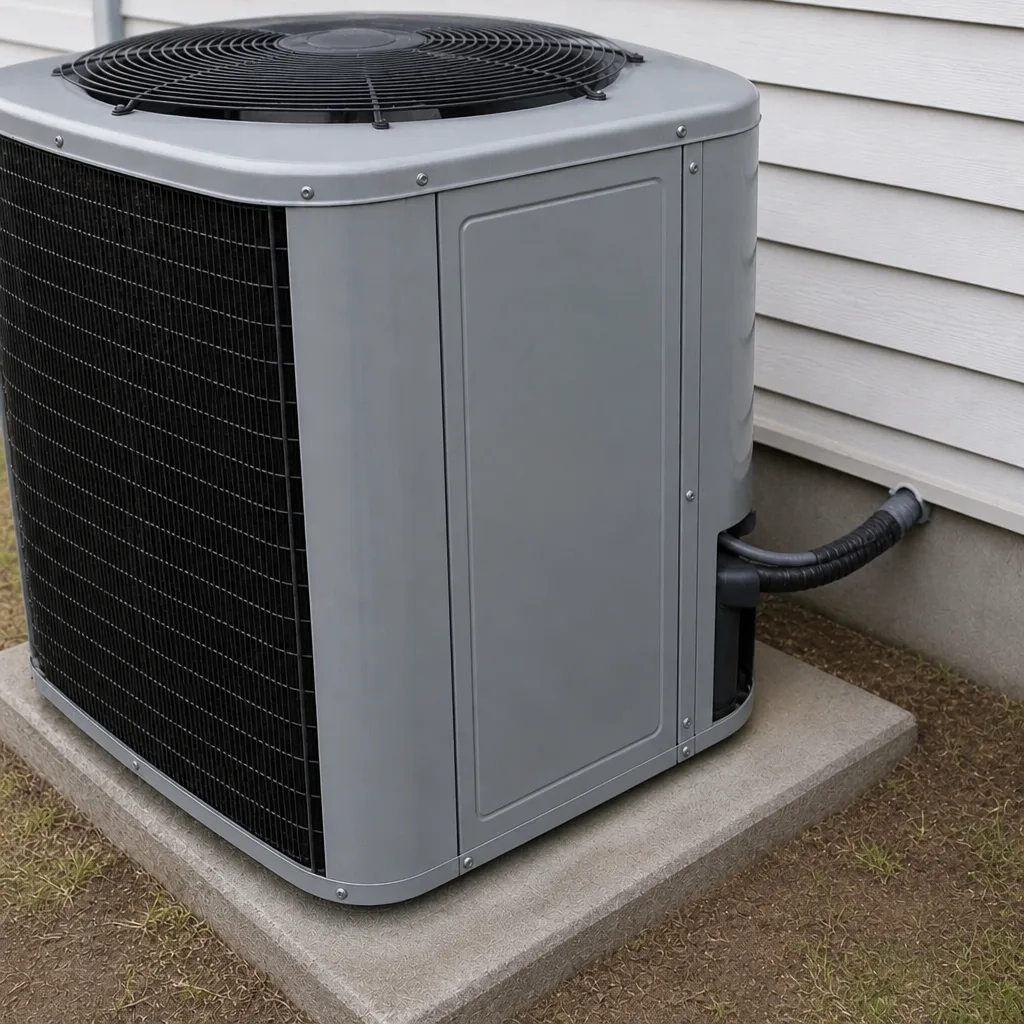
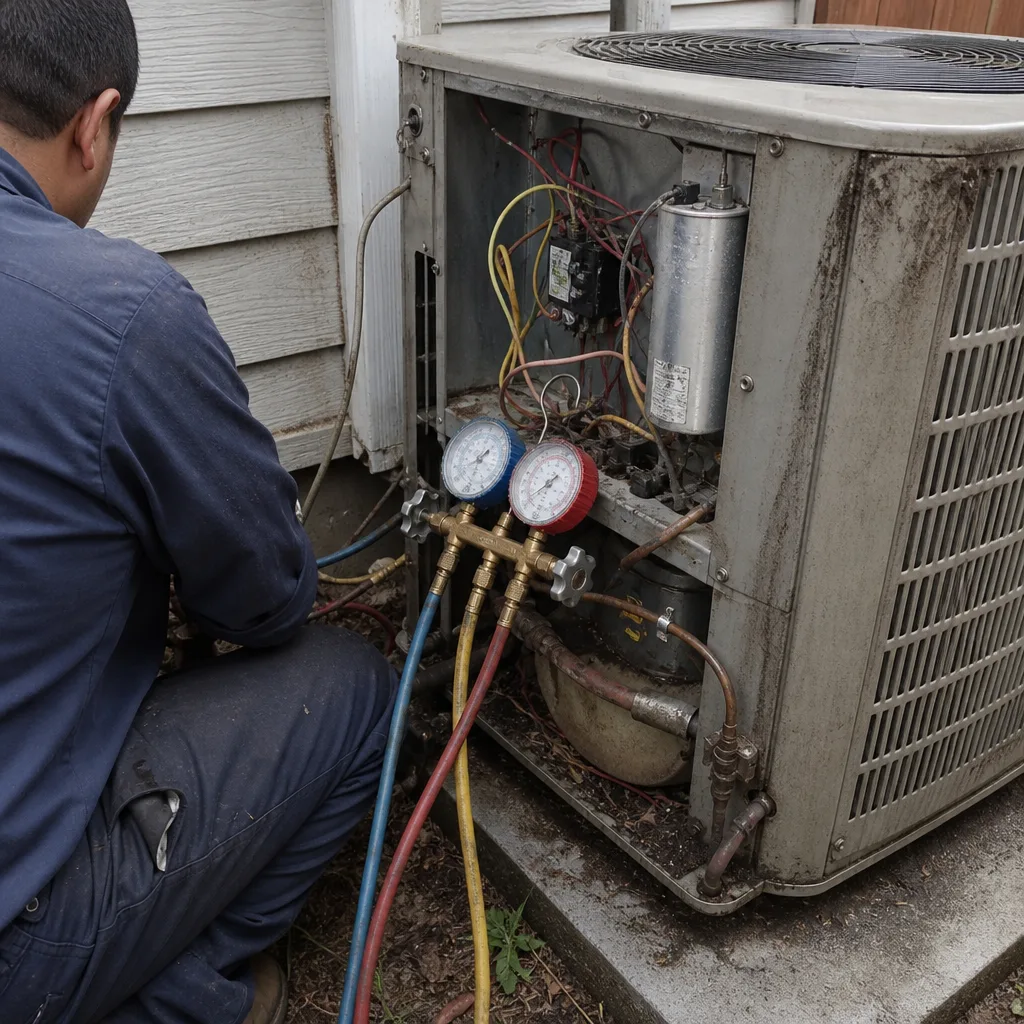
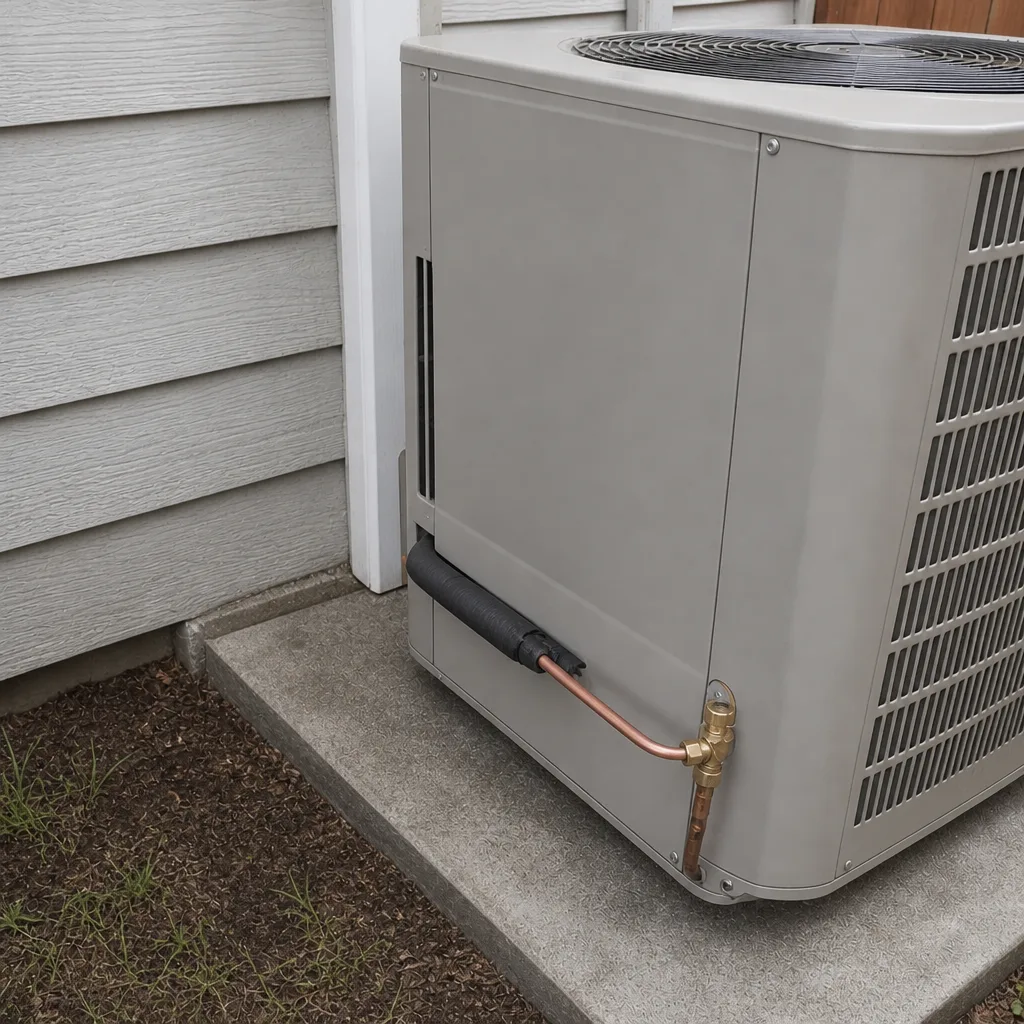
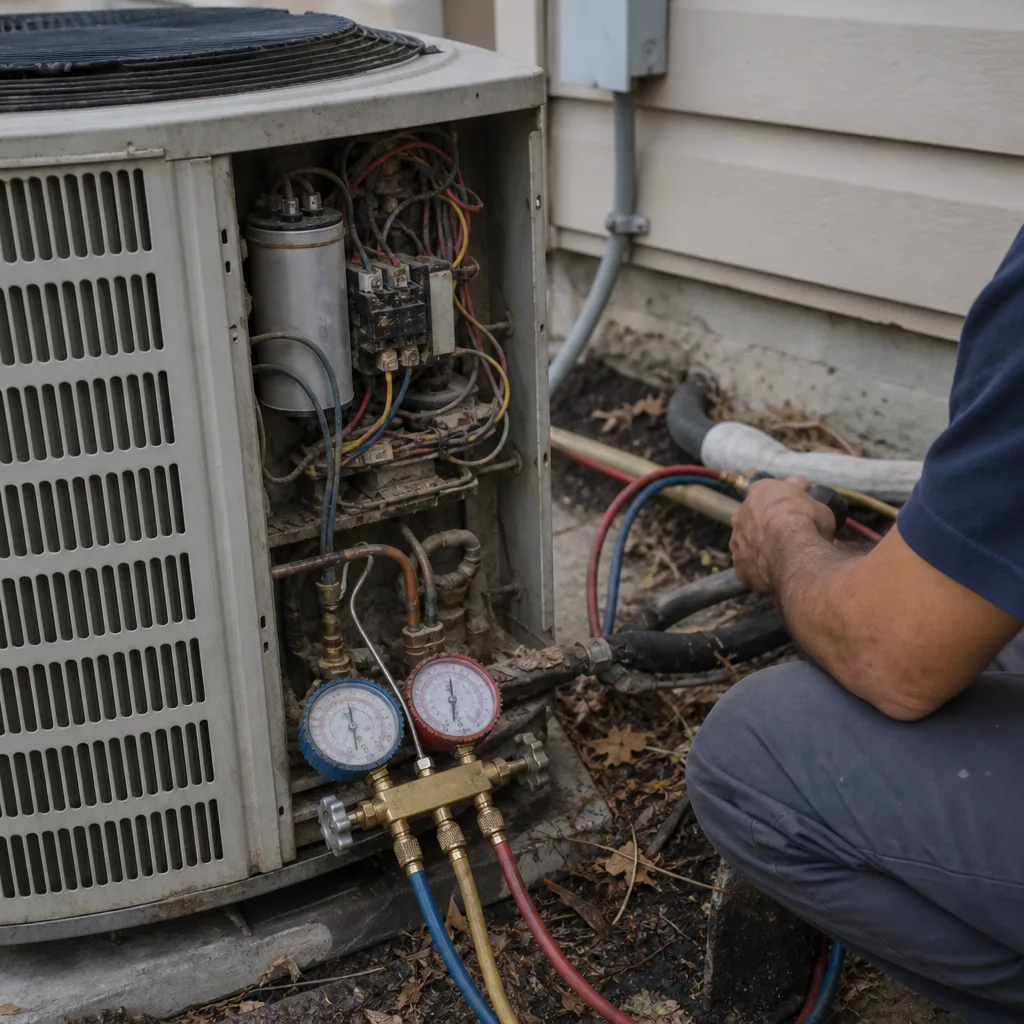
See the difference
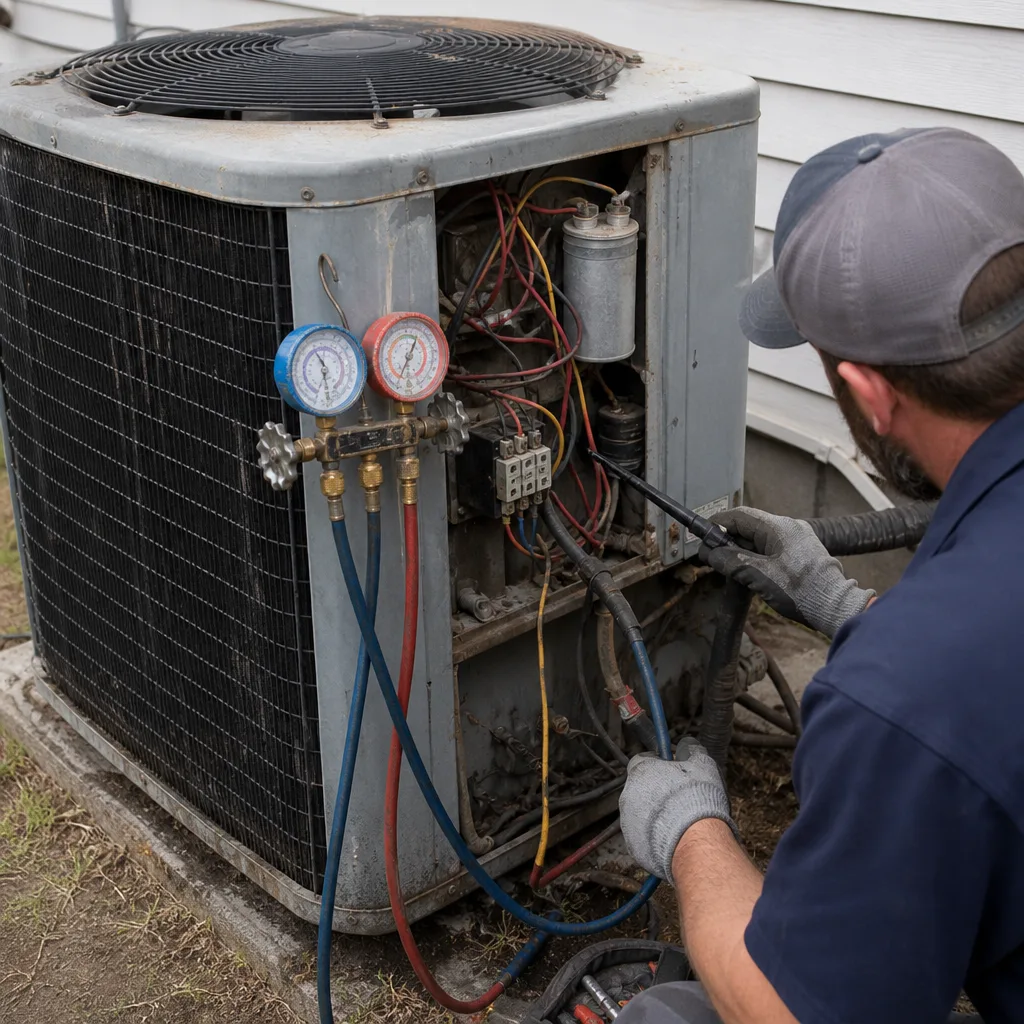 Before
 After
 Before
 After
 Before
 After