
Last updated November 15, 2026
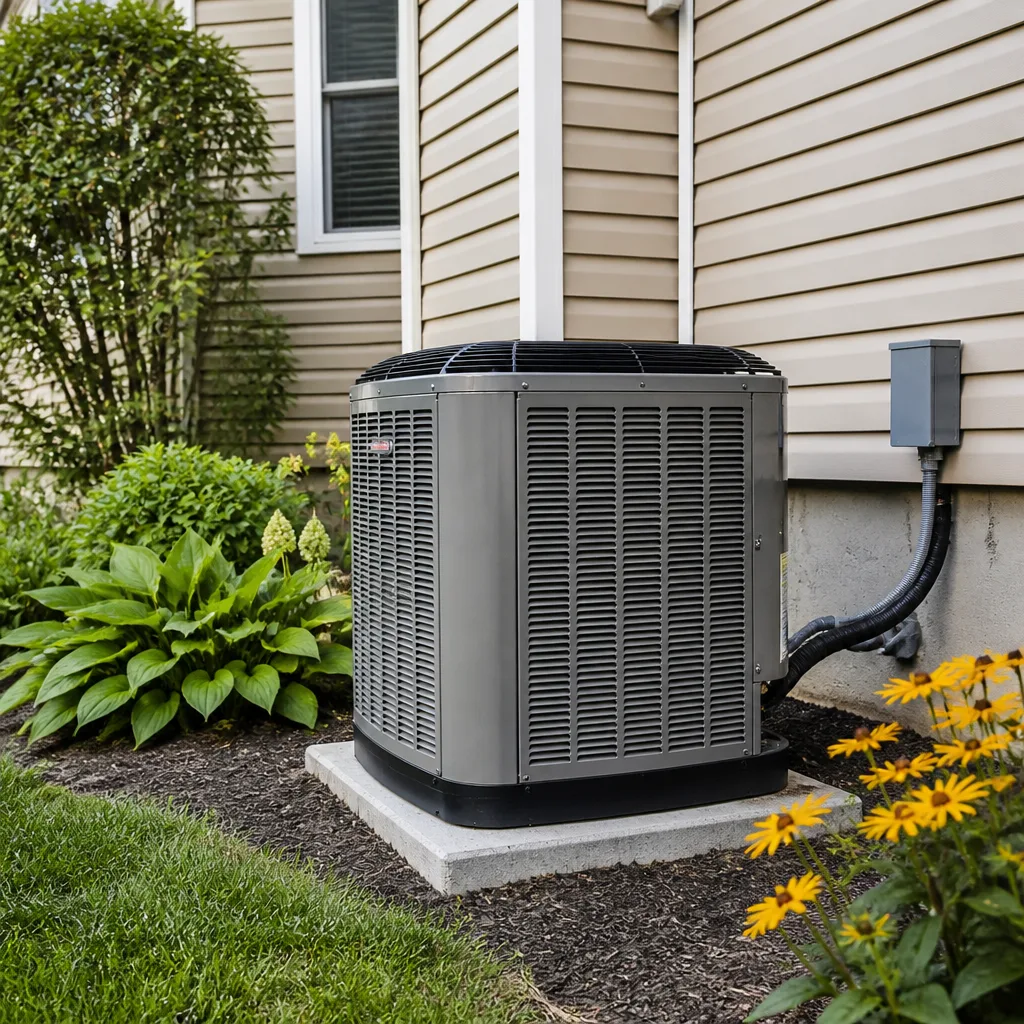 AC repair
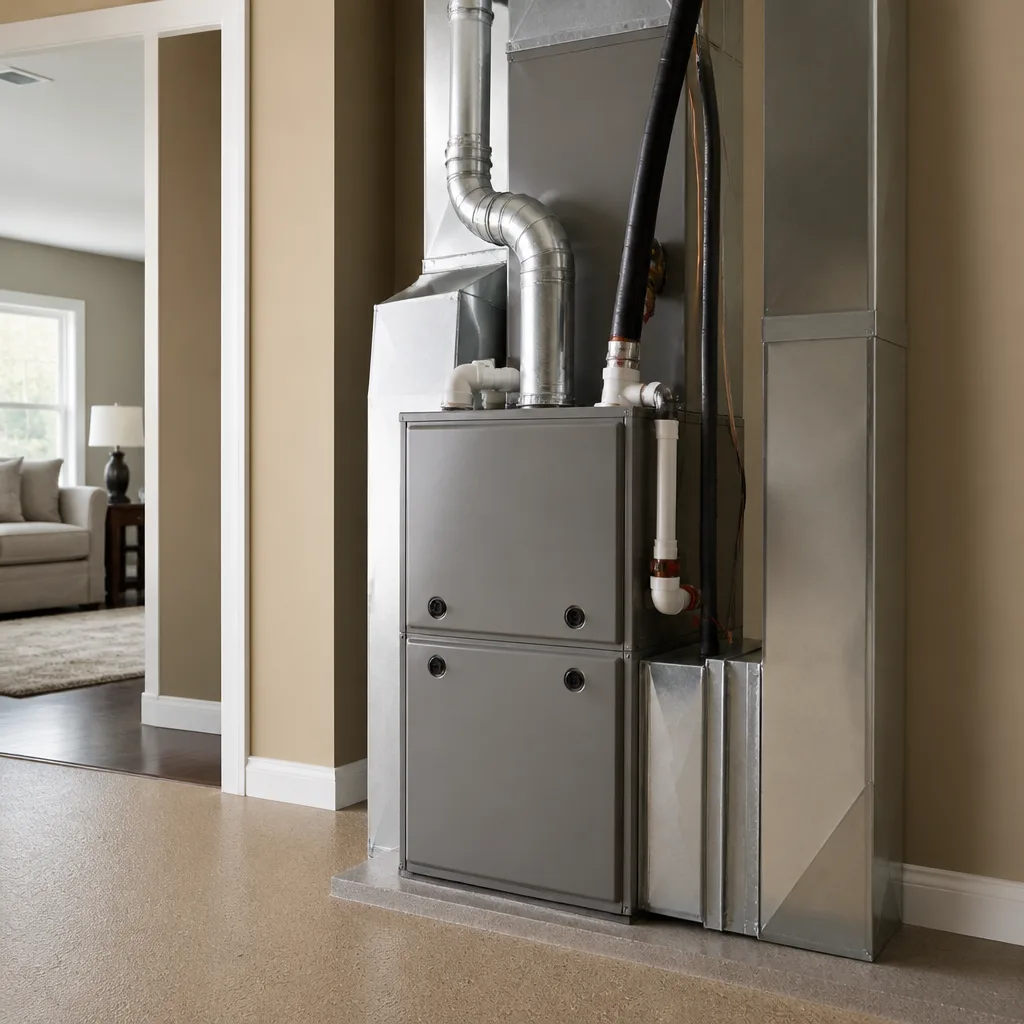 Furnace & heating
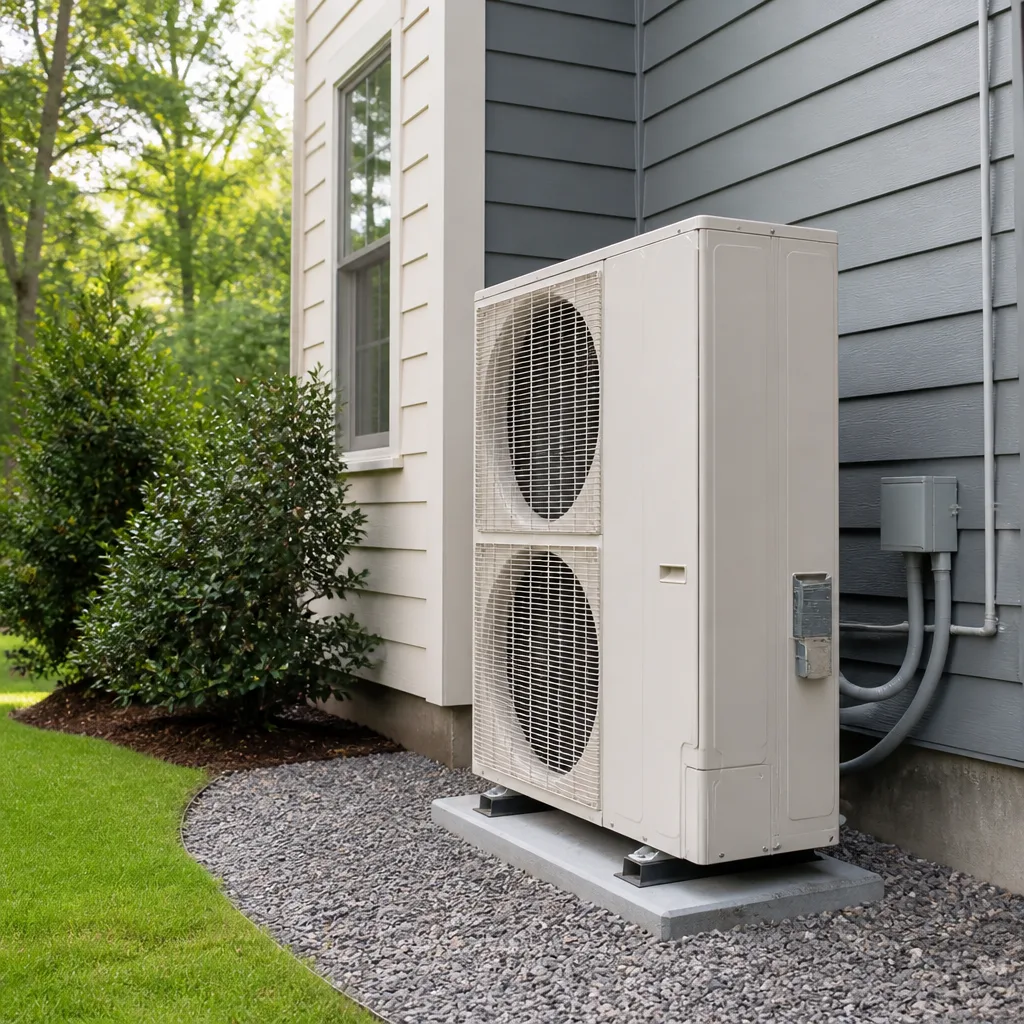 Heat pumps
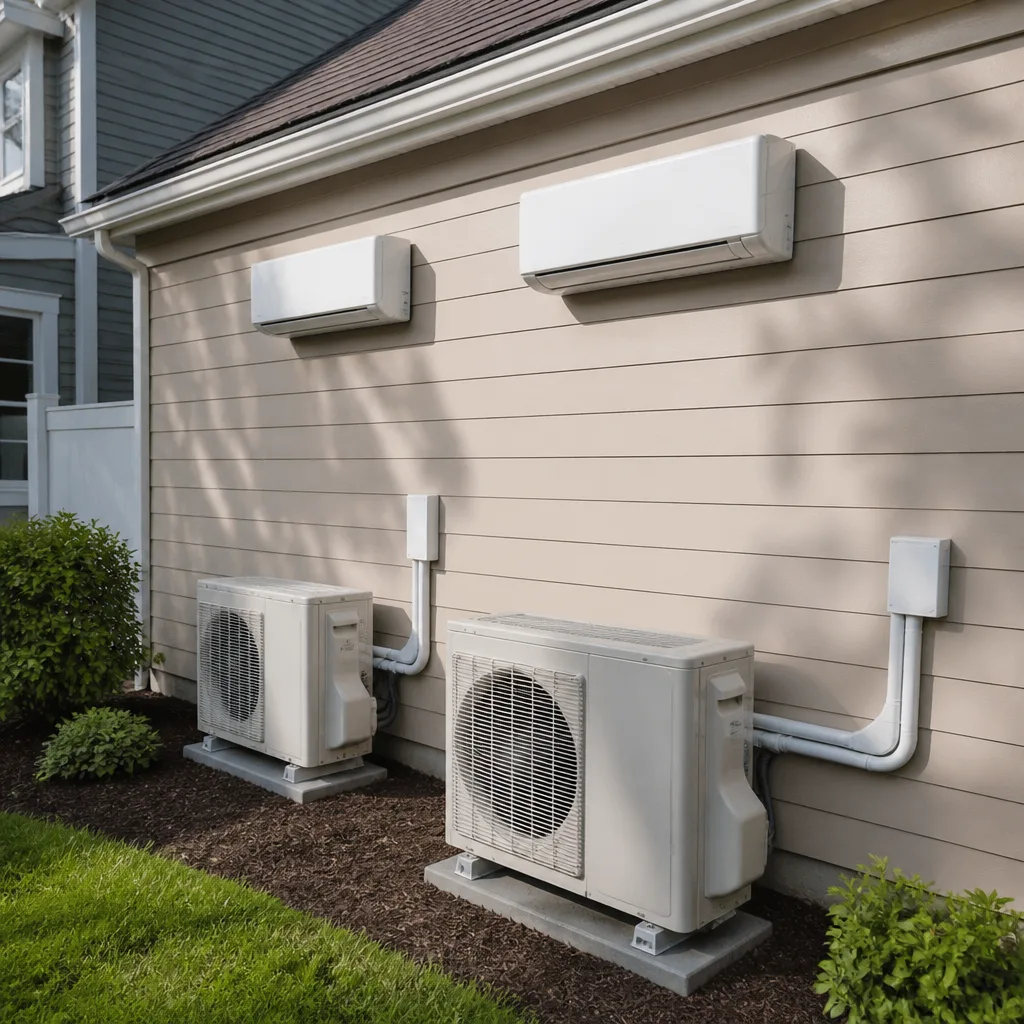 Ductless mini splits
 Carrier
 Trane
 Goodman
Seasonal tune-up and full diagnostic on your Carrier, Trane, or Goodman system - readings shown to you before any repair is proposed
Diagnosis first, numbers second - you approve the repair price before a single part goes in.
Get your free estimateHVAC Permits, Codes & Inspections in Pearland, TX: What You Need to Know
If a contractor tells you a residential HVAC replacement in Pearland “doesn’t need a permit,” that’s either a lie or proof they don’t know which jurisdiction your address falls under. Either way, it’s a reason to stop the conversation. Pearland sits across a jurisdictional boundary where city limits, the extraterritorial jurisdiction, and Brazoria County oversight all overlap, and which authority governs your permit depends on your exact parcel. This guide walks through the actual permit triggers for a split-system swap versus new construction, the inspection sequence inspectors follow, what happens to an insurance claim if the equipment was never permitted, and the documentation you should ask for under the R-410A phaseout. It’s the paperwork most homeowners never see until something goes wrong.
Quick Answer
In Pearland, a like-for-like residential HVAC replacement inside city limits generally requires a mechanical permit and at least a final inspection, while new installations and changeouts that alter load, duct sizing, or electrical service typically require rough-in and final inspections. If your address falls in unincorporated Brazoria County outside the city limits, permitting runs through the county rather than the city. Confirm your jurisdiction before any work begins, and get the permit in writing.
Styles & brands we work with
- AC repair
- Furnace & heating
- Heat pumps
- Ductless mini splits
- Carrier
- Trane
- Goodman
Table of Contents
- Which Jurisdiction Governs Your HVAC Permit in Pearland?
- What the Texas Mechanical Code Requires for Split-System Work
- The Pearland HVAC Inspection Sequence: Rough-In vs. Final
- What Happens to an Insurance Claim When a System Was Never Permitted
- The R-410A Phaseout and What Documentation to Request
- How to Verify Your Contractor Before Signing
- What Permits and Inspections Typically Cost in Pearland
- How Pearland’s Climate Shapes What Inspectors Look For
Which Jurisdiction Governs Your HVAC Permit in Pearland?
Your HVAC permit jurisdiction in Pearland depends on whether your parcel sits inside the city limits, inside the extraterritorial jurisdiction (ETJ), or in unincorporated Brazoria County. The city issues mechanical permits for property inside its corporate boundary. Land in the ETJ, which is the buffer zone just outside the city limits, falls under county oversight for building and mechanical work unless the city has extended permitting authority there. Property further out in unincorporated Brazoria County is squarely a county matter. This is the single most common point of confusion on a replacement, because two homes on the same street can be governed by different authorities.
Here’s how to look up your parcel’s jurisdiction before you commit to a contractor:
- Pull your address on the Brazoria County Appraisal District’s property search and note the legal description and any taxing entities listed. Taxing entities usually signal whether the parcel is inside the city or outside it.
- Check the City of Pearland’s online GIS or planning maps for a city limits overlay. The line for the ETJ is drawn separately from the city boundary.
- Call the City of Pearland’s permitting office and give them the street address. Ask directly: “Is this parcel inside the city limits, in the ETJ, or unincorporated?” Get the answer in writing by email if you can.
- If the city says the parcel is outside their authority, call Brazoria County and confirm they issue the mechanical permit for your address.
- Write the jurisdiction down on your contract. Any contractor who won’t put the permitting authority in writing is a red flag.
We’ve walked into Pearland homes near the Shadow Creek Ranch and Silverlake areas where the homeowner was told one thing and the county said another. The fix is simple: verify before you sign. Not after. If you’re not sure where to start, the team behind our Pearland coverage can point you to the right office, and we’ll confirm jurisdiction before we quote a job.
What the Texas Mechanical Code Requires for Split-System Work
Texas adopts the International Mechanical Code (IMC) as the state’s base mechanical standard through the Texas Department of Licensing and Regulation, and Pearland’s local code is built on the IMC with local amendments. What that means for a homeowner is that the code draws a line between a straight replacement of existing equipment and new installation or alteration of the mechanical system. A straight replacement, where the existing unit is swapped for a unit of comparable capacity in the same location with the same duct connections and the same electrical circuit, is often treated as a “changeout.” New installations, added zones, upsized equipment, or any change to the duct distribution usually fall under the full permit-plus-inspection track.
What the code actually requires on a residential split-system job, in practical terms:
- Equipment listings and ratings. The condenser, air handler, and any electric heat strips must carry an approved listing mark, and the installed combination must match an AHRI-matched system. Inspectors want the AHRI certificate, not just the model numbers on the boxes.
- Electrical connections. The circuit size, disconnect, and overcurrent protection must match the nameplate on the equipment. A swap from a smaller to a larger unit without a matching electrical adjustment is a fail.
- Condensate disposal. A primary drain with a code-compliant trap and a secondary overflow protection, either a float switch or a secondary drain line, is required. This is checked on every install.
- Combustion air and venting. For gas furnaces, the flue and combustion air openings must meet IMC sizing for the closet or attic location. A furnace installed without the correct combustion air is a serious safety issue as well as a code fail.
- Access and working clearances. The unit must be accessible for service, with the clearances the manufacturer specifies on the installation manual maintained around it.
- Seismic and structural attachment. Platforms, pads, and attic supports must meet code. An air handler hung from attic trusses without proper support is a common fail on older homes.
We work on Carrier, Daikin, and American Standard systems across Pearland, and the paperwork requirement is identical no matter which brand is on the nameplate. Brand-agnostic means the code doesn’t change because of the label. What changes is the AHRI reference, which is specific to the equipment match.
The Pearland HVAC Inspection Sequence: Rough-In vs. Final
Most residential HVAC replacements in Pearland require at least a final inspection, and any job involving new ducts, a relocated unit, or a change to the electrical circuit usually requires a rough-in inspection before the system is closed up. Understanding the two stages tells you what an inspector is actually looking for and helps you spot a job where the rough-in was skipped. For a full AC installation, expect both.
The inspection sequence homeowners should verify with their contractor:
- Permit issued. The permit should be posted or available on the property, and the permit number should match your address, not just your street.
- Rough-in inspection. Conducted after the mechanical work is in place but before walls, ceilings, or the equipment closet are closed up. The inspector looks at the duct layout, equipment location, condensate routing, combustion air and venting, and the electrical rough-in. This is where an undersized return trunk or an unvented condensate is caught.
- Equipment set and connected. The condenser and air handler are set, the line set is brazed and pressure-tested, the electrical connections are terminated, and the system is charged with refrigerant. The inspecting authority does not verify refrigerant charge, but a good contractor does and logs it.
- Final inspection. Conducted after the equipment is running. The inspector verifies equipment listings and match, electrical disconnect and overcurrent protection, condensate overflow protection, working clearances, labeling of the equipment and gas shutoff, and confirmation the work matches the permit scope.
- Inspection card or online record updated. Ask for the inspection record. In Pearland the inspection result is logged with the permitting authority, and you should have it in your file.
What inspectors specifically look at on rough-in versus final:
- Rough-in: duct sizing and routing, equipment platform attachment, combustion air openings, venting terminations, condensate trap geometry, electrical wiring methods, penetrations sealed at the envelope.
- Final: equipment listing and AHRI match, disconnect location and amp rating, gas shutoff accessibility, float switch function, label plate readability, the system actually running under load, and a clean filter in place.
We’ve seen jobs in Pearland where the rough-in was never called and the walls went up anyway. That’s a fail on paper and a headache at sale. If you’re mid-project and not sure what’s been logged, call us and we’ll help you check the record before the appraiser or buyer does.
What Happens to an Insurance Claim When a System Was Never Permitted
If a Pearland HVAC system was installed without a required permit and later causes property damage, your homeowner’s insurance carrier may deny or reduce the claim on the basis that the work was not code-compliant. Insurers don’t automatically deny, but unpermitted work gives the adjuster a legitimate reason to question the installation and, depending on the policy language, to exclude the resulting damage. The most common exposures are a condensate overflow that ruins a ceiling, an electrical fault from an incorrectly sized circuit, and a gas furnace leak tied to improperly vented combustion air. In each case, the first question the adjuster asks is: was this permitted and inspected?
What the paper trail should look like after a proper installation:
- The permit record, with the jurisdiction named (City of Pearland, Brazoria County, or the relevant authority).
- The inspection card or online record showing pass on each required stage.
- The AHRI certificate matching the installed condenser and air handler.
- The manufacturer’s installation manual for both pieces of equipment, kept on file.
- The contractor’s invoice that names the equipment, the refrigerant type, and the scope.
If you’re buying a Pearland home and can’t find any of these, ask the seller to produce them or to request the permit history from the city. A quick call to the permitting desk tells you whether the record exists. We work on Bryant and Daikin equipment often enough to know that when the paperwork is right, the claim process moves faster and the buyer’s inspection stops dragging. If you’ve inherited a system with no record, call us and we can help you sort out what’s been done and what still needs a permit. For a system that’s already failing, our AC repair page covers what we handle on the repair side.
The R-410A Phaseout and What Documentation to Request
The R-410A refrigerant used in most residential systems installed over the past two decades is being phased down under the EPA’s hydrofluorocarbon rules, and transitional refrigerants, including R-454B blends, are entering the market in new equipment. For a Pearland homeowner, this affects two practical things: what refrigerant your new system will use, and what documentation you should keep in your file so the equipment remains serviceable and insurable. Equipment that runs R-410A is not banned and remains serviceable, but the supply of R-410A is tightening and its price is moving. Every permit application and equipment match should name the refrigerant the equipment is charged with.
Documents to request when buying transitional equipment:
- The equipment specification sheet showing the refrigerant type (R-410A, R-454B, or other) and the factory charge weight.
- The AHRI certificate for the exact condenser-and-air-handler match, plus the furnace if the system is a gas package.
- The refrigerant handling disclosure naming what your system uses and how a future service technician should recharge it.
- Any leak-detection or combustible-refrigerant safety notices required for the equipment installed. These requirements differ between R-410A and newer blends, and the installation manual states what applies.
- The permit and inspection record from the authority that governs your address, with the equipment model numbers logged on it.
We work on Carrier and American Standard residential systems regularly, and the refrigerant question is one of the first things we check before we recommend a repair versus a replacement. When the equipment is transitional, the paperwork matters more, not less. If you’re shopping a new system and don’t want to be steered, we’ll walk you through the refrigerant choice and what it means for the next decade of service. Call (833) 946-7622 for a free estimate.
How to Verify Your Contractor Before Signing
A Pearland homeowner should verify three things before signing an HVAC contract: the contractor’s TDLR license, the insurance certificate, and the permit application. Texas requires HVAC contractors to hold a license through the Texas Department of Licensing and Regulation and to carry general liability insurance. Those are separate from the permit itself, but all three should line up before work starts. If any of the three is missing or vague, slow down. The thing that separates an experienced contractor from a hasty one is not the equipment they sell; it’s the paperwork they’ll file.
The checklist:
- License check. Ask for the TDLR license number and look it up yourself. A contractor who won’t provide it isn’t licensed.
- Insurance certificate. Ask for a certificate of insurance naming general liability coverage. A contractors’ policy specifically covering HVAC work is what you want to see.
- Permit application. Ask who pulls the permit and in whose name. It should be the contractor, not the homeowner.
- Written scope. The proposal should name the equipment (model and capacity), the refrigerant, the scope of work, and whether a rough-in inspection is included.
- Written estimate, not verbal. Get the price in the estimate, in writing. The written estimate sets the final price.
Our technicians have up to 8 years of experience with residential equipment, and they work on the system in the home, not a preferred brand. We’re licensed and insured, and we’ll give you a written scope and permit plan before we touch the system. Nine brands. One call. That’s the whole idea.
What Permits and Inspections Typically Cost in Pearland
Permit fees for a residential HVAC replacement in Pearland are set by the permitting jurisdiction and are typically modest compared to the equipment cost. A mechanical permit for a straight residential changeout usually runs in the low hundreds of dollars, and inspection fees are usually included in the permit. The bigger variable is the scope of the job: a system replacement with new ductwork or a relocated air handler triggers a larger permit and more inspection stages, which moves the total. Final inspection fees vary by authority, and Brazoria County’s schedule is different from the city’s. Always confirm the current schedule with the permitting office for your specific address.
A typical estimated range for Pearland residential HVAC work, with permit fees separated out:
| Item | Typical Estimated Range |
|---|---|
| Mechanical permit, straight residential changeout | Low hundreds of dollars (varies by jurisdiction) |
| New installation permit with duct scope | Higher than a changeout; confirm with the permitting office |
| Final inspection (when charged separately) | Set by the permitting authority |
| Full residential system replacement (equipment plus labor, permit excluded) | Varies by tonnage, efficiency, and duct condition; estimated by written quote |
| Repair work (e.g., compressor, blower motor, capacitor) | Quoted per job on the written estimate |
We don’t publish a service-call fee, a trip charge, or a diagnostic fee, because the price we quote is per job from the written estimate. Estimates are free. Call (833) 946-7622 and we’ll put the scope and the permit plan in front of you before any work is scheduled.
How Pearland’s Climate Shapes What Inspectors Look For
Pearland summers push a residential system hard, and the code requirements that inspectors enforce are shaped by the reality that the system runs nearly year-round with only a short heating season. Peak demand lands in July and August, when a failed system puts a household in a genuine health risk. That’s when a code-compliant install pays for itself: the electrical circuit is right for the load, the refrigerant charge is verified at install, the condensate is trapped and protected, and the return air is sized for the equipment. A shortcut in any of these shows up as a premature compressor failure or a ceiling stain, both of which trace back to the install record. Inspectors in Pearland know this, and the final inspection is where the installed system is verified against the permit scope, not just the label.
The heating season here is mild. Our furnace repair work in Pearland focuses on the gas furnace, the ignition and safety controls, and the combustion air path, because the furnace often sits idle for months and then gets called on in a cold snap. An inspection that verifies the venting and combustion air at install is the reason that first cold morning doesn’t produce a carbon monoxide scare. If your system is due for a permit-level check, or a service check without any work, our AC repair team handles both.
Common Mistakes to Avoid
- Trusting a verbal “no permit needed.” Ask the contractor to put that in writing, then call the City of Pearland or Brazoria County and ask them directly. If the answers don’t match, walk away.
- Skipping the jurisdiction lookup. Two homes on the same Pearland street can fall under different permitting authorities. Pull your parcel on the appraisal district site and confirm which office governs the address.
- Letting the contractor put the permit in your name. The permit should be pulled in the contractor’s name so the responsibility is on them, not you. A contractor who wants you to file it is signaling they don’t carry the insurance or the license required.
- Buying transitional equipment without the paperwork. R-410A and R-454B charge and handling requirements differ. Get the spec sheet, the AHRI certificate, and the refrigerant disclosure in your file before the install is closed.
- Skipping the rough-in inspection on a new installation. If the walls close up before the rough-in pass, you’re looking at a costly correction. Confirm the stage was called and passed.
- Assuming the homeowner’s insurance will cover an unpermitted failure. It may not. An unpermitted install gives the adjuster a legitimate basis to question the claim. The permit and inspection record is your protection.
- Taking a verbal price and no written scope. The written estimate sets the final price. No written scope means no accountability when a stage is skipped.
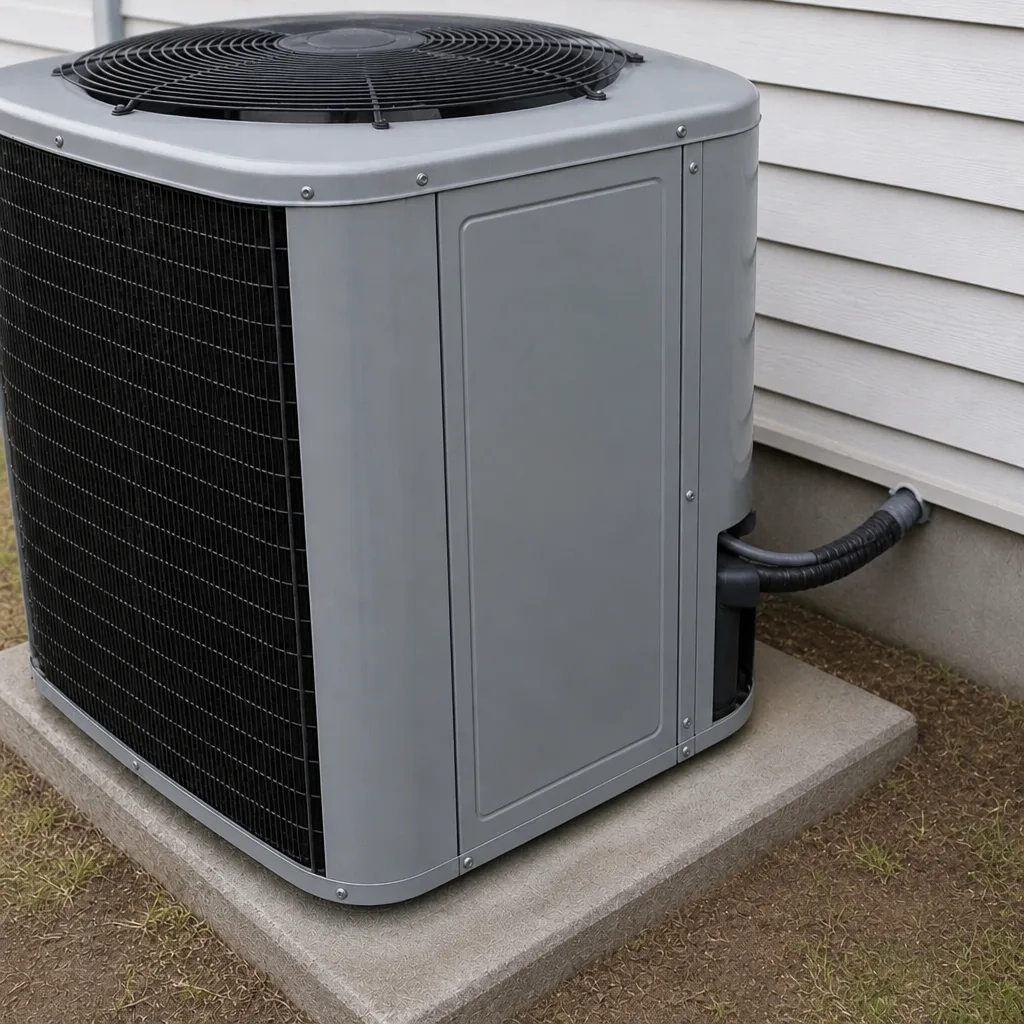
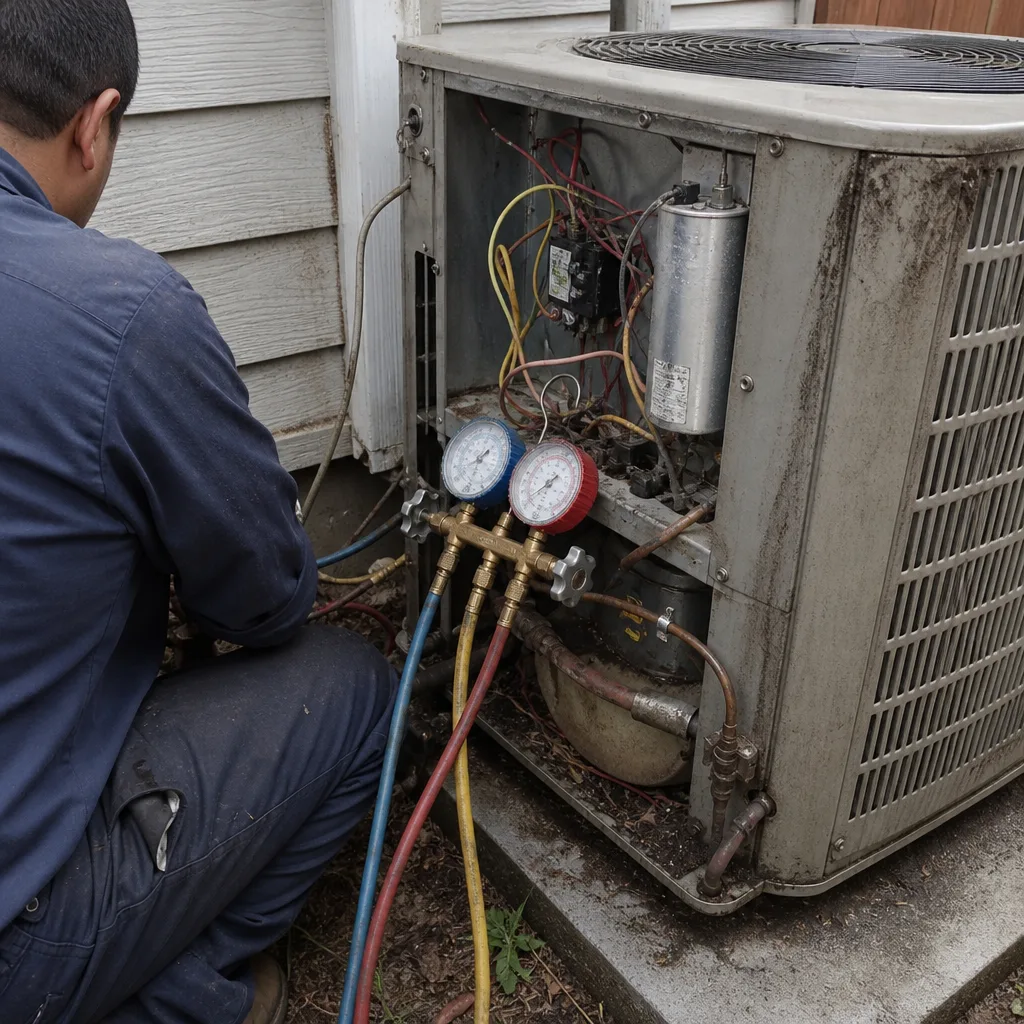
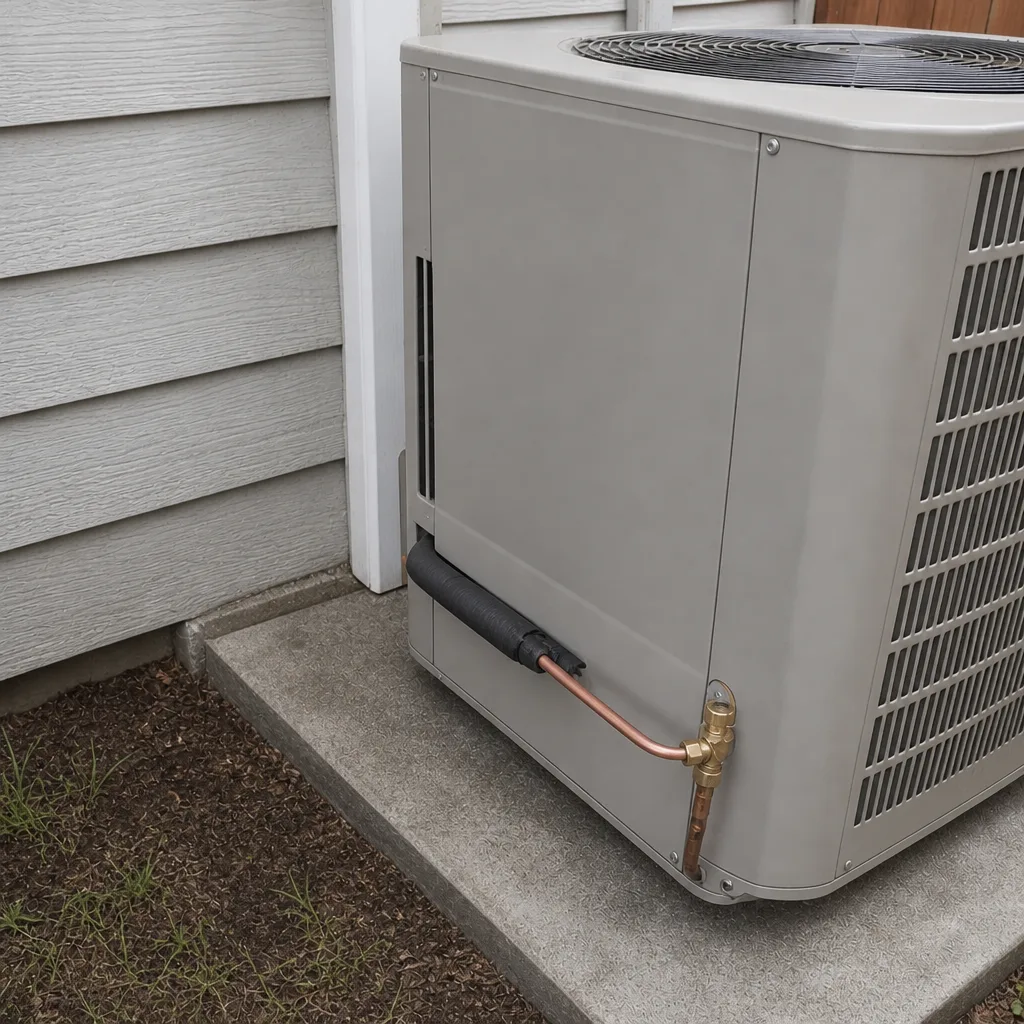
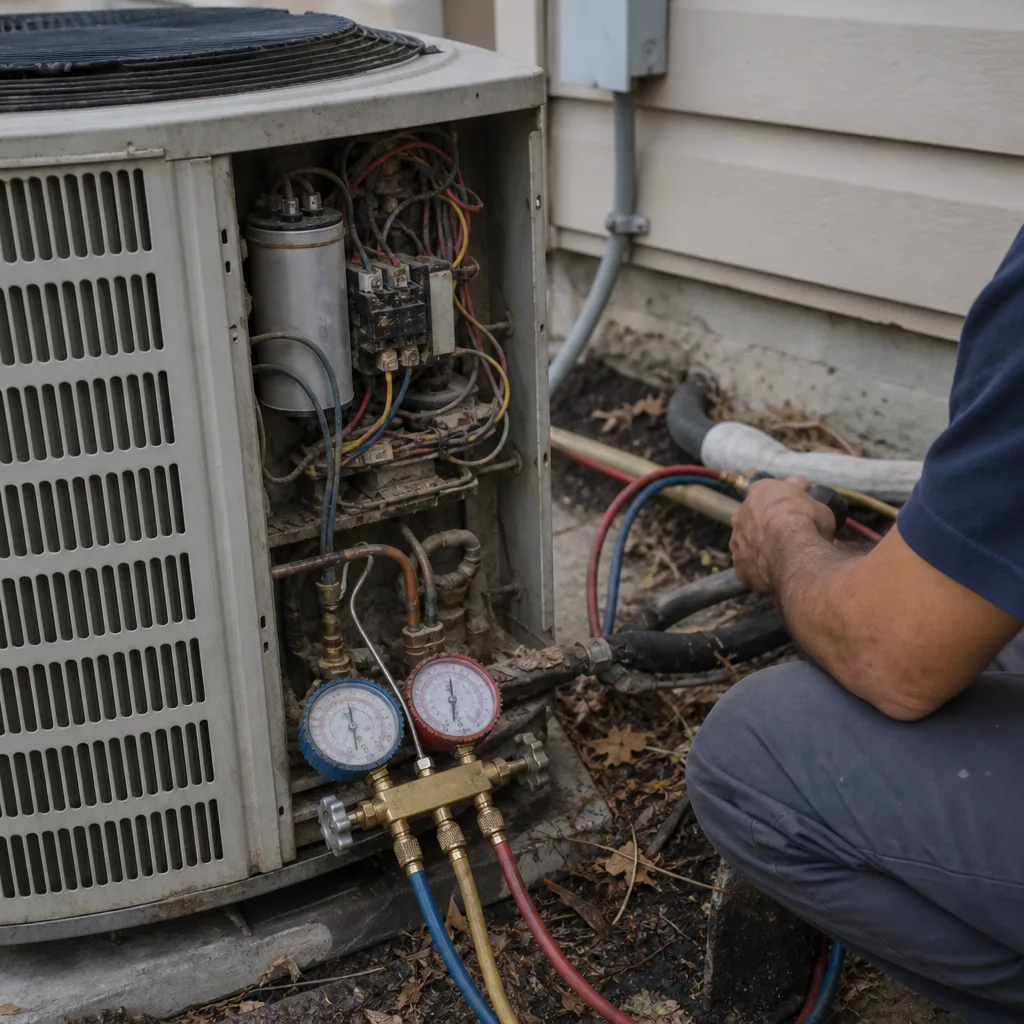
See the difference
 Before
 After
 Before
 After
 Before
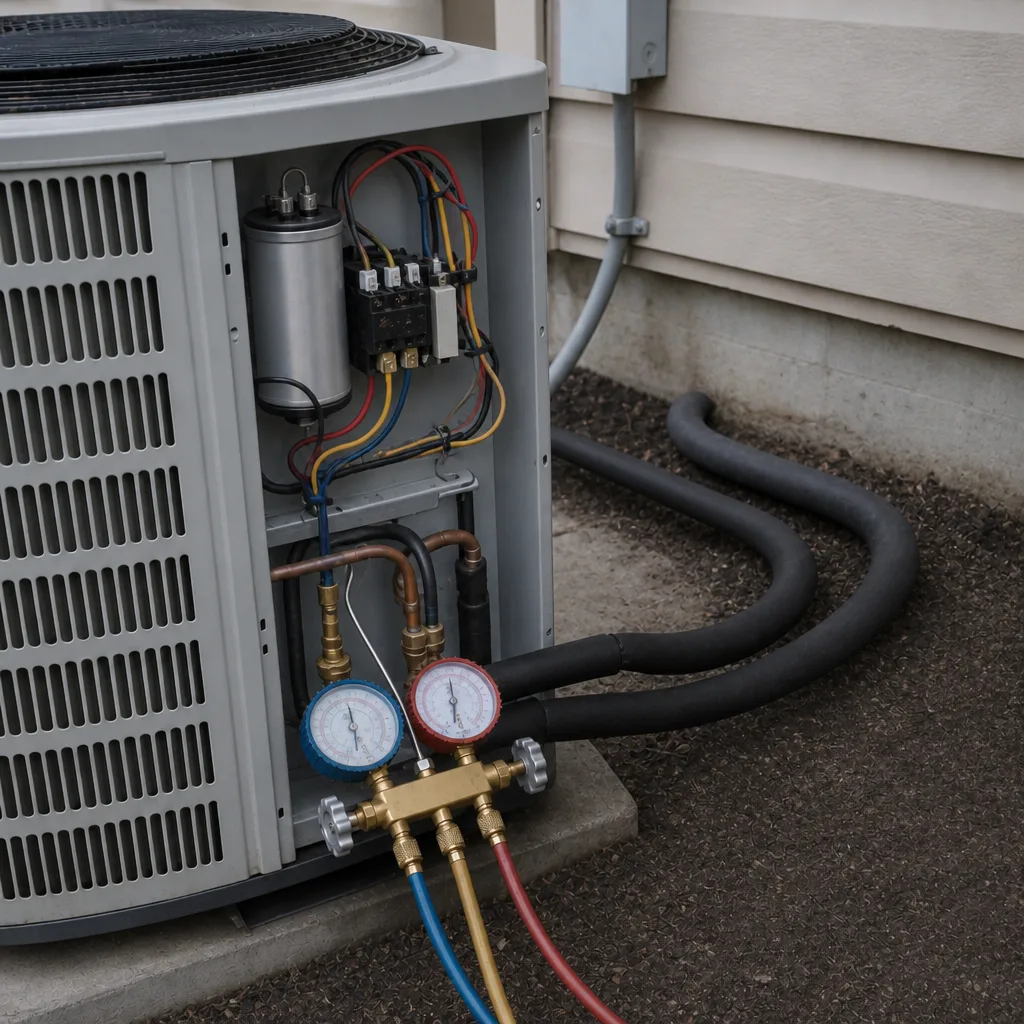 After
When to Call a Professional
A few scenarios warrant a call rather than a YouTube tutorial: a system that’s not cooling in August, a gas furnace that won’t fire, a condensate line overflowing into the ceiling, an electrical smell or tripped breaker at the air handler, or any installation where you can’t verify the permit and inspection record. High-voltage electrical work and gas furnace combustion have real safety consequences; a trained technician should handle both. If you’re buying or selling a Pearland home and the HVAC paperwork is missing, call before the inspection deadline. If your system is on a transitional refrigerant and you’re not sure what’s in it, call before a service tech shows up with the wrong charge. AC Repair Pearland offers free estimates in Pearland – call (833) 946-7622. We answer 24/7, with fast dispatch from 7am to 7pm, Sunday through Friday.
Frequently Asked Questions
Yes, in most cases a residential HVAC replacement in Pearland requires a mechanical permit and at least a final inspection. Straight changeouts inside the City of Pearland generally need a permit, and any job that changes equipment capacity, ductwork, or the electrical circuit usually needs rough-in and final inspections. Properties in unincorporated Brazoria County are permitted through the county. Call (833) 946-7622 for an exact quote and a permit plan for your address – estimates are free.
Pull your parcel on the Brazoria County Appraisal District website, note the taxing entities listed, then call the City of Pearland permitting office and give them your street address. Ask directly: “Inside city limits, in the ETJ, or unincorporated?” Get the answer in email. If the city says the parcel is outside their authority, call Brazoria County and confirm they issue the mechanical permit. Call (833) 946-7622 and we’ll help you check before you sign a contract – estimates are free.
A rough-in inspection on a Pearland HVAC install covers the duct layout and sizing, equipment platform attachment, condensate trap and overflow protection, combustion air openings and venting for gas furnaces, the electrical rough-in, and penetrations sealed at the building envelope. It’s conducted before walls or ceilings are closed up. Skipping the rough-in is a common fail when walls go up early. Call (833) 946-7622 to get the permit sequence right before work starts – estimates are free.
Your insurance carrier may deny or reduce a claim if your HVAC was installed without a required permit and the work later causes property damage, because unpermitted work gives the adjuster a legitimate basis to question the install. It isn’t automatic, but it’s a real exposure. The fix is the paper trail: permit record, inspection card, and AHRI certificate on file. Call (833) 946-7622 for a free estimate and we’ll help you sort out what’s on file for your system.
Ask for the equipment specification sheet naming the refrigerant type, the AHRI certificate for the exact equipment match, the refrigerant handling disclosure, any leak-detection or combustible-refrigerant notices required for the equipment, and the permit and inspection record with model numbers logged. R-410A remains serviceable, but transitional refrigerants like R-454B are entering the market, and the documentation is what keeps the system serviceable and insurable. Call (833) 946-7622 for a free estimate on any equipment quote.
First, confirm what’s actually been done and whether a permit record exists. If the install was unpermitted, a repair-first evaluation tells you whether the existing equipment is safe and code-compliant before you spend money on it. Our technicians have up to 8 years of experience and work on the system in your home, not a preferred brand. We’ll tell you which route (repair or replace) actually makes financial sense. Call (833) 946-7622 for a free estimate in Pearland.
The Bottom Line
Pearland’s HVAC permit question isn’t answered by the internet or by a contractor’s confidence. It’s answered by your parcel’s jurisdiction, your scope of work, and the equipment you’re installing. Verify the authority, get the permit in the contractor’s name, log the inspection stages, and keep the AHRI certificate and refrigerant documentation in your file. The paperwork is the difference between a claim that gets paid and one that doesn’t. If you need the work done and the permit sequence handled correctly, we’re the team to call. Our technicians have up to 8 years of experience, we work on Carrier, Daikin, Bryant, and the other major residential brands, and we’ll give you a written scope before we schedule anything.
Call (833) 946-7622 for a free estimate. We answer 24/7. Fast dispatch from 7am to 7pm, Sunday through Friday.
Written by the team at AC Repair Pearland.