
Last updated November 15, 2026
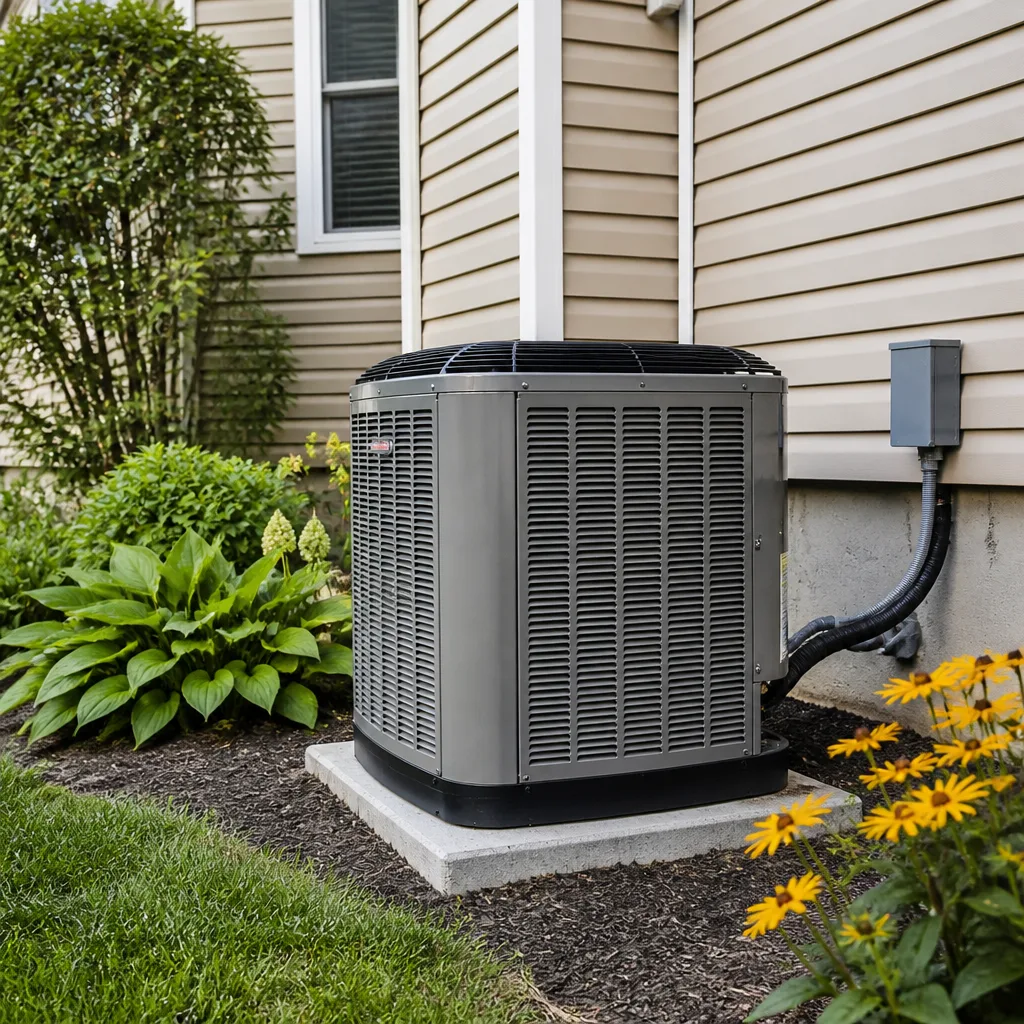 AC repair
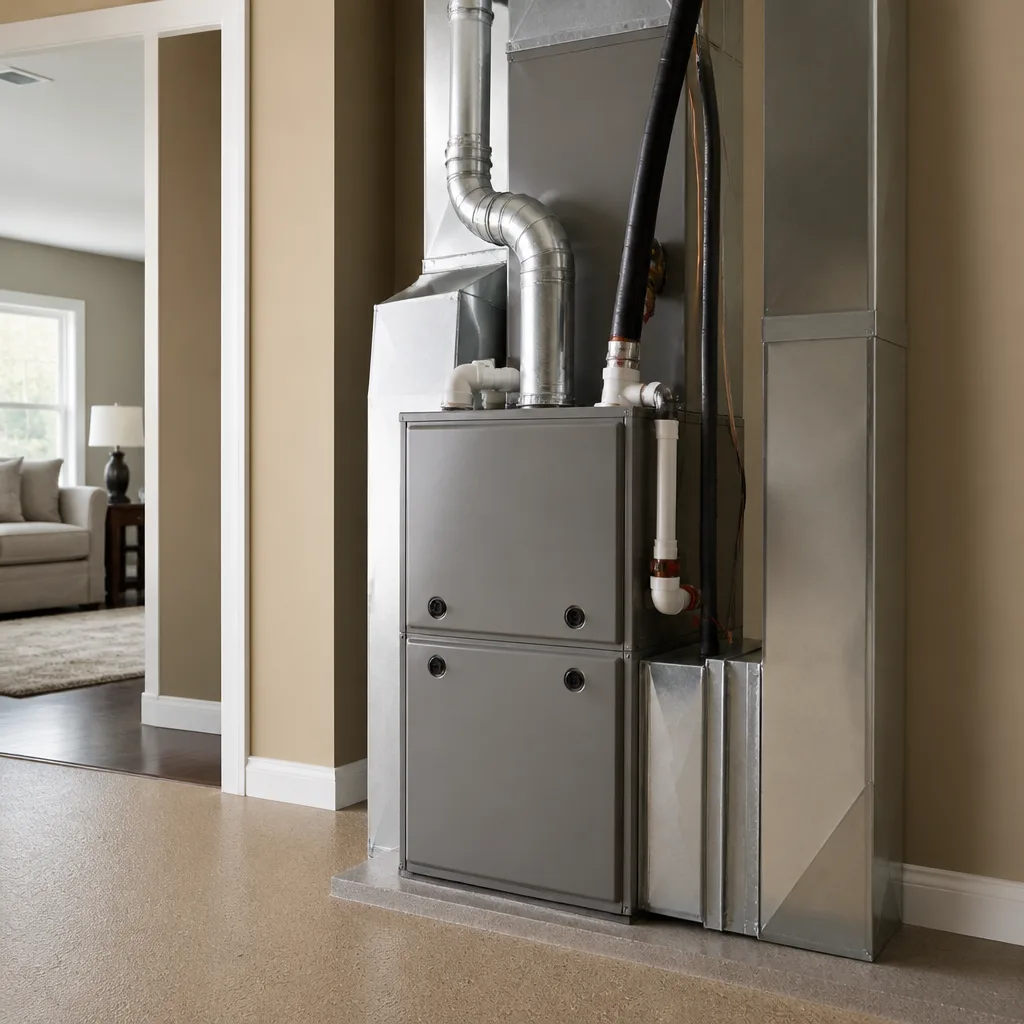 Furnace & heating
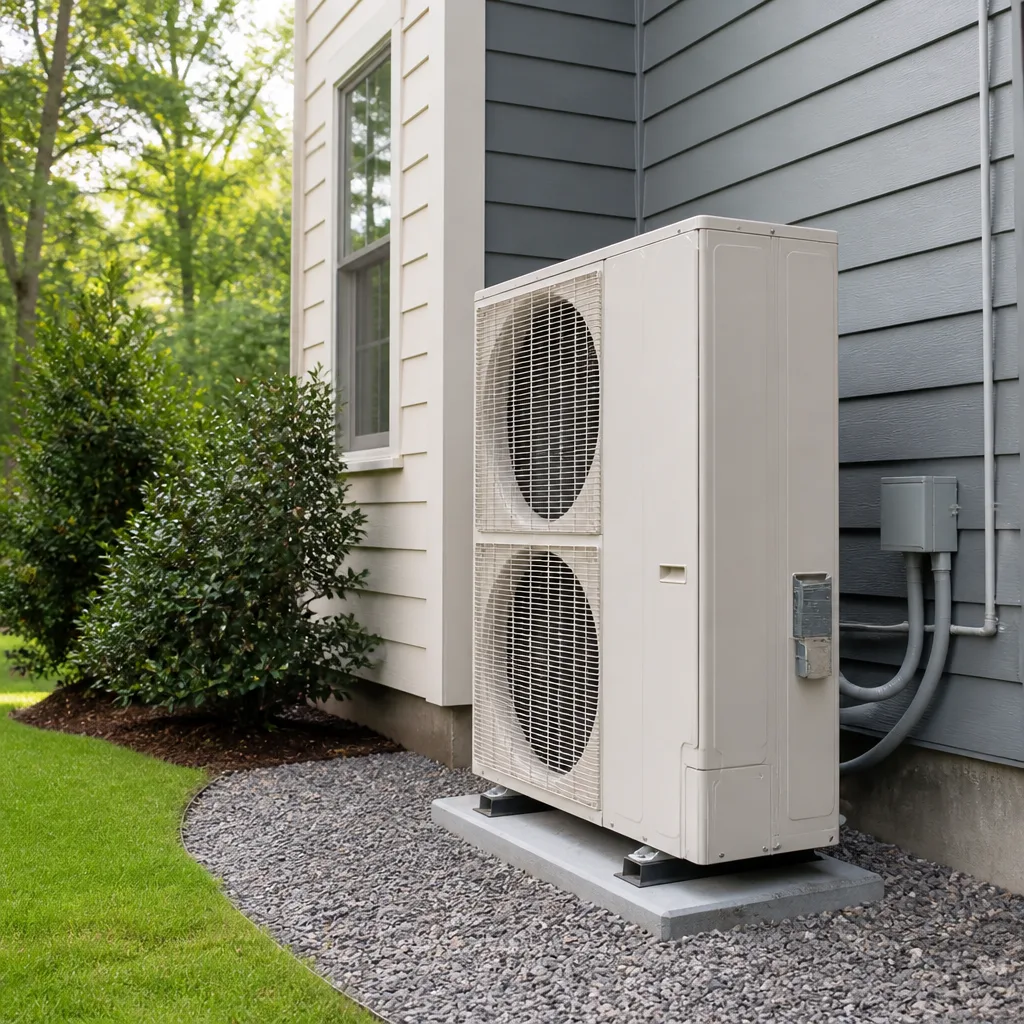 Heat pumps
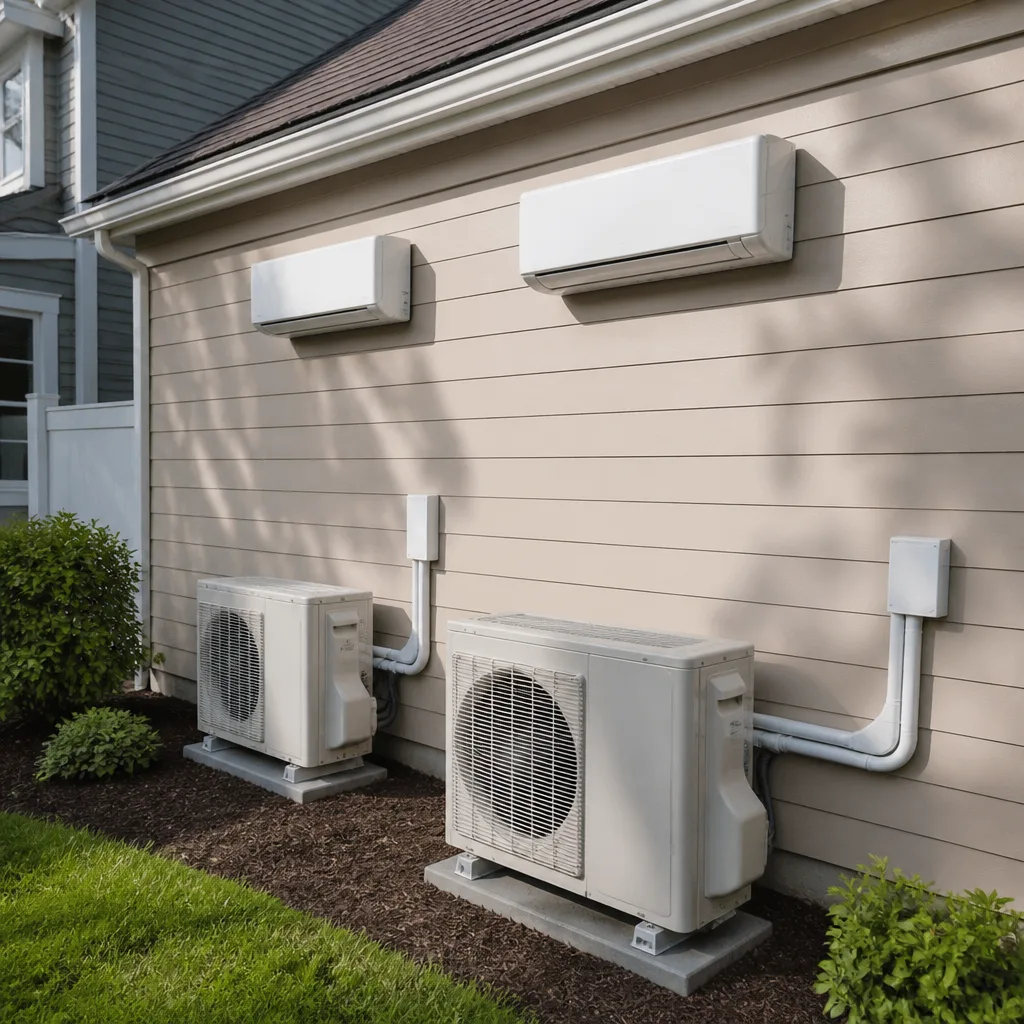 Ductless mini splits
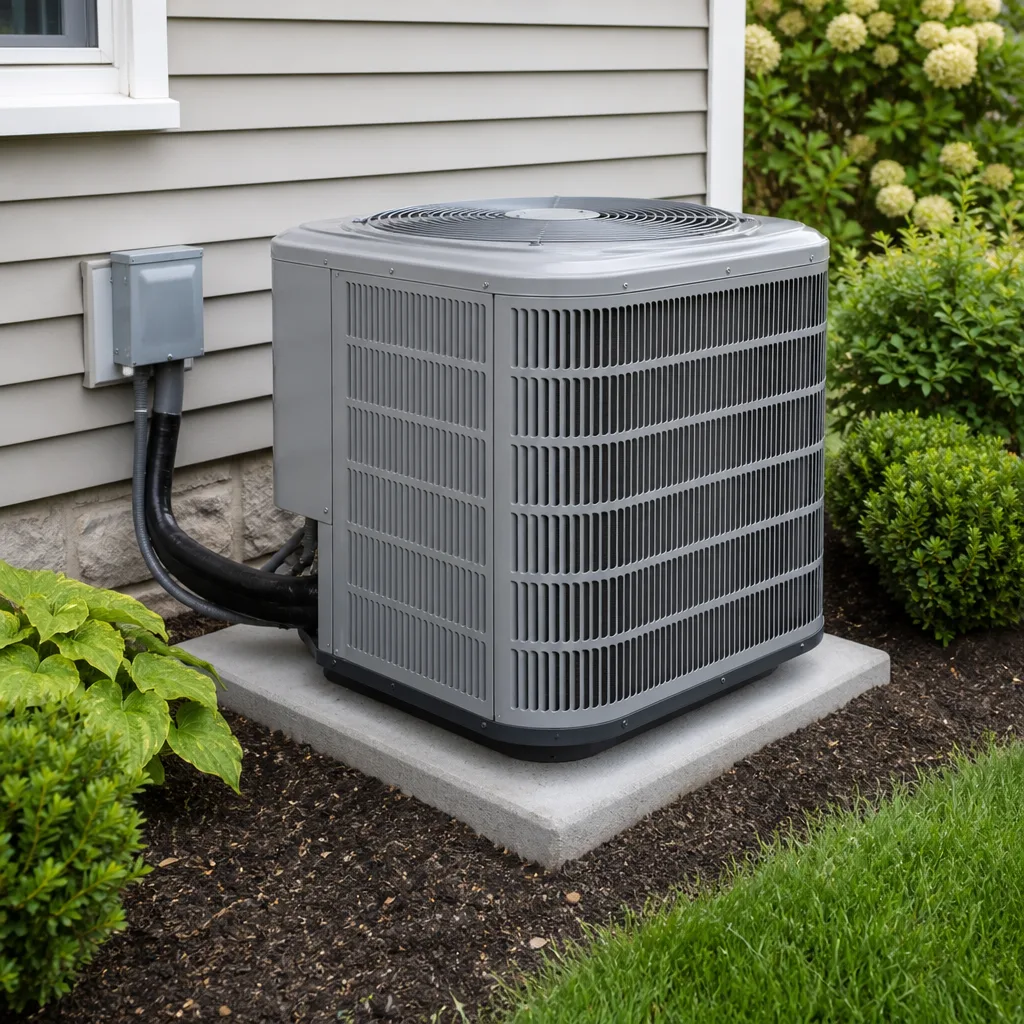 Carrier
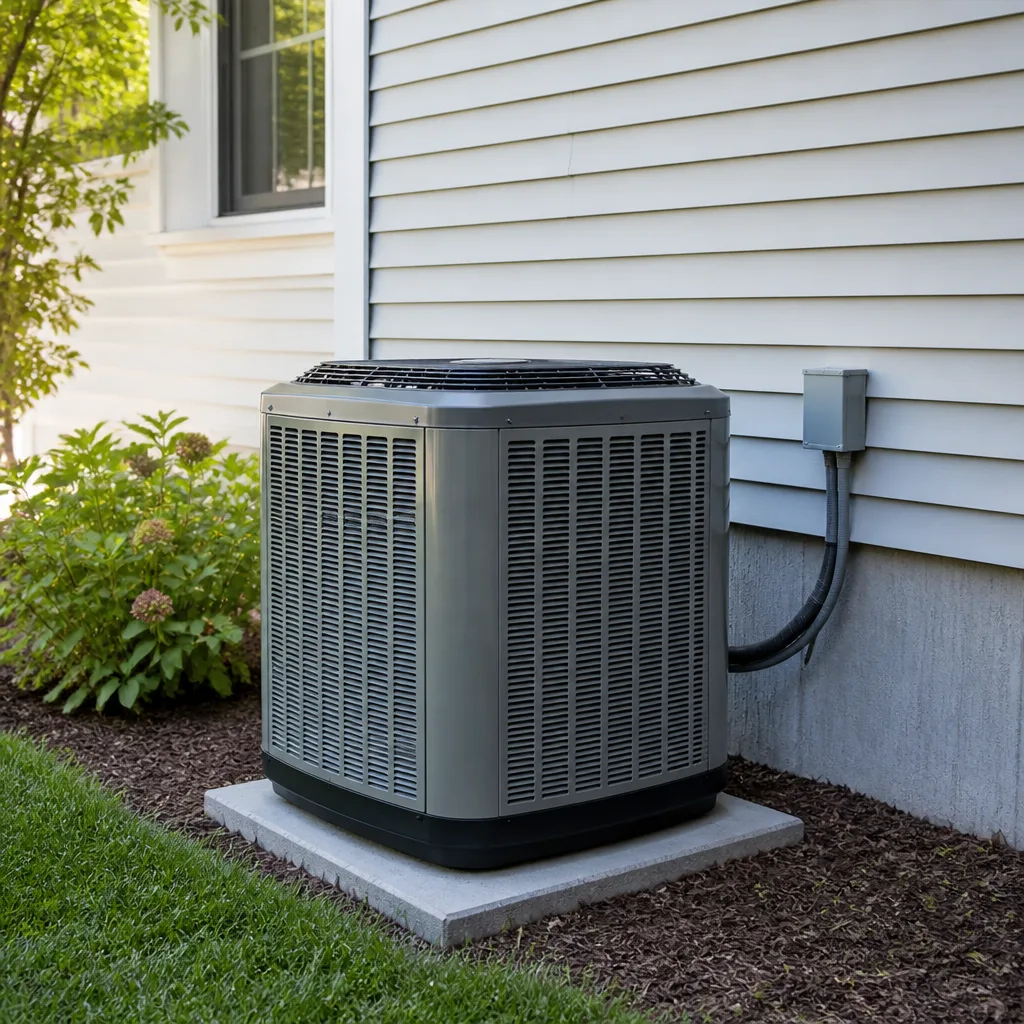 Trane
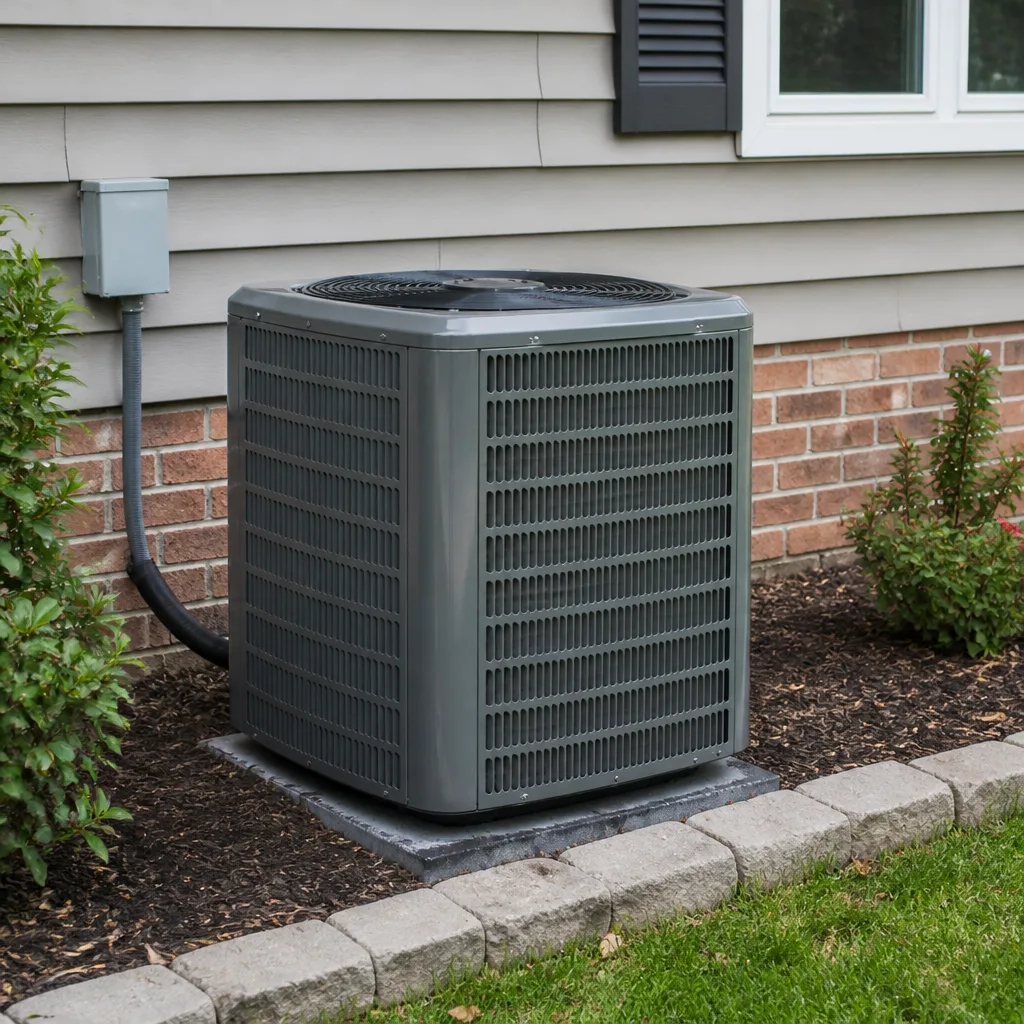 Goodman
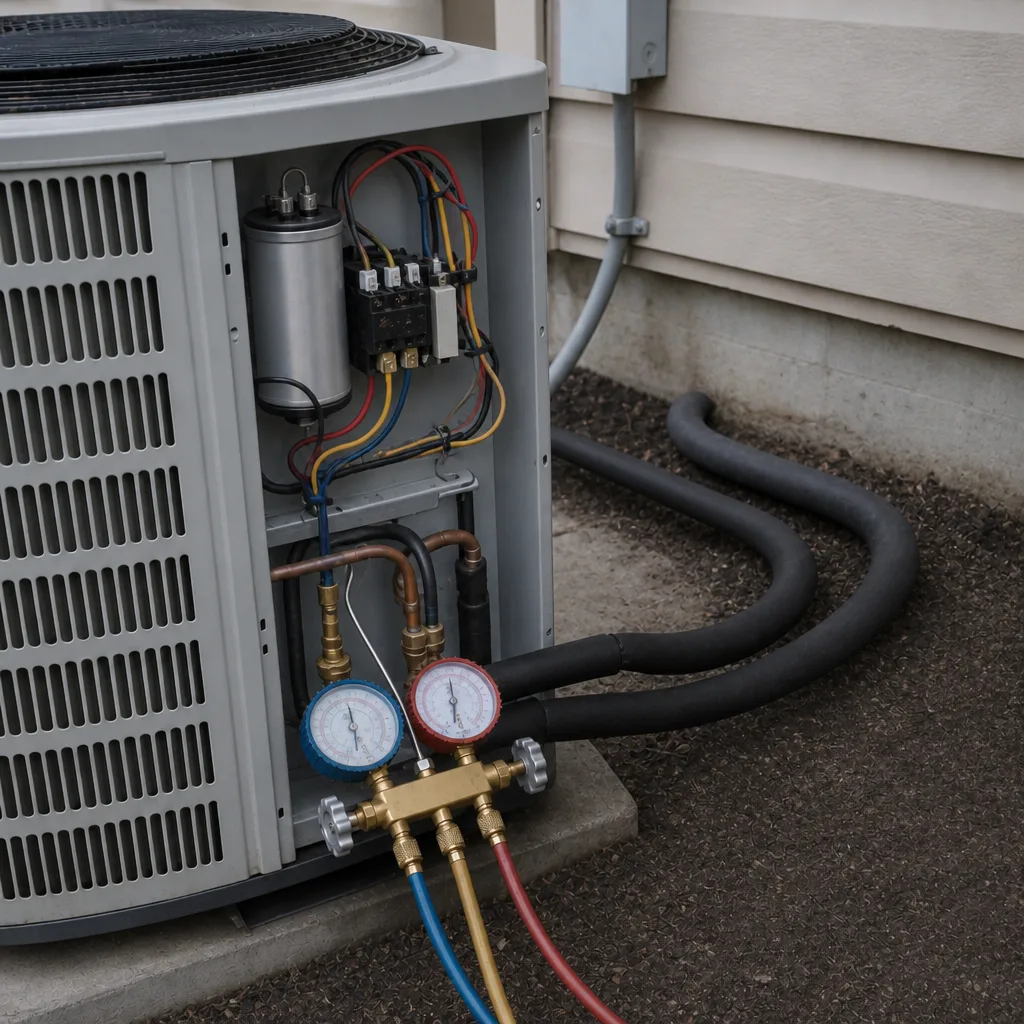
Seasonal tune-up and full diagnostic on your Carrier, Trane, or Goodman system - readings shown to you before any repair is proposed
Diagnosis first, numbers second - you approve the repair price before a single part goes in.
Get your free estimateHVAC Warning Signs: A Pearland Homeowner’s Reference Guide
Most HVAC warning sign guides stop at the obvious: warm air from the vents, a system that won’t turn on, a bang in the night. By the time those symptoms show up, you’re already in a repair emergency. The signals that actually matter arrive weeks earlier, and they’re quieter. They show up as a small bump on your Centerpoint Energy usage graph, a smell you can’t quite place, a sound you’ve started to tune out. A $40 increase in your July electric bill isn’t just the heat. It’s your system telling you something changed, and refrigerant loss of just 10% can cause efficiency to drop by as much as 20%. In Pearland, that signal often shows up on your bill long before it shows up as warm air. This guide is organized by what you hear, see, smell, and feel, so you can catch a problem while it’s still cheap to fix.
Quick Answer
The earliest HVAC warning signs in Pearland show up on your energy bill, in subtle sound changes, and in small shifts in how your home feels before any system fails outright. Watch for rising Centerpoint usage with no change in habits, short-cycling, drain pan moisture, and new smells. Catching these four categories early is the difference between a small repair and a mid-summer replacement.
Styles & brands we work with
- AC repair
- Furnace & heating
- Heat pumps
- Ductless mini splits
- Carrier
- Trane
- Goodman
Table of Contents
- Reading Your Centerpoint Energy Usage Graph as an Early-Warning Tool
- What You Hear: Sound-Based Warning Signs
- What You See: Visual Clues Before a Breakdown
- What You Smell: A Diagnostic Guide to HVAC Odors
- What You Feel: Comfort and Humidity Signals
- Why Short-Cycling Is Almost Never the Thermostat
- Warning Signs in Systems Over 10 Years Old
- Common Mistakes to Avoid
Reading Your Centerpoint Energy Usage Graph as an Early-Warning Tool
Your utility usage graph is the closest thing to a system diagnostic you can run without tools. Centerpoint Energy gives Pearland homeowners a daily and monthly view of kilowatt-hour use, and the shape of that graph tells a story. A system that’s running efficiently tracks closely to outdoor temperature. A system that’s losing refrigerant, has a failing capacitor, or is fighting a dirty coil starts pulling more power than the weather justifies. That gap on the graph is your first warning sign, often weeks before comfort drops.
Here’s how to read it in practice:
- Pull up last July and August. Those are the months your system works hardest in Pearland, so they give you the best comparison baseline.
- Line up your daily usage with local high temperatures. Daily highs are easy to find. If a 95-degree day this year uses noticeably more power than a similar day last year, something changed.
- Look for staircase patterns. If usage steps up and stays up rather than following the weather curve, that’s a system working harder than the conditions require.
- Compare shoulder months. A jump in April or October, when the system is barely running, can point to a failing component rather than cooling demand.
- Check your billing cycle dates. Centerpoint cycles don’t always line up with the calendar month, so match the dates on the bill to the dates on the graph before you draw conclusions.
The seasonal arc matters too. In Pearland, we routinely see August bills outpacing June bills by a margin that has less to do with the heat and more to do with a system that’s been quietly degrading since spring. When you call, bring the graph. It’s the most useful thing a homeowner can hand a technician.
What You Hear: Sound-Based Warning Signs
Your system makes noise. The question is which noises are normal and which are warnings. In our experience, most homeowners wait until a sound becomes annoying, but the subtle ones tell you more. Here’s how to sort them:
- A hum that’s louder than usual: Often a capacitor or compressor starting to strain. It’s one of the easiest things to fix early and one of the most expensive to ignore.
- Clicking at the outdoor unit: A repeating click that isn’t the contactor engaging can point to a relay or control board issue.
- Rattling or buzzing in the walls or vents: Loose ductwork, a failing blower bearing, or debris in the system. Pearland’s humid summers can loosen fittings over time.
- Hissing near the indoor unit: A refrigerant line pinhole leak or a restriction. This one needs attention quickly.
- Water sounds where you normally hear none: Often drain line blockage or a clogged condensate pan, which we cover in the next section.
- Squealing: A blower motor bearing or belt on its way out. Squealing rarely fixes itself.
The distinction that matters most: a sound that appears suddenly and stays is a warning. A sound that appears only at startup and fades is usually normal. If your ear has started to notice something new, that’s your cue to get it checked. We work on Carrier, Trane, Lennox, Goodman, and five other major brands, so if you’re hearing something new, we can look at it without you having to track down a brand-specific shop.
What You See: Visual Clues Before a Breakdown
Visual warning signs are easy to overlook because they sit in places we don’t stare at: the drain pan under the indoor coil, the outdoor condenser pad, the filter slot. A quick monthly walk-around catches most of them.
Signs to look for
- Water in the drain pan: A small amount during peak cooling is normal. Standing water, a rust ring, or overflow is not. It usually means a clogged condensate line or a pan that’s tilted or cracked.
- Ice on the refrigerant lines: Frost or ice on the copper lines is a symptom of low refrigerant or restricted airflow, and it’s a common summoner of emergency calls in Pearland once summer gets going.
- Filter discoloration: A filter that’s gray-black after a month instead of three months means the system is moving more debris than it should, which loads the blower.
- Rust or corrosion on the outdoor unit: Cosmetic surface rust is common in Pearland’s humidity. Flaking rust on the coil fins is a different story and points to internal coil degradation.
- Tripped breakers: If the outdoor unit’s breaker trips repeatedly, don’t just reset it. It’s a sign of a compressor or electrical fault that needs professional diagnosis.
- Yellow-brown stains on the ceiling near the air handler: Ceiling access panels can hide slow condensate leaks that ruin drywall before the homeowner notices.
Differentiating condensation from overflow
Pearland’s humidity produces more condensation than most homeowners realize. The indoor coil sweats, the drain line carries water away, and a little moisture at the coil access is normal. The line between normal condensation and a drain pan problem is simple: normal condensation drains completely, meaning the pan is dry within a few hours of the system shutting off. Overflow means the pan has standing water when the system is off. If you see that, shut the system down and call for service. A drain pan overflow can soak insulation, warp drywall, and feed mold growth in a matter of days in a Pearland summer.
What You Smell: A Diagnostic Guide to HVAC Odors
Smell is the most underused diagnostic tool a homeowner has. Different odors point to different components, and the distinction matters. Here’s a plain-language guide:
- Burning dust: A dry, dusty smell the first time you turn the heat on in the fall. Usually harmless and fades within hours. It’s the dust on the heat exchanger burning off after months of disuse.
- Electrical burning: Sharp, acrid, and unfamiliar. This means hot insulation, a failing blower motor, or a wiring problem. Shut the system off at the thermostat and call for service. Do not keep running it.
- Musty or moldy smell: Points to moisture in the system: a wet drain pan, a clogged condensate line, or a damp evaporator coil. In Pearland’s humidity, this can develop in a season and it does not resolve on its own.
- Rotten egg or sulfur smell: This is a gas concern. If your system is a gas furnace turning on and you smell sulfur, leave the home and contact your gas utility immediately. This is not an HVAC repair call; it’s a safety call.
- Exhaust or chemical smell: A furnace flue issue or refrigerant leak. Both warrant an immediate professional look.
In our experience, homeowners tend to wait on smell-based warnings because the symptoms come and go. A musty smell that appears only on rainey days is still a drain line clog. A burning smell that only shows up on startup is still worth checking. If you’re smelling something new, the safe move is to get it diagnosed. We can identify which component is responsible without guessing.
What You Feel: Comfort and Humidity Signals
Comfort signals are the ones homeowners notice first and misattribute most often. When a room doesn’t feel right, we tend to blame the thermostat, the weather, or the layout of the house. Those are real factors, but only some of the time. Here’s what different “feel” problems typically mean:
- Some rooms cool better than others: Usually a ductwork or airflow issue, not a refrigerant problem. Damper settings, blocked vents, or undersized returns are common culprits.
- The house feels cool but clammy: The system is cooling but not dehumidifying. A system that runs short cycles cools the air without pulling enough moisture out. This is a common complaint in Pearland where outdoor humidity stays high for months.
- Cold air that feels forced: Often an airflow restriction calling for a higher blower speed than the system is designed for. It can also point to a low refrigerant charge that makes the air feel less “wet” and more “bland.”
- A room that’s warm in the afternoon but cool in the morning: A sign the system is losing ground during the hottest part of the day. Could be a slowly failing compressor or a coil that’s partially restricted.
- The system never seems to shut off: Whether it’s running constantly to keep up or running so long the house gets overcooled, a system that can’t seem to reach a satisfied state is telling you something.
Feeling issues are easy to live with because they feel like “that’s just how it is,” but they’re usually fixable. When you’re ready to stop adjusting the vents and start getting comfortable, we can help. Our technicians have up to 8 years of experience diagnosing the system in the home rather than trying to sell you a new one.
Why Short-Cycling Is Almost Never the Thermostat
Short-cycling is the HVAC term for a system that turns on, runs briefly, and shuts off, only to do it again minutes later. It’s one of the most common complaints we hear in Pearland, and one of the most misdiagnosed. Homeowners often replace the thermostat to no effect. The thermostat is rarely the problem. Here’s what’s actually causing it, ranked by how often we see it:
- Oversized system. A system that’s too big for the home cools quickly and shuts off before the home is adequately dehumidified. It’s a common issue in tract homes where the original equipment wasn’t sized right.
- Refrigerant overcharge. Too much refrigerant, often after a prior service, trips a safety limit that cuts runtimes.
- Failing control board or pressure switch. The electrical brain that manages on/off cycles can fail in a way that makes the system stop early.
- Clogged filter or restricted airflow. The system gets too cold, freezes the coil, and cuts out. The filter is the cheapest fix in the list.
- A failing compressor. A compressor that can’t build pressure winds up short-cycling. This is when repair versus replace becomes a real question, and it’s worth planning instead of panicking.
If your system is short-cycling after you’ve replaced the thermostat and checked the filter, that’s our cue to look deeper. It’s one of the places where a proper diagnosis saves real money, and it’s a frequent starting point for the replacement conversation.
Warning Signs in Systems Over 10 Years Old
Older systems show warning signs earlier and hide them better. Pearland’s humidity is a real factor here. Coil corrosion on the inside of the equipment is one of the hardest problems to spot because the signs don’t show up until performance drops. What you can watch for:
- Progressively rising energy use. An older system’s efficiency curve doesn’t stay flat. Rising Centerpoint usage year over year on similar weather suggests coil or compressor degradation.
- More frequent refrigerant top-offs. Refrigerant doesn’t consume itself. A system that needs a charge every year is leaking, and if it’s over 10 years old, the leak is likely in the coil.
- Longer runtimes without reaching setpoint. A cooling system that used to hold 74 without breaking a sweat and now runs for hours to get there is telling you the coil or compressor can’t keep up.
- New noises or smells that appear with the first hot week of the year. Older equipment shows its problems when it’s tested. The first 100-degree run in Pearland is the annual stress test.
- Condensate issues that keep coming back. A system that clogs its drain line repeatedly often has a coil that’s fouled with biological growth, and cleaning the line doesn’t fix that.
- Noise from the outdoor unit that’s louder than it used to be. A compressor that’s aging gets louder as bearings wear and efficiency drops.
If your system is over 10 years old and showing two or more of these signs, it’s worth an honest conversation about repair versus replacement. We work on Carrier, Trane, Lennox, and other major brands, so we can give you a straight assessment. Our AC Repair Pearland page covers what that visit looks like in more detail.
Common Mistakes to Avoid
Homeowners in Pearland, and honestly everywhere, make a handful of repeatable mistakes when it comes to HVAC warning signs. Here are the most common:
- Replacing the thermostat when the system short-cycles. It’s the most common and most expensive mistake we see. The thermostat is usually fine; the problem is airflow, refrigerant, or controls.
- Topping off refrigerant without finding the leak. Refrigerant is a sealed system. Any recharge without a leak diagnosis is money going up in the air. Find the leak first, then decide on repair versus replacement. If you’re in Pearland, our AC repair team walks that path with you.
- Ignoring the utility graph because the bill feels “normal for summer.” Pearland runs hot, so a spike is easy to write off. Compare to last year, not to last month.
- Running the system with visible ice on the lines. It may cool for now, but frozen coils compound damage. Shut it down and call.
- Confusing condensation with a drain leak. A wet drain pan hours after shutdown is a leak. A slightly damp coil is normal. Don’t assume “it’s just humidity.”
- Putting off the repair-or-replace conversation until a failure decides for you. Planning it while the system still works is much less stressful than doing it during a heat wave.
- Calling three generalists instead of one specialist. The single-trade focus matters. HVAC-only means the diagnostic covers heating and cooling under one roof, with no hand-off and no gap between the two sides of your comfort system.
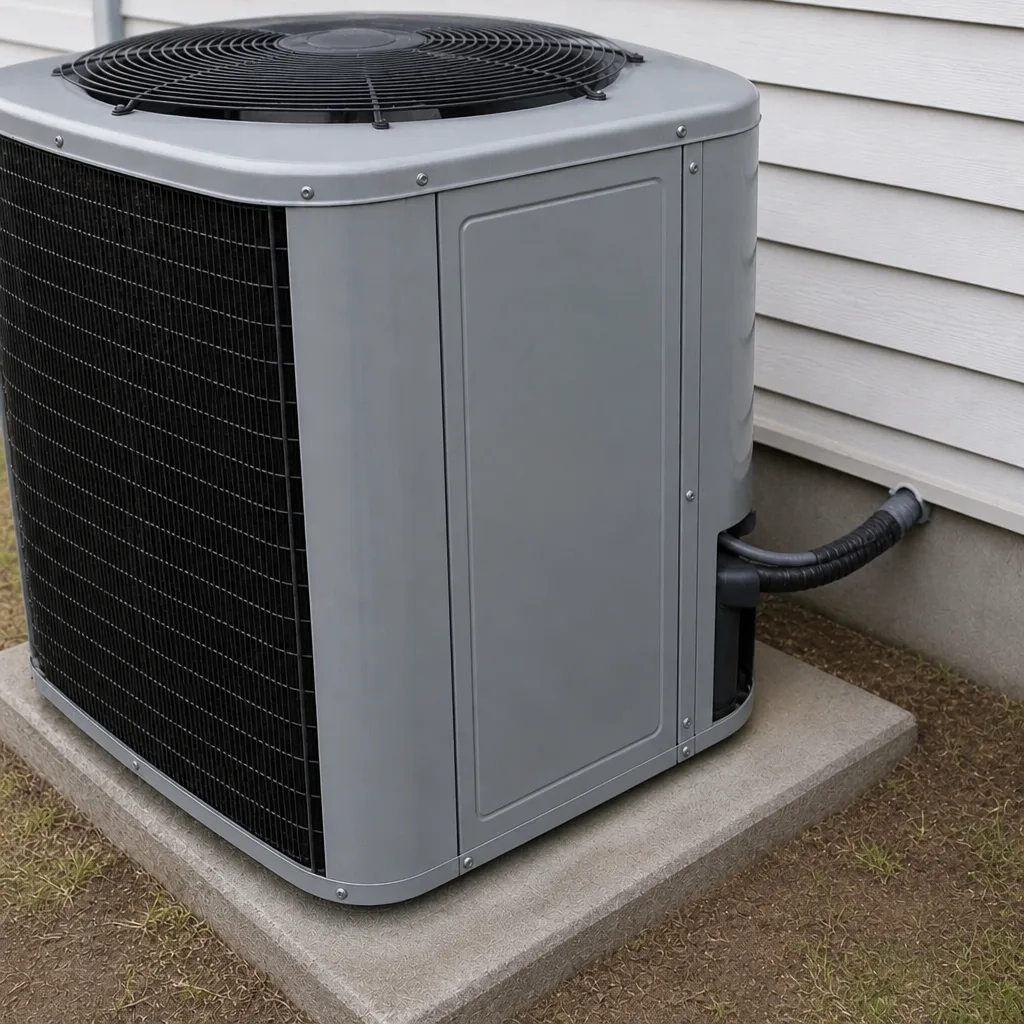
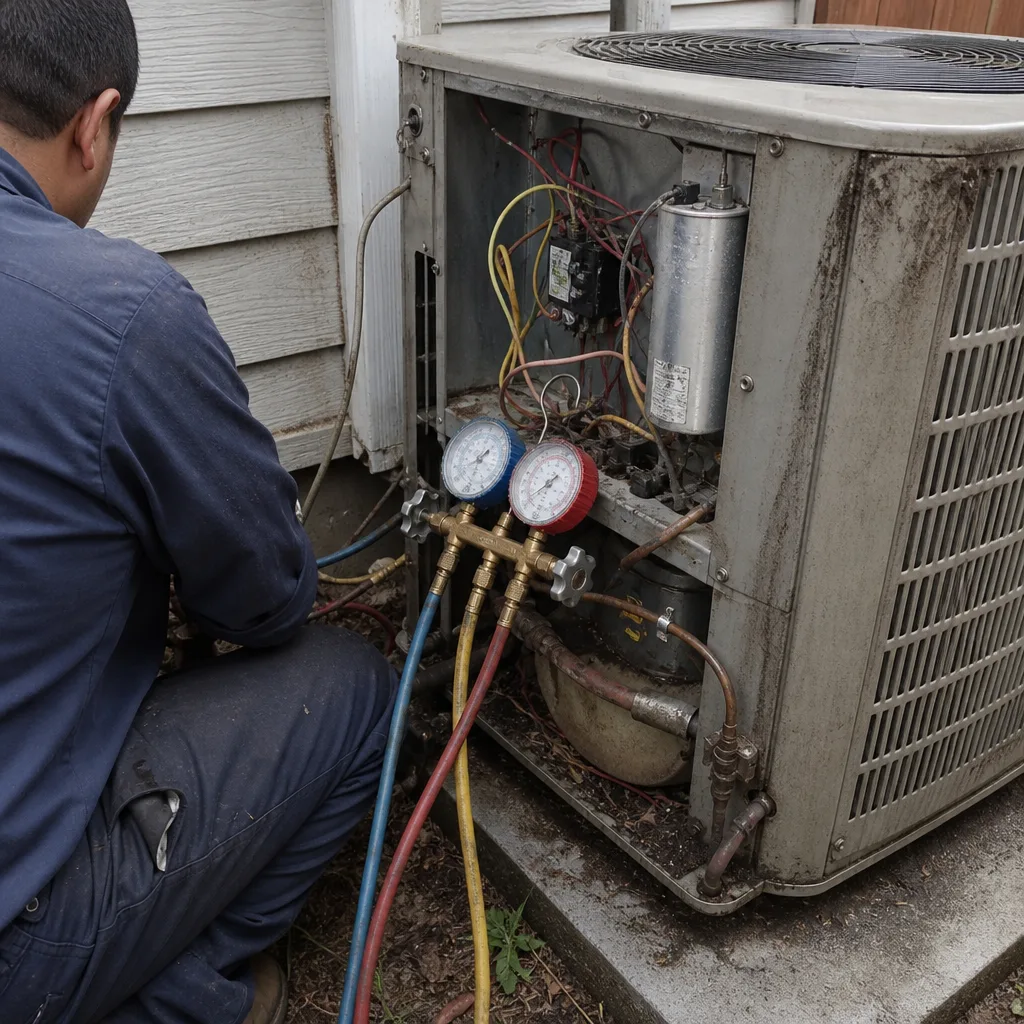
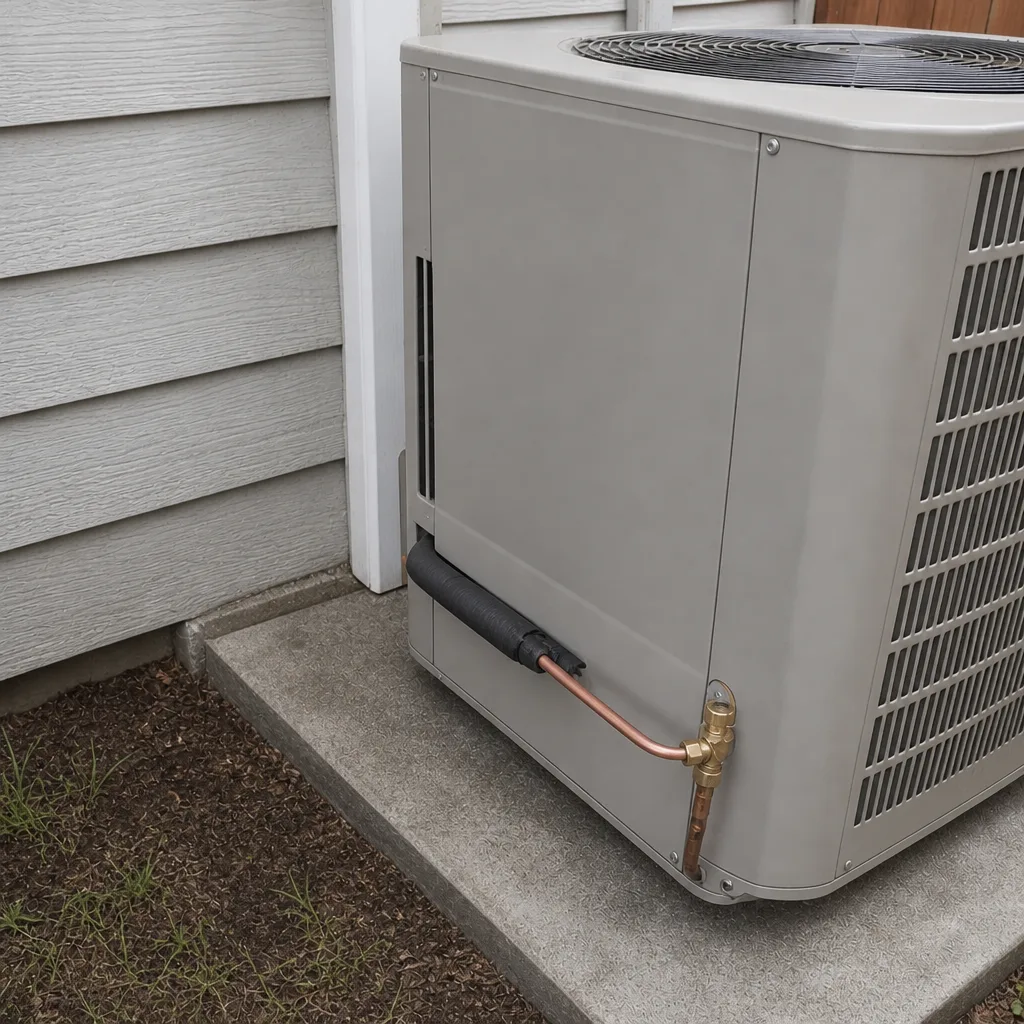
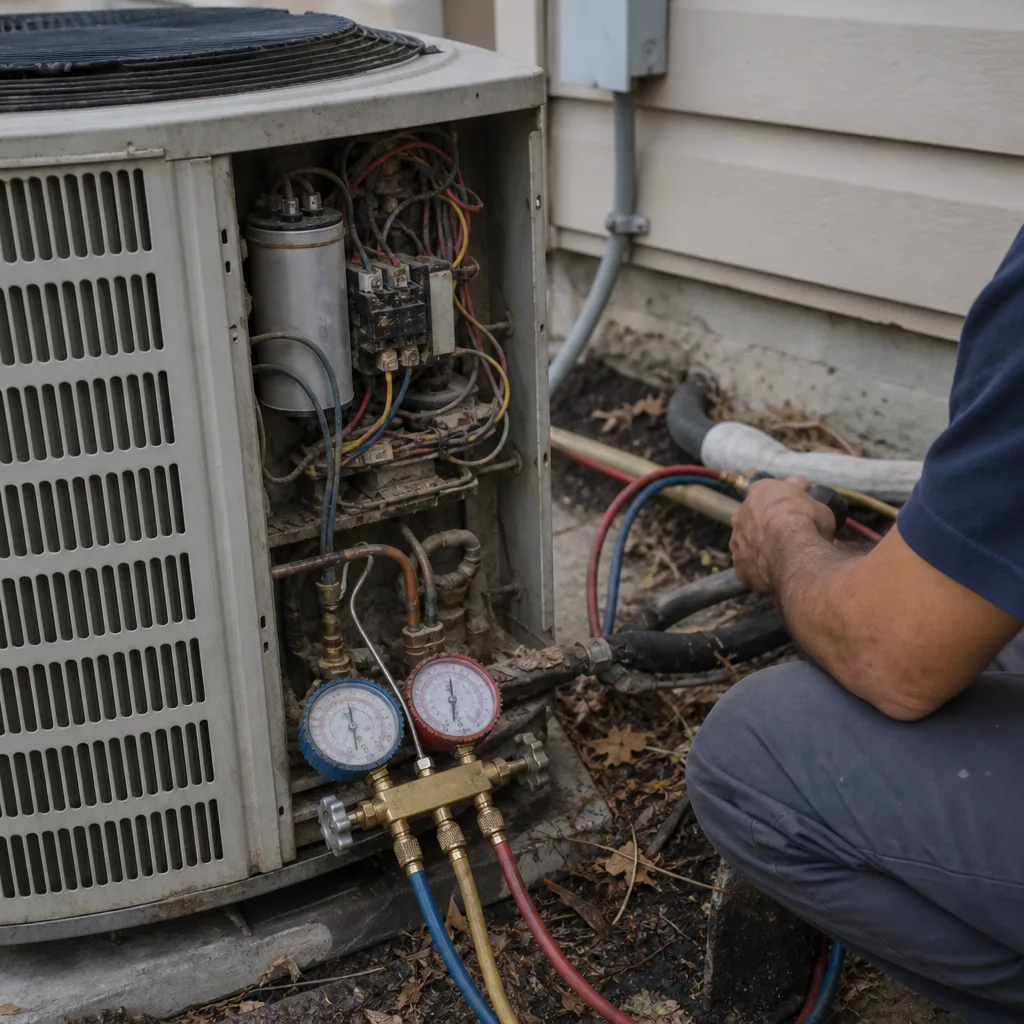
See the difference
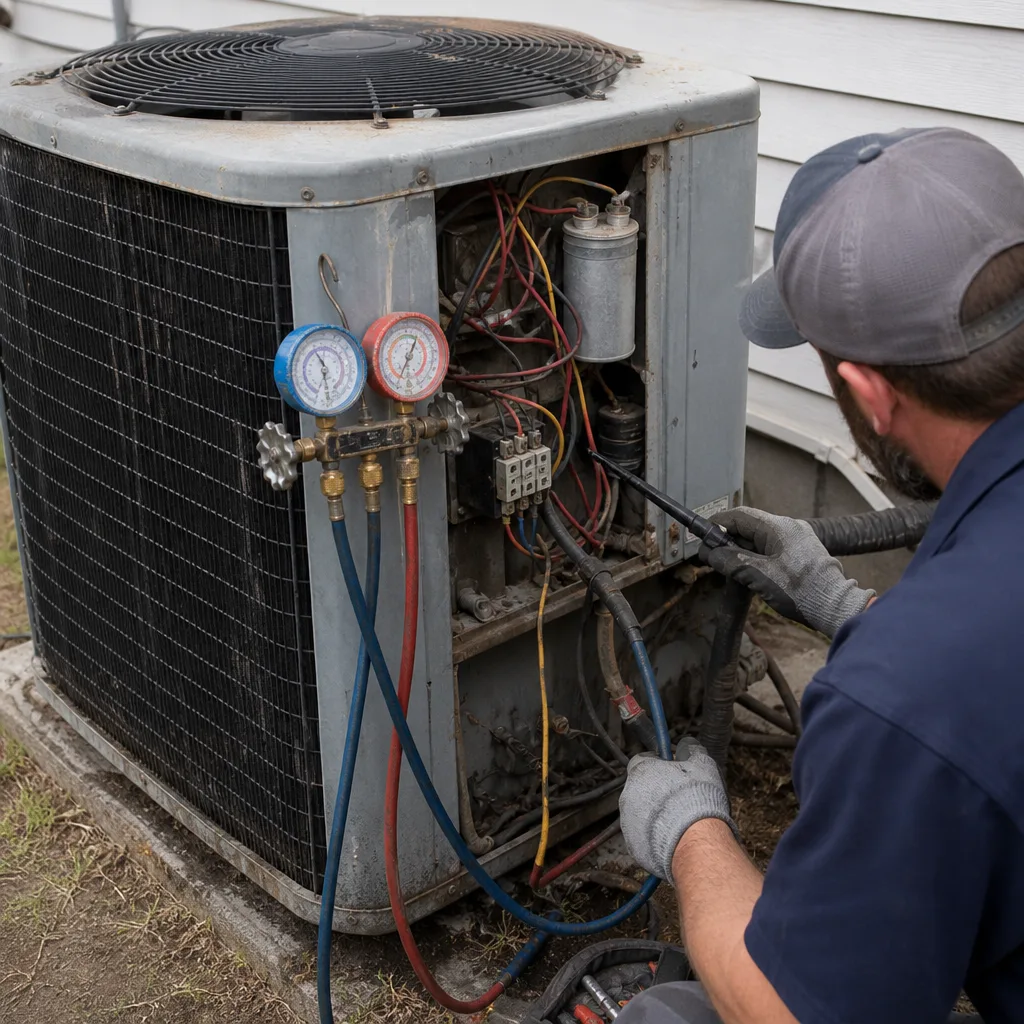 Before
 After
 Before
 After
 Before
 After
When to Call a Professional
Call a professional when you see electrical burning smells, ice on the lines, repeated breaker trips, standing water in the drain pan, or a system that short-cycles after you’ve replaced the filter and left the thermostat alone. Call when it’s short-cycling and the outdoor unit is louder than it was last summer. Call when refrigerant needs topping off more than once a year, when a system over 10 years old is struggling during the first hot week, or when you’ve simply noticed a sound or smell that wasn’t there before and it hasn’t gone away. Those are the calls that are far cheaper than a mid-July failure.
AC Repair Pearland offers free estimates in Pearland, with fast dispatch from 7am to 7pm, Sunday through Friday. Call (833) 946-7622. We answer 24/7. We work on your brand, not just ours: Carrier, Trane, Lennox, Goodman, Rheem, York, Daikin, Bryant, and American Standard.
Frequently Asked Questions
The most reliable early indicators are rising Centerpoint usage on similar weather days, short-cycling, new sounds at startup, and musty smells near the indoor unit. If two or more of those appear together in Pearland, it’s time for a diagnostic. Call (833) 946-7622 for a free estimate.
Yes, within limits. It won’t tell you which part is failing, but it will tell you whether your system is working harder than the weather would justify. That’s the earliest signal you can get without tools, and it often shows up weeks before a comfort problem does.
Short-cycling is almost never the thermostat. In order of frequency in Pearland, the causes are oversizing, refrigerant overcharge, a failing control board or pressure switch, restricted airflow, and a failing compressor. The fix depends on which one it is, so a proper diagnosis is worth the call.
A musty smell near the vents or air handler usually means moisture is sitting in the system. The most common causes are a clogged condensate line, a wet drain pan, or biological growth on the evaporator coil. It’s a warning sign that doesn’t resolve on its own and gets worse as humidity climbs. Call (833) 946-7622 to have it checked.
A slight amount of moisture at the coil during the cooling season is normal. Standing water in the pan after the system shuts off is not. That points to a clog or a pan problem and should be addressed before it damages insulation or drywall. In Pearland’s humidity, it pays to check.
It depends on how many signs are present and how the system is performing between them. One sign is worth a repair. Multiple signs, especially refrigerant issues, point toward a frank conversation about replacement. We give you a straight assessment of whether repair or replacement makes financial sense before any work begins. Call (833) 946-7622 for a free estimate.
The Bottom Line
The warning signs that matter most are the ones you can catch from your own living room: the graph on your Centerpoint app, a new sound you’ve stopped ignoring, a smell that won’t go away, and a drain pan that isn’t as dry as it should be. In Pearland’s climate, those signals show up weeks before a breakdown, and they’re the difference between a small repair and a replacement under pressure. Watch the four senses, trust what you notice, and call when something feels off. For {AC installation} estimates, or for a straight repair-versus-replace assessment, we’re the AC Repair Pearland team that diagnoses the actual system in your home. Learn about our Pearland service focus, or read about AC installation when you’re planning the next step.
Call (833) 946-7622 for a free estimate. We answer 24/7. Fast dispatch from 7am to 7pm, Sunday through Friday. Our technicians have up to 8 years of experience and work on your brand, not just ours.
Written by the team at AC Repair Pearland.