
Last updated November 15, 2026
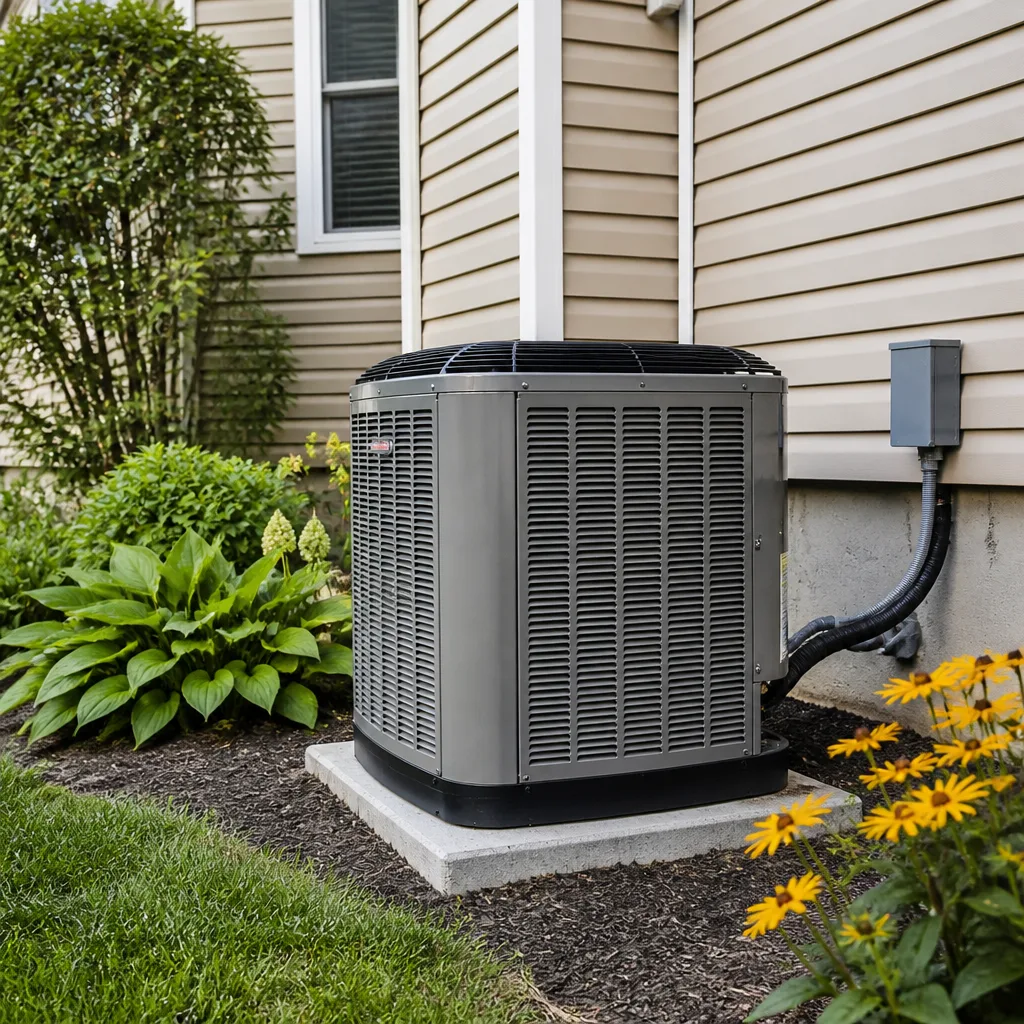 AC repair
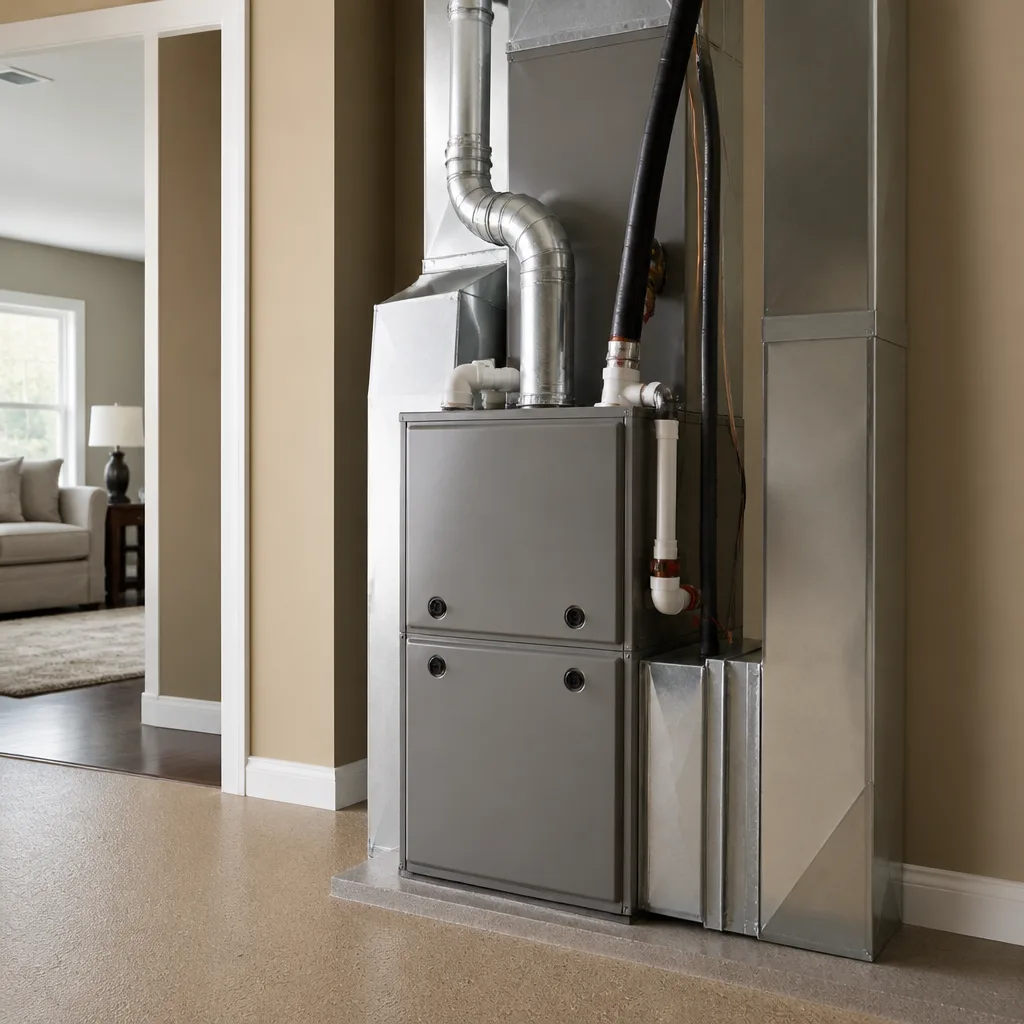 Furnace & heating
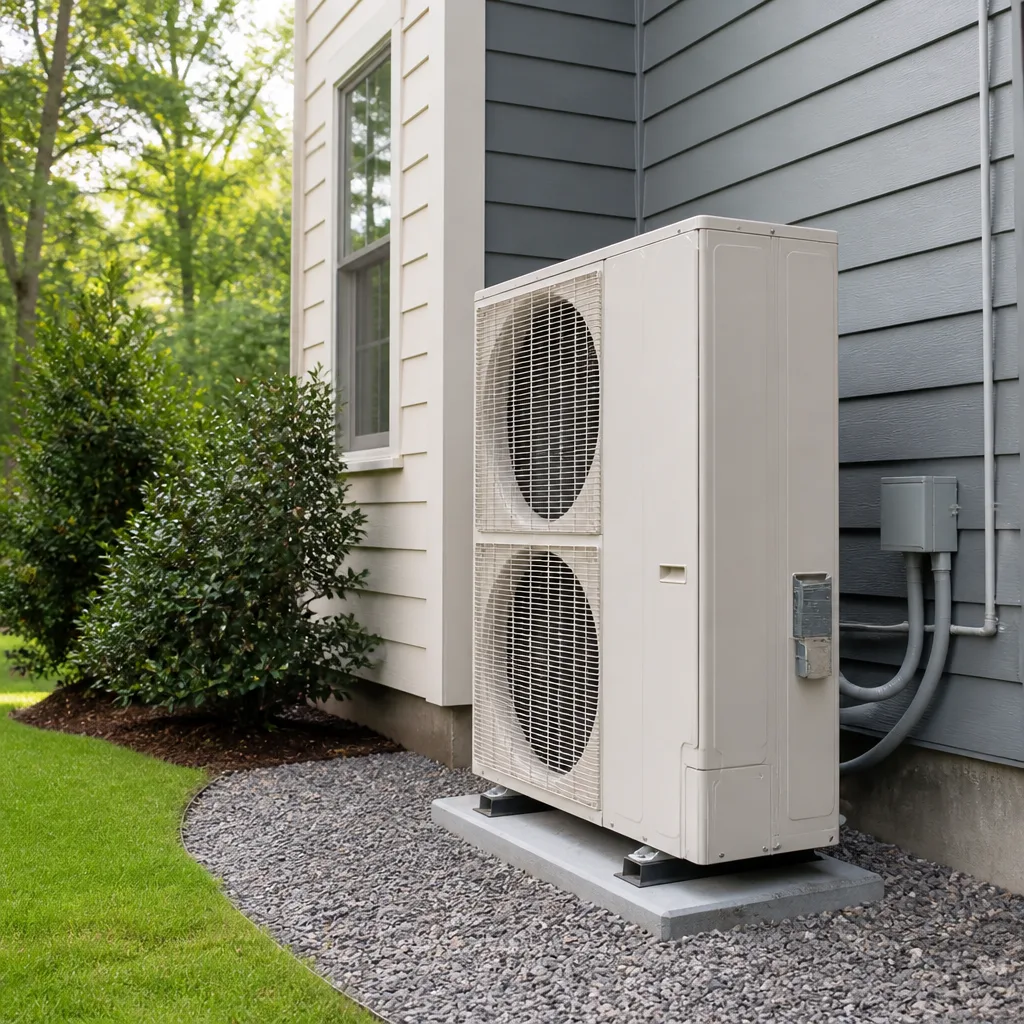 Heat pumps
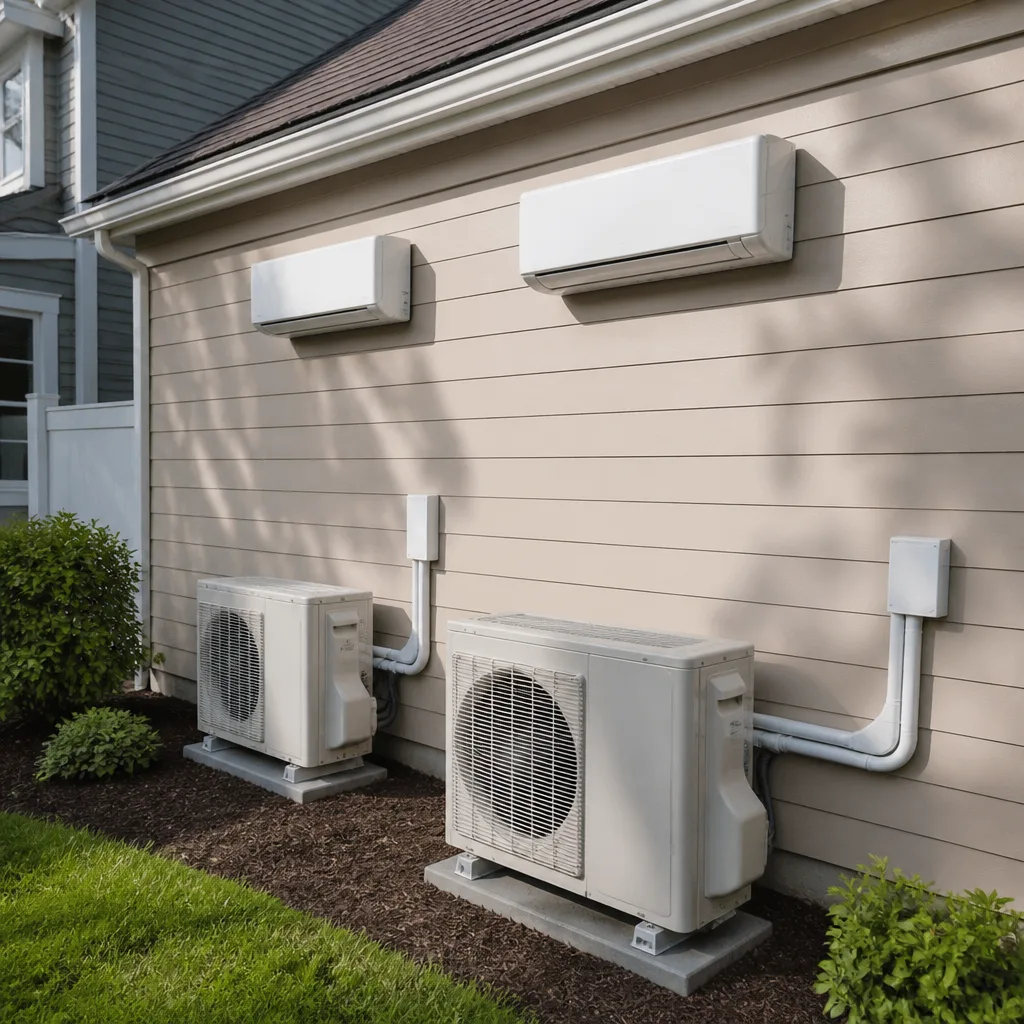 Ductless mini splits
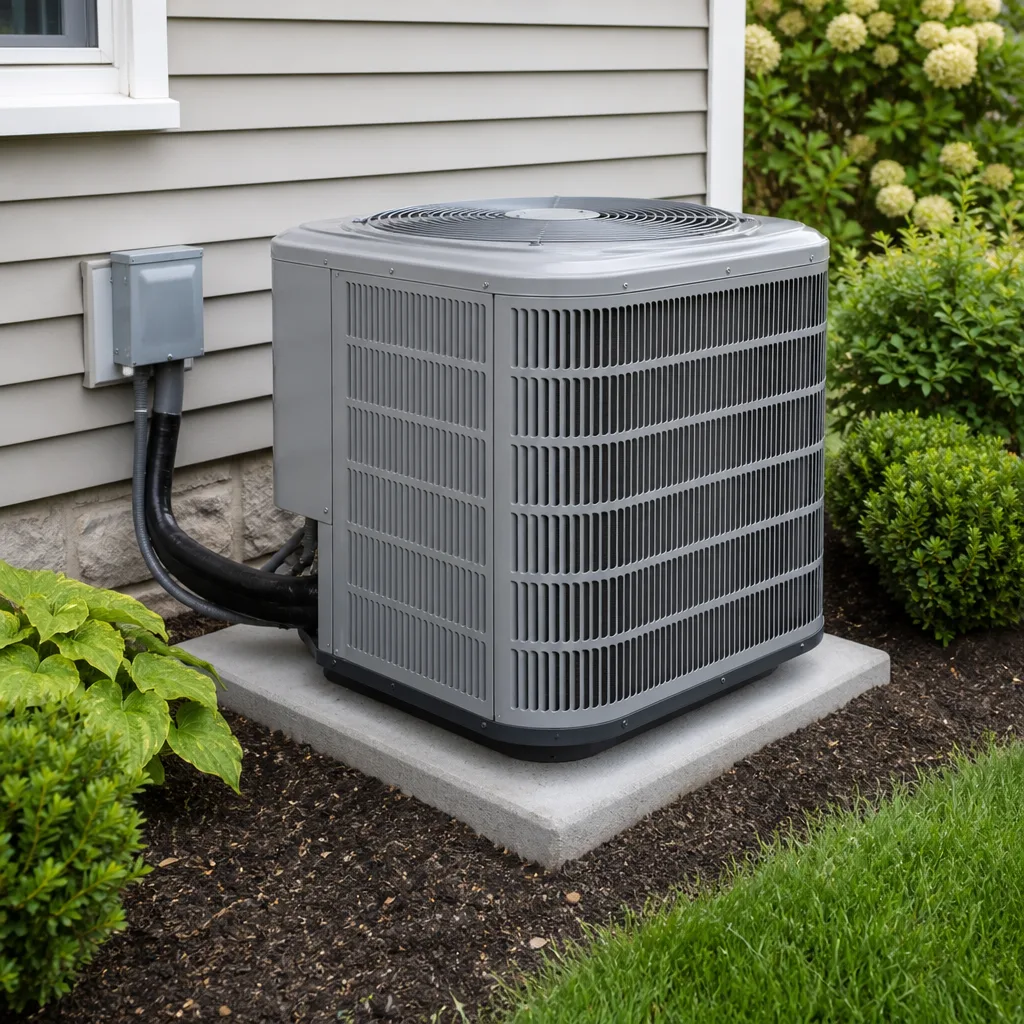 Carrier
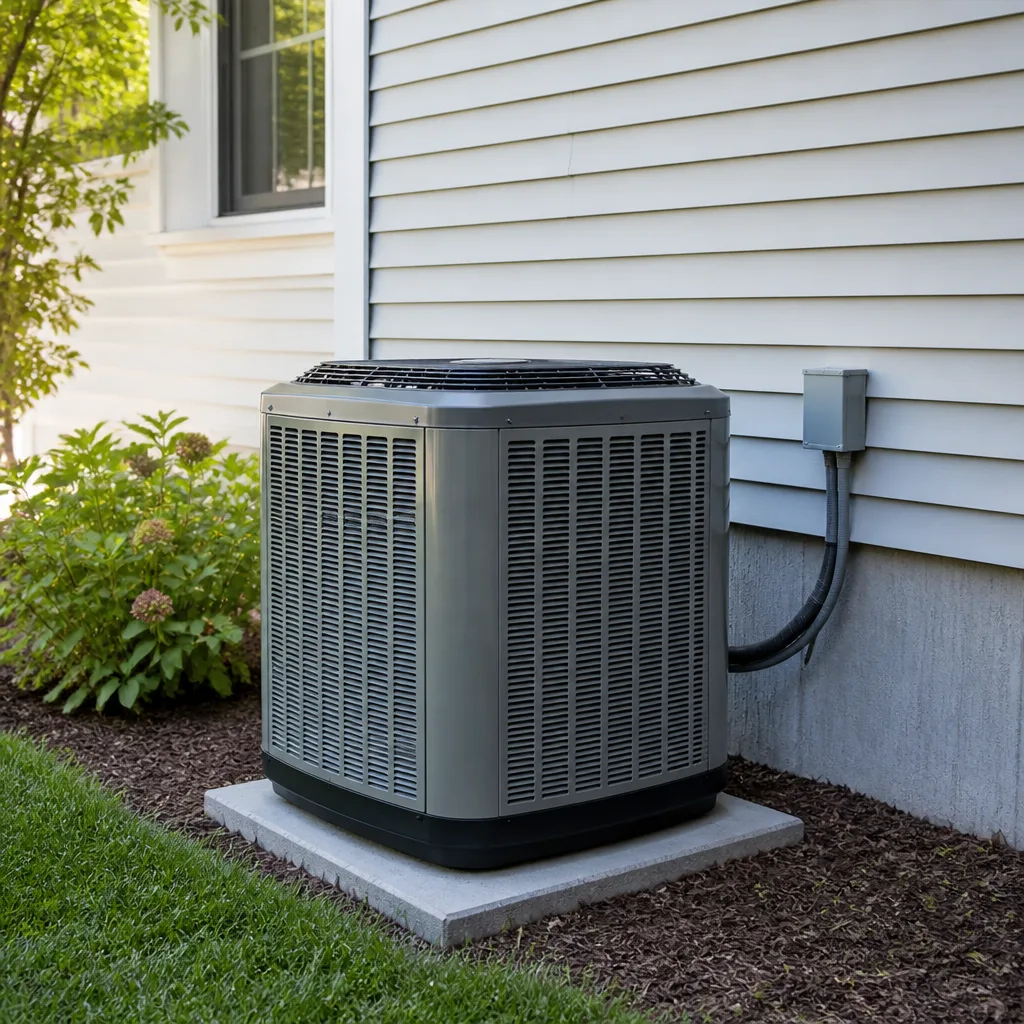 Trane
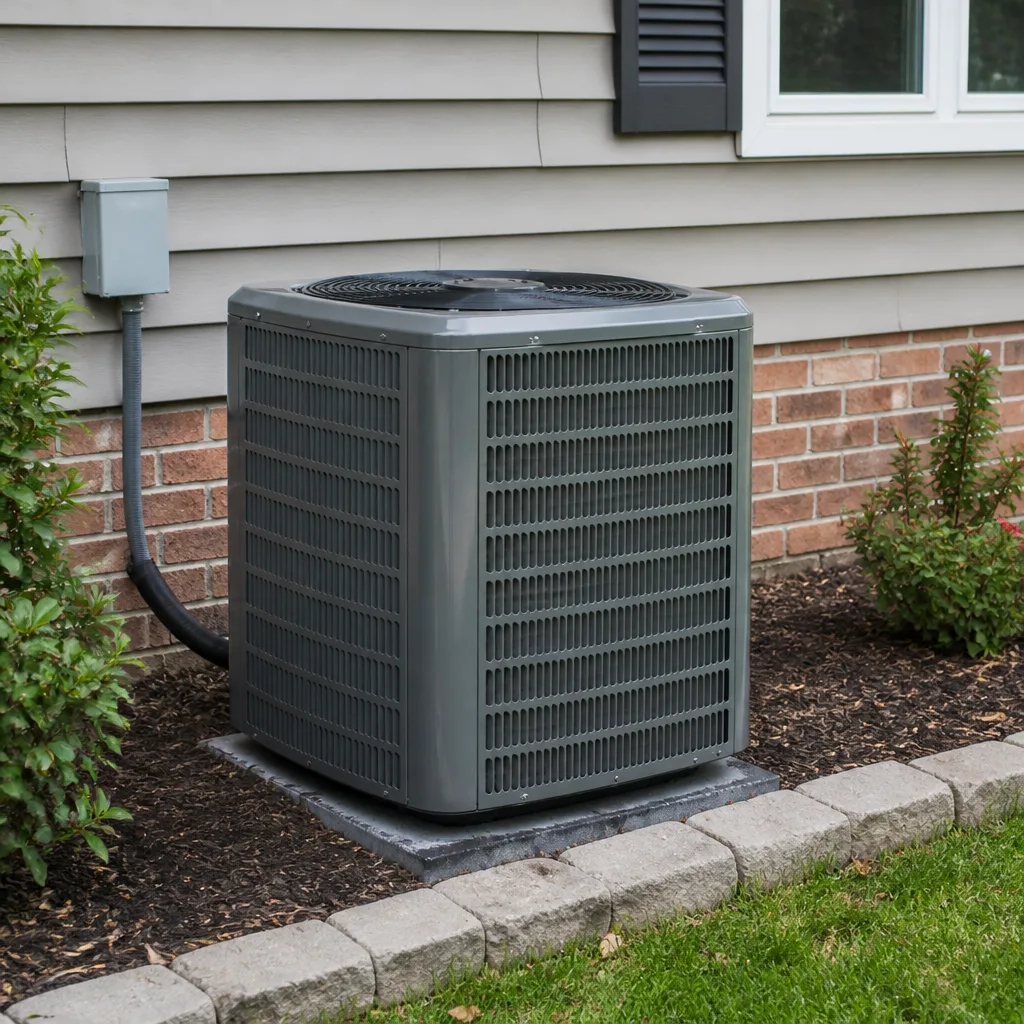 Goodman
Seasonal tune-up and full diagnostic on your Carrier, Trane, or Goodman system - readings shown to you before any repair is proposed
Diagnosis first, numbers second - you approve the repair price before a single part goes in.
Get your free estimateAC Repair Troubleshooting in Pearland: Common Problems and How to Fix Them
The single most expensive sentence a homeowner can say to an HVAC technician is “it’s just not cooling right.” That phrase costs money because it forces us to start from zero. Vague symptoms mean a longer diagnostic path, and a longer diagnostic path means a bigger bill – and sometimes a repair that fixes the wrong thing entirely. Most troubleshooting guides stop at “check the thermostat” and “replace the filter.” This one starts where those leave off. You’ve already done the obvious steps, and now you want to understand what’s actually happening. In this guide, we’ll map specific sounds and symptoms to the components that usually cause them, show you how to gather real temperature data before a technician arrives, and give you the language to describe your problem accurately. That accuracy cuts diagnostic time and keeps your repair bill honest, whether you’re in Silverlake, Riverstone, or anywhere else in Pearland.
Quick Answer
AC troubleshooting in Pearland starts with three checks you can do safely: confirm the thermostat is calling for cool, inspect the air filter, and look at the outdoor unit for ice or a stopped fan. Most no-cooling calls trace to a dirty filter, a tripped breaker, a failed capacitor, or low refrigerant – and the symptom pattern tells a trained technician which one before they open a panel. Refrigerant work and electrical component replacement require a licensed technician; anything inside the sealed refrigerant circuit or the electrical cabinet is not a DIY job.
Styles & brands we work with
- AC repair
- Furnace & heating
- Heat pumps
- Ductless mini splits
- Carrier
- Trane
- Goodman
Table of Contents
- Symptom-to-Cause Mapping: What Your System Is Telling You
- The Temperature Split Test: Real Data Before the Tech Arrives
- Refrigerant Leak vs. Frozen Evaporator Coil: Two Problems, Same Symptoms
- Clicks, Gurgles, and Short Cycling: Decoding the Noises
- Common Misdiagnoses and the Second-Opinion Questions to Ask
- What’s Safe to Check Yourself (and What Legally Isn’t)
- Why Pearland Summers Test Your System Differently
- When to Call a Professional
Symptom-to-Cause Mapping: What Your System Is Telling You
Your air conditioner doesn’t fail silently. It almost always broadcasts the problem before it quits, and learning to read those signals is the difference between a small fix and an emergency replacement. Here’s how the most common complaints map to actual components.
- Warm air from the vents, outdoor unit running: Usually low refrigerant charge, a failing compressor, or a dirty condenser coil. The system is running but not transferring heat effectively.
- Warm air, outdoor unit not running: Often a tripped breaker, a failed capacitor, a blown contactor, or a thermostat that isn’t sending the call for cool.
- Ice on the indoor coil or outdoor lines: Restricted airflow (dirty filter, blocked return) or low refrigerant. Both cause the coil to drop below freezing.
- System runs constantly but never reaches setpoint: Undersized equipment, a refrigerant issue, or duct problems in the attic where Pearland’s summer heat loads the system heavily.
- Short cycling (turns on and off rapidly): Oversized equipment, a failing thermostat, a clogged filter, or a safety switch tripping on low charge.
- Lukewarm air only in some rooms: Often airflow distribution, not the AC itself – but worth telling the technician which rooms and when.
When you call, describe the symptom, not the diagnosis. “Warm air, outdoor unit running, ice on the indoor line” gives us more than “it’s broken.” That precision is what lets us arrive prepared. If you’re in Pearland and your system has stopped cooling, we can talk you through the safe checks and schedule a visit – our AC Repair Pearland team handles these calls daily.
The Temperature Split Test: Real Data Before the Tech Arrives
You can hand your technician a real measurement instead of a feeling, using nothing more than a phone thermometer app and a cheap probe. The temperature split is the difference between the air going into your return and the air coming out of a supply vent. A healthy system running steadily usually shows a split in the 15-20°F range, though humidity and load shift that figure. A split well below that suggests a refrigerant or airflow problem; a split that’s very high with a frozen coil points to restricted airflow.
- Let the system run for 15 minutes. A cold start gives garbage readings. The system needs to reach steady operation.
- Measure return air. Hold your thermometer near the return grille, in the air the system is pulling in, and note the number.
- Measure supply air. Move to a supply vent a few feet into the duct run, not right at the register face, and note that number.
- Subtract supply from return. That difference is your split. Write it down with the time and outdoor temperature.
- Repeat on a second supply vent. If one vent reads wildly different from another, that’s a duct or airflow clue worth passing along.
Why does this matter? Because “not cooling right” and “supply air is 68 degrees with a return of 76” are two very different phone calls. The second one tells us your split is 8°F instead of 16°F, which narrows the field considerably before we’ve touched a gauge. In our experience, homeowners who bring this data get to the right repair faster. When you’re ready to schedule, look up AC repair for Pearland homeowners and have your numbers ready.
Refrigerant Leak vs. Frozen Evaporator Coil: Two Problems, Same Symptoms
These two problems look almost identical from the sofa – the house is warm, the system is running, maybe there’s ice somewhere – but they couldn’t be more different in urgency and cost. Telling them apart is one of the most useful bits of diagnostic literacy a homeowner can have.
A refrigerant leak means the system is losing charge. Symptoms build slowly over weeks: cooling gets weaker, the system runs longer to hit setpoint, and you may see ice on the outdoor line set. Eventually the system can’t keep up at all. A leak needs to be located and repaired, and refrigerant added – which requires a licensed technician and the proper recovery equipment. Skip the leak search and just “top it off,” and you’ll be back in the same spot next season.
A frozen evaporator coil usually traces to restricted airflow, not refrigerant. A clogged filter, a blocked return, or a collapsed duct run starves the coil of warm air, so it drops below freezing and turns into a block of ice. The fix can be as simple as changing the filter and letting the coil thaw – but the underlying airflow problem has to be addressed or it returns.
The practical difference: a frozen coil from airflow is often a same-day, low-cost fix. A confirmed refrigerant leak is a search-and-repair job with a much wider cost range. That’s why a technician’s first step is diagnosing which one you have before quoting anything. Our Pearland service handles both, and we’ll tell you plainly which category you fall into before any work begins.
Clicks, Gurgles, and Short Cycling: Decoding the Noises
Sound is diagnostic data. Here’s what the common noises usually point to, in plain language.
- A sharp click at the outdoor unit, then nothing: Often the contactor engaging without the compressor following – a capacitor or compressor problem. Single click, no fan, no hum: start with the breaker and capacitor.
- Repeated clicking (click, click, click): The unit is trying to start and failing. A failing capacitor or a locked compressor are the usual suspects. This is the one noise worth turning off and calling about, because repeated failed starts strain the compressor.
- Gurgling or hissing at the indoor unit: Often refrigerant moving through the lines, which can be normal – but a persistent hiss with reduced cooling can signal a leak.
- Rattling from the outdoor unit: Loose panels, a failing fan motor bearing, or debris in the cabinet. Usually mechanical, rarely refrigerant.
- Buzzing at the thermostat or indoor unit: Electrical contactor or transformer issue. Worth mentioning specifically.
- Squealing on startup: Often the blower motor or a belt on older equipment. Rarely an emergency, but it gets worse with time.
Short cycling deserves its own note. If your system turns on and off in short bursts – say, five minutes on, five minutes off, all day – it’s usually undercharged, oversized, or fighting a thermostat problem. In Pearland’s heat, short cycling wears the compressor fast and leaves the house humid. Describe the cycle timing when you call: “runs five minutes, off five minutes” tells us more than “it cycles a lot.”
Common Misdiagnoses and the Second-Opinion Questions to Ask
HVAC diagnosis is not an exact science at the first visit, and some problems are genuinely missed. Here are the misdiagnoses we hear about most often, and the questions that surface them before you authorize an expensive repair.
- “You need a whole new system” without a load calculation. Replacement-first advice sometimes skips the actual measurement. Ask: what’s my temperature split, what’s my refrigerant charge, and what specifically failed that a repair can’t address?
- “It just needs refrigerant” without a leak search. Topping off a leaking system is a temporary fix with a permanent bill. Ask: did you find the leak, and where?
- Replacing a capacitor that wasn’t the problem. Capacitors are cheap and easy to swap, but a failed start can also be a compressor or wiring issue. Ask: did you test the capacitor, and what were the readings?
- Blaming the thermostat when the problem is the blower. A thermostat swap is fast; verifying airflow at the blower is slower. Ask: did you confirm the blower is moving the right amount of air?
- Duct problems diagnosed as equipment problems. If only some rooms are warm, the equipment may be fine. Ask whether airflow was measured at the vents.
- Oversized replacement recommended. Bigger isn’t better – oversized systems short cycle and leave the house humid. Ask whether the replacement was sized with a load calculation or simply matched to the old unit.
A second opinion is not an insult to the first technician. It’s just data. If something feels off, ask one extra question and listen to how it’s answered. A confident technician welcomes a follow-up; a shaky diagnosis tends to wobble.
What’s Safe to Check Yourself (and What Legally Isn’t)
Some troubleshooting saves you a service call. Some is genuinely dangerous and, for refrigerant handling, legally restricted to licensed technicians. Knowing which is which protects both your wallet and your safety.
Safe to check yourself:
- Thermostat settings, batteries, and mode (heat/cool/auto)
- Air filter condition – replace if visibly dirty
- Breaker panel: confirm the AC breaker hasn’t tripped
- Outdoor unit: visually check for ice, debris, and whether the fan spins
- Return grilles and supply vents: confirm they’re open and unobstructed
- Temperature split test with a phone thermometer
Not safe, and not legal for an unlicensed homeowner:
- Handling, recovering, or adding refrigerant – federally regulated and requires a licensed technician
- Opening the electrical cabinet to test or replace capacitors, contactors, or wiring – the stored voltage in a capacitor can seriously injure you
- Working inside the sealed refrigerant circuit, including the evaporator and condenser coils
- Compressor or fan motor replacement
We say this plainly because we’ve been called to clean up after a homeowner attempted an electrical repair. The savings never justify the risk. If your safe checks don’t solve it, that’s the signal to stop. Our AC installation and repair team handles the rest, from diagnosis through the fix, including equipment from Carrier, Bryant, and American Standard, among the nine major brands we service.
Why Pearland Summers Test Your System Differently
Pearland’s climate is a specific kind of hard on air conditioning. Long stretches of heat and heavy humidity mean the system isn’t just cooling – it’s pulling moisture out of the air, and that dehumidification load changes what “normal” looks like. A unit that would feel fine in a drier climate can feel warm here simply because it’s working through humidity rather than temperature.
That reality shapes what our technicians look for first. Condensate drain lines clog more often in high humidity, and a clogged drain can trip a safety switch and shut the system down even though the AC itself is fine. Attic duct runs get hot, so duct leakage that would be minor elsewhere costs real comfort here. And because the system runs longer in summer, small refrigerant leaks and airflow restrictions show up faster.
Neighborhood context matters too. Whether you’re in Shadow Creek Ranch, Silverlake, or Riverstone, the housing stock around Pearland tends toward newer construction with high-efficiency equipment – which means when something fails, the diagnosis often involves communicating thermostats, variable-speed blowers, and control boards rather than the simple on/off systems of older homes. If you’ve already checked the filter, the breaker, and the thermostat, and the house is still warm, it’s time for a real diagnosis. If you’re looking for reliable Pearland HVAC service, we’re a call away.
Common Mistakes to Avoid
- Topping off refrigerant without a leak search. It’s the most common shortcut in the trade – and it guarantees you’ll be back next season with the same problem and a lighter wallet. Ask where the refrigerant went before anyone adds more.
- Replacing the whole system after one failed diagnosis. A second opinion before a replacement decision costs nothing and sometimes saves thousands. A repair that makes financial sense is the right answer even if replacement is available.
- Ignoring short cycling. In Pearland’s heat, a system that cycles rapidly wears the compressor and leaves the house humid. Treat repeated clicking and rapid on/off as a symptom worth calling about, not a quirk.
- Attempting electrical repair yourself. Capacitors store a charge that can stop your heart. No filter change or thermostat swap is worth the risk of opening the electrical cabinet.
- Blaming the equipment when the ducts are the problem. Warm rooms in one part of the house often trace to airflow, not the AC unit. Test the temperature split at multiple vents before calling it an equipment failure.
- Oversizing a replacement. Bigger equipment isn’t better – an oversized system short cycles and leaves the house humid. Size should follow a load calculation, not the old unit’s label.
- Waiting until the system fails completely. Pearland’s peak summer load is unforgiving, and a system that quits on the hottest week of the year means a longer wait and more stress. A failing symptom is a good time to get eyes on it.
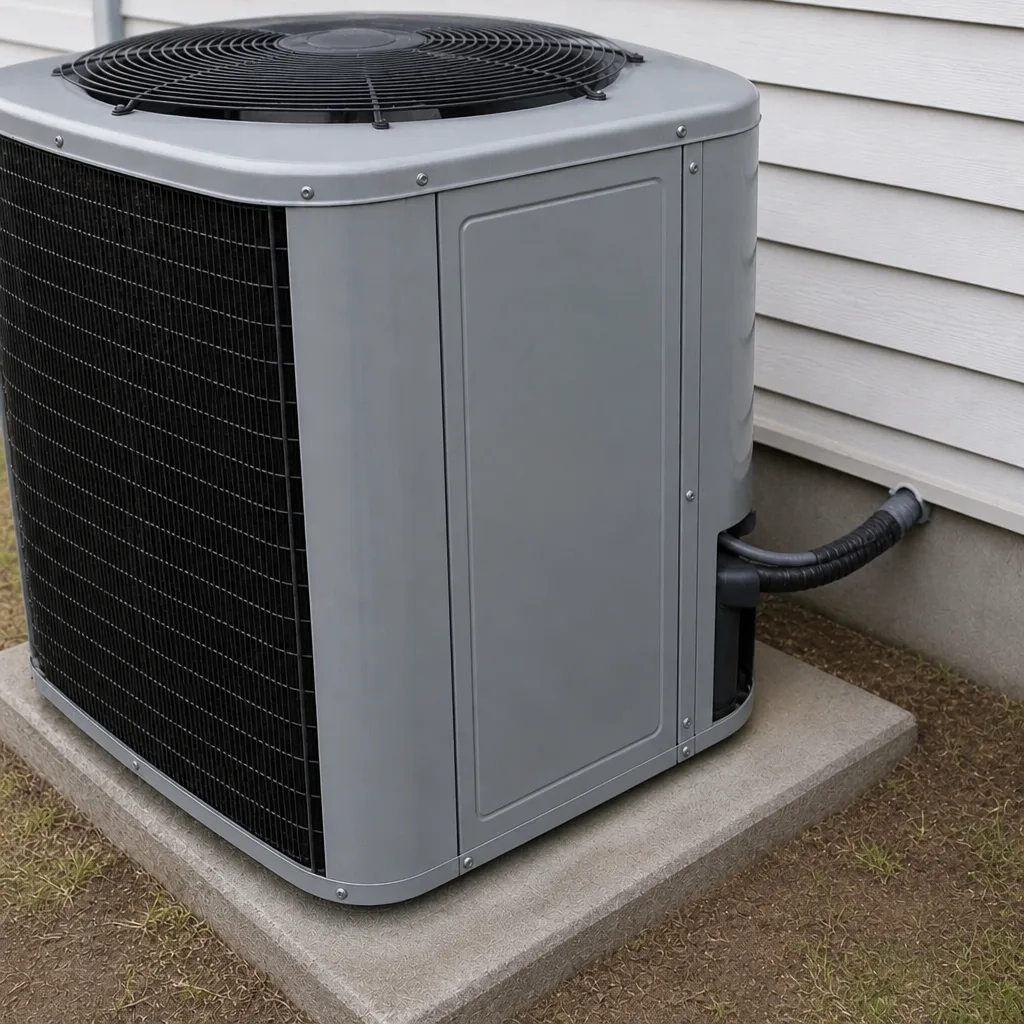
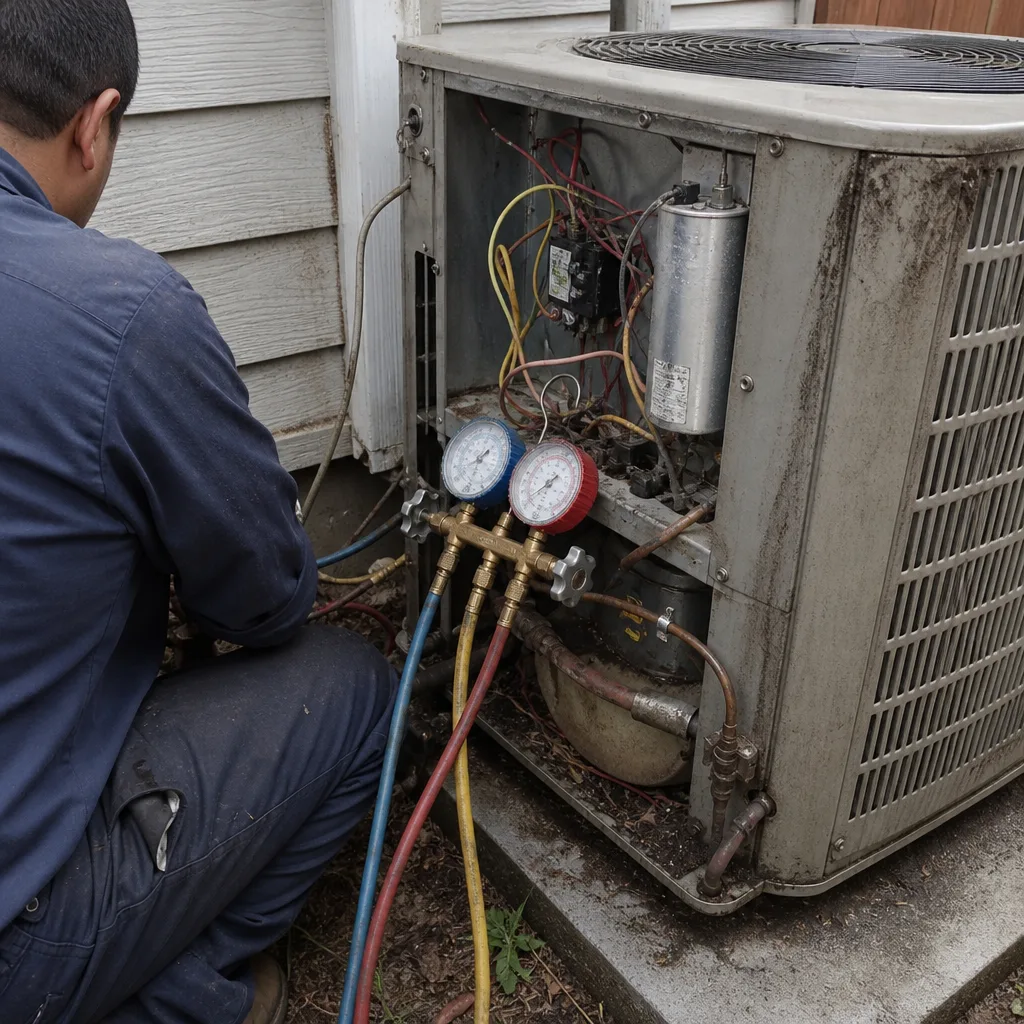
See the difference
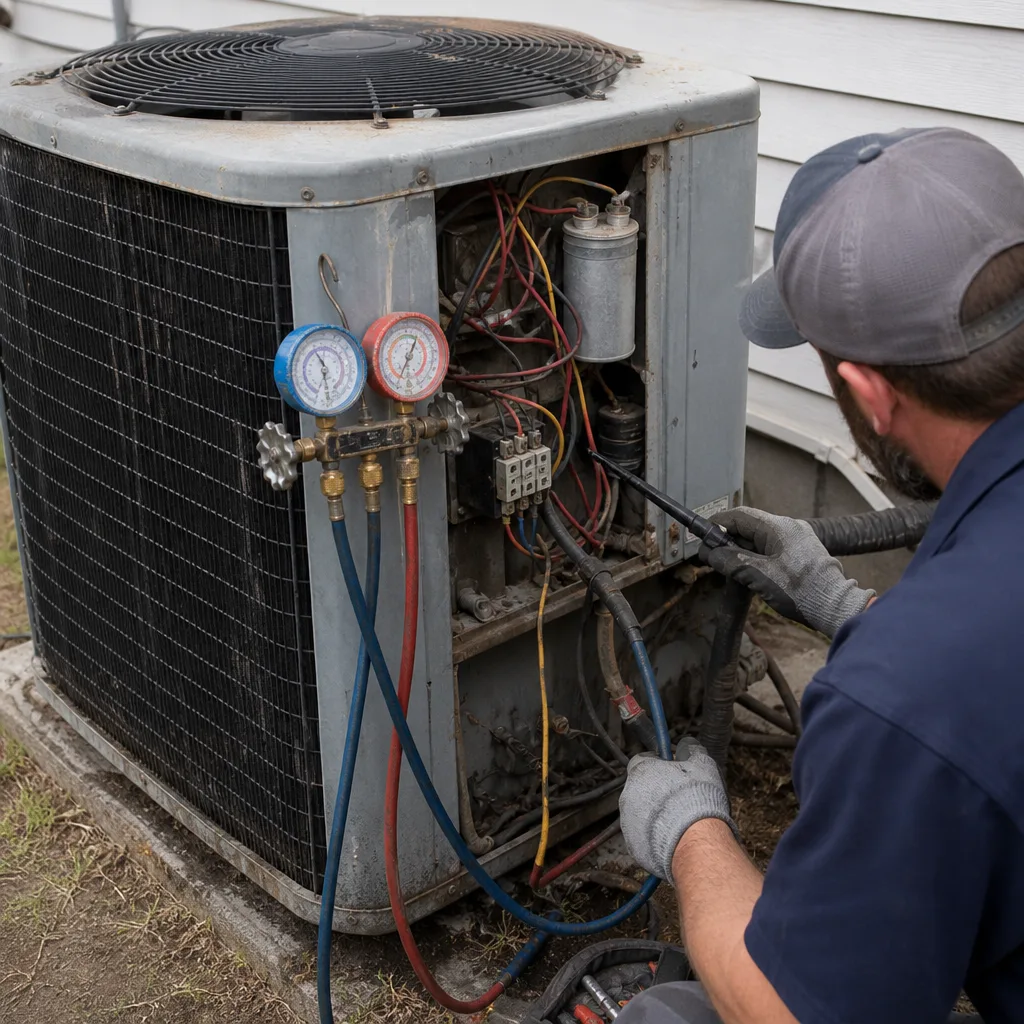 Before
 After
 Before
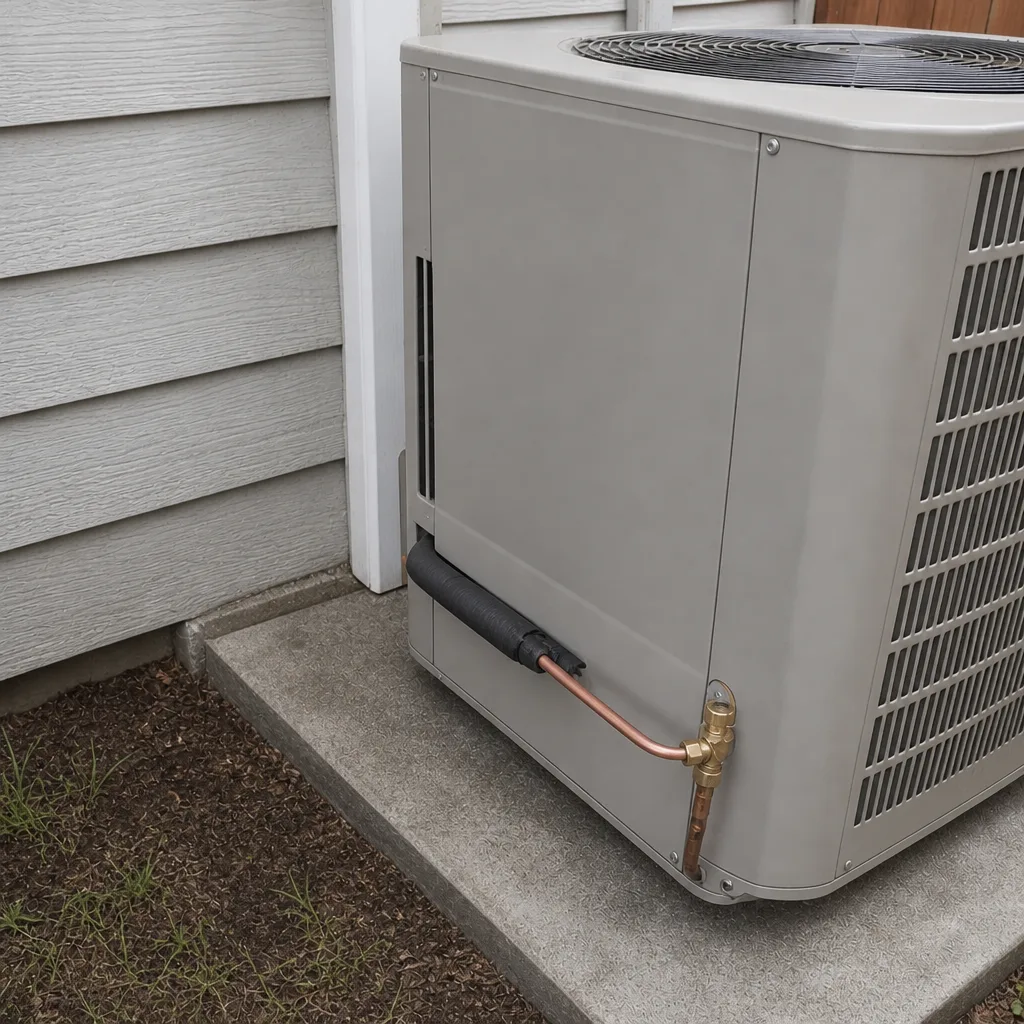 After
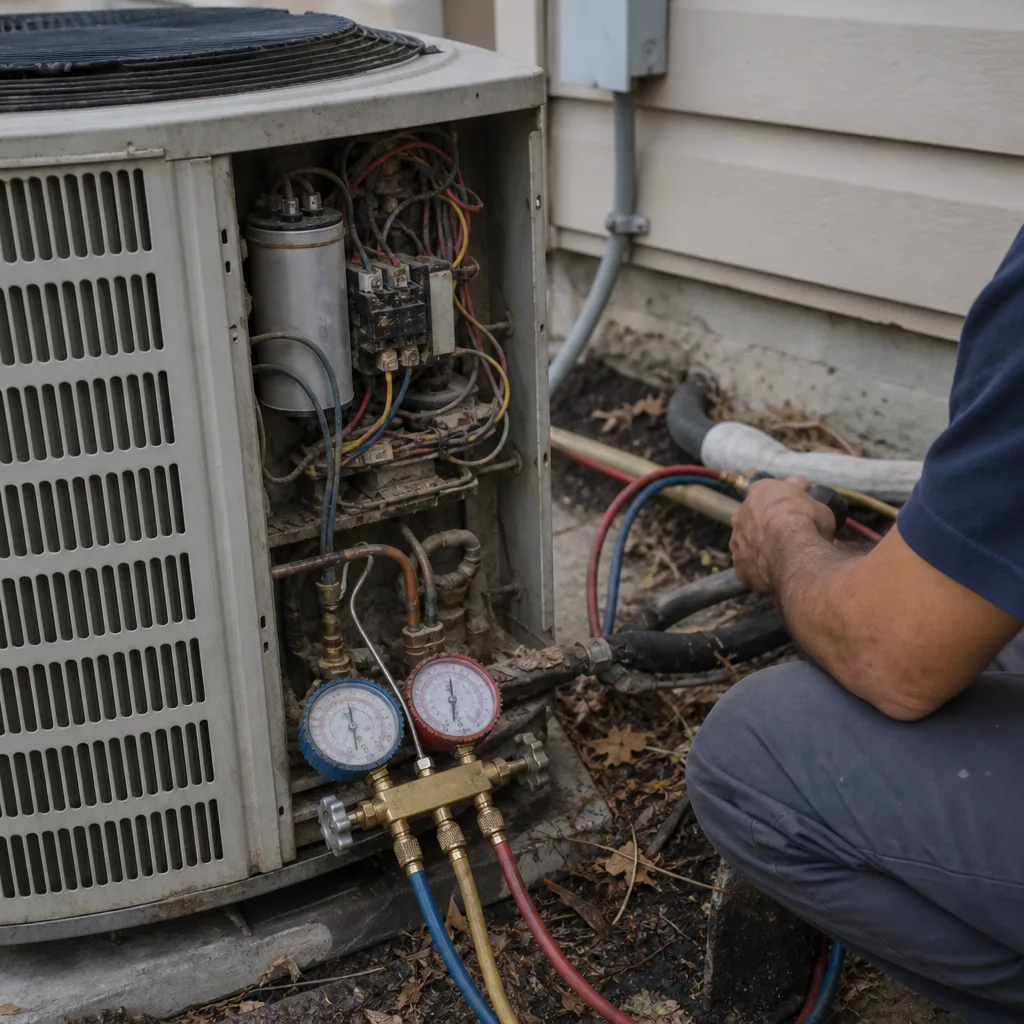 Before
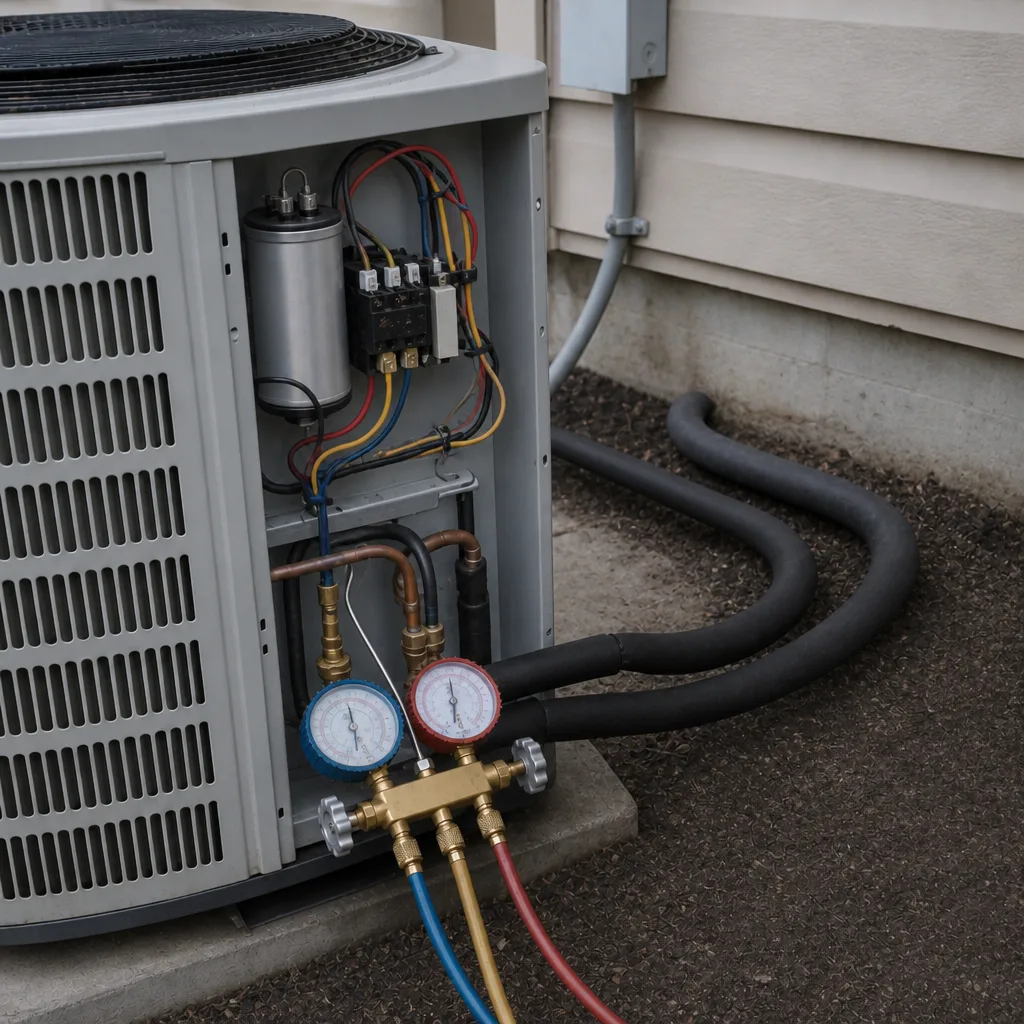 After
When to Call a Professional
Call a technician when your safe checks – thermostat, filter, breaker, outdoor unit, temperature split – don’t resolve the problem. Call sooner if you hear repeated clicking from the outdoor unit, see ice that returns after thawing, notice refrigerant lines sweating more than usual, or your system runs constantly without reaching setpoint. Any problem inside the electrical cabinet or the sealed refrigerant circuit is a professional call, full stop. Those aren’t DIY jobs, and no amount of online research makes them safe.
AC Repair Pearland offers free estimates in Pearland – call (833) 946-7622. Our technicians have up to 8 years of experience, and we work on equipment from Daikin, Carrier, Bryant, American Standard, and the rest of the nine major residential brands we cover. Repair or replace – we’ll tell you which one actually makes sense for your system and your budget.
Frequently Asked Questions
AC repair in Pearland typically costs between $180 and $650 for common fixes like capacitors, contactors, and motor replacement, while refrigerant leak searches and compressor work run higher. The written estimate sets the final price, so ask for it before work begins. Call (833) 946-7622 for an exact quote – estimates are free.
Yes, we offer same-day service for AC repair in most cases, with fast dispatch from 7am to 7pm, Sunday through Friday. We answer 24/7, so a call outside dispatch hours is booked into the next opening. Call (833) 946-7622 to get on the schedule.
A refrigerant leak means the system is losing charge and needs a leak search and repair; a frozen evaporator coil usually means restricted airflow from a dirty filter or duct problem. The symptoms look nearly identical, but the fix and the cost are very different. A technician’s first job is telling them apart – call (833) 946-7622 and describe your symptom.
Short cycling in Pearland usually points to low refrigerant, a clogged filter, a failing thermostat, or oversized equipment. In our humidity, it also leaves the house sticky and wears the compressor faster. Catch it early with a call to (833) 946-7622 – estimates are free.
Repair usually makes sense when the system is under roughly ten years old and the repair cost is a modest fraction of replacement. Replacement makes sense when the compressor is failing, refrigerant costs are recurring, or the equipment is near the end of its service life. We’ll tell you which one actually makes sense before any work begins.
Yes – we service Carrier, Trane, Lennox, Goodman, Rheem, York, Daikin, Bryant, and American Standard, among the major residential systems. We diagnose the actual equipment in your home, not a preferred brand. Nine brands, one call: (833) 946-7622.
The Bottom Line
The gap between a vague complaint and a precise one is the gap between a long diagnostic and a short one. Once you know how to read your system’s symptoms – the click, the short cycle, the temperature split, the ice – you can describe what’s happening accurately, and an accurate description gets you to the right repair faster. Pearland’s humidity and heat make that precision worth more than it would be in a milder climate. Do the safe checks, gather the numbers, and stop at the electrical cabinet and the refrigerant lines. From there, our team takes over: free estimates, brand-agnostic advice across nine major systems, and a straight answer on repair versus replacement.
Call AC Repair Pearland at (833) 946-7622 for a free estimate. We answer 24/7. Fast dispatch from 7am to 7pm, Sunday through Friday.
Written by the team at AC Repair Pearland.