
Last updated November 15, 2026
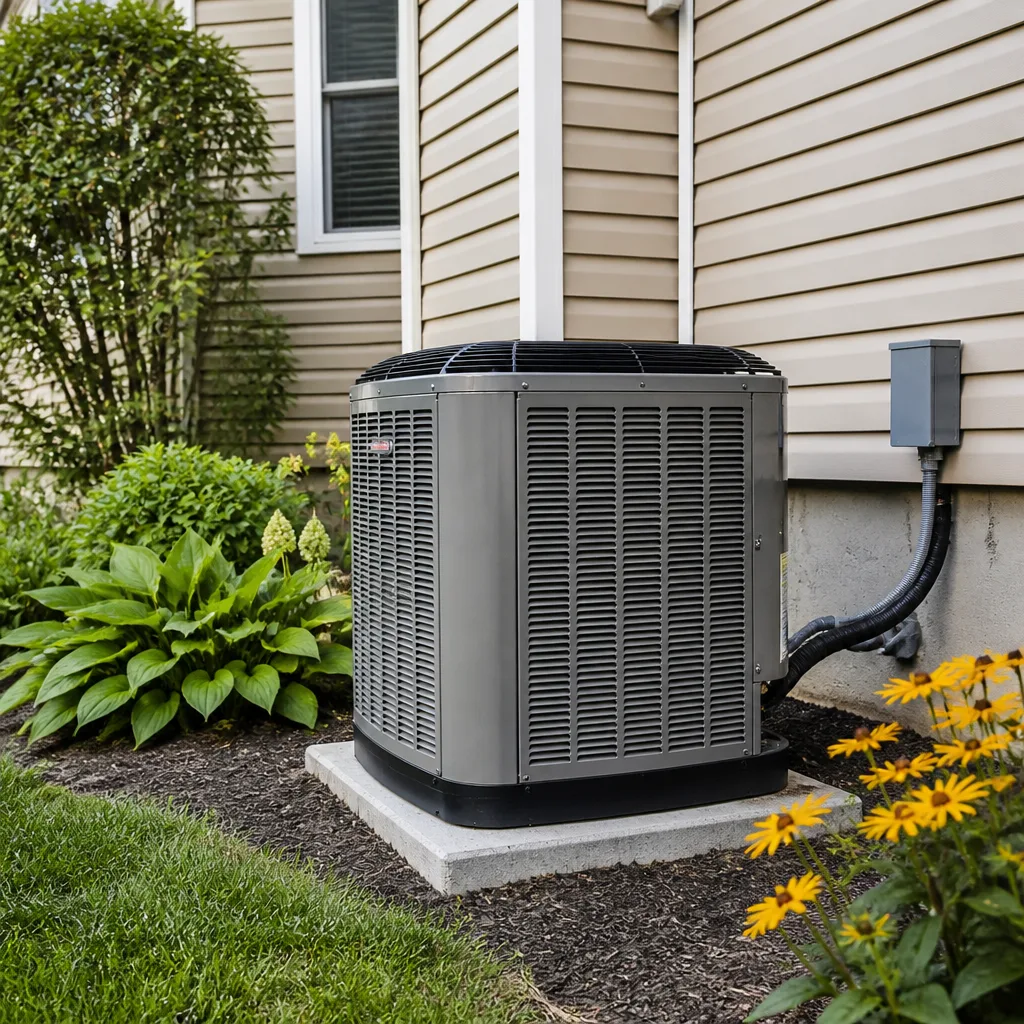 AC repair
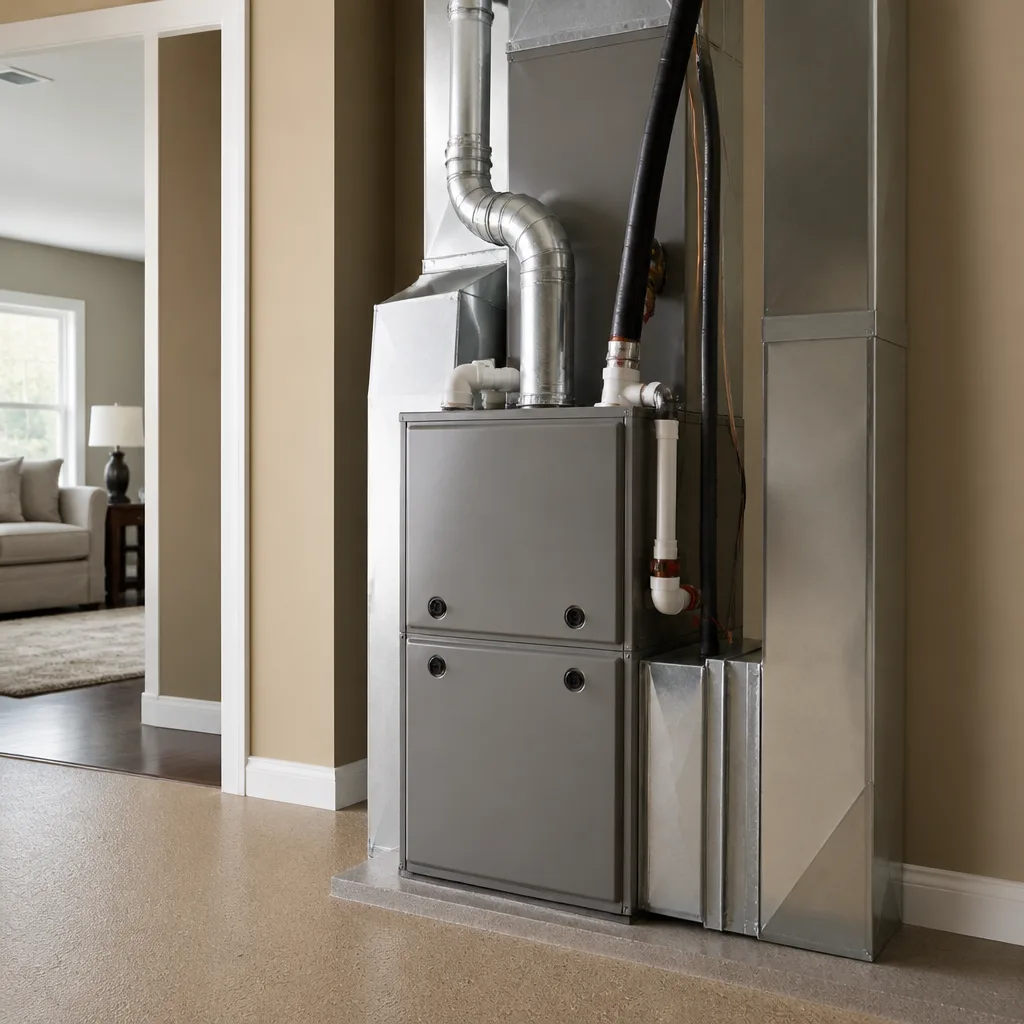 Furnace & heating
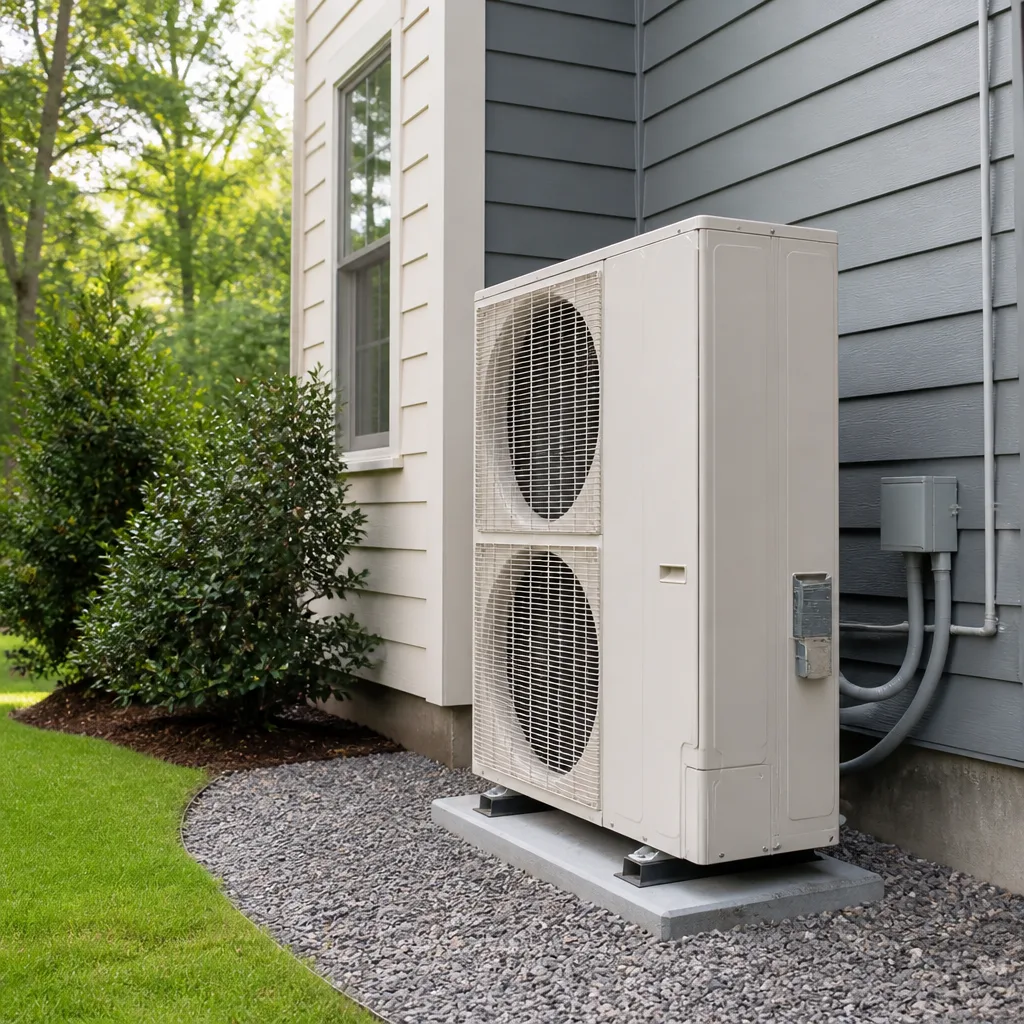 Heat pumps
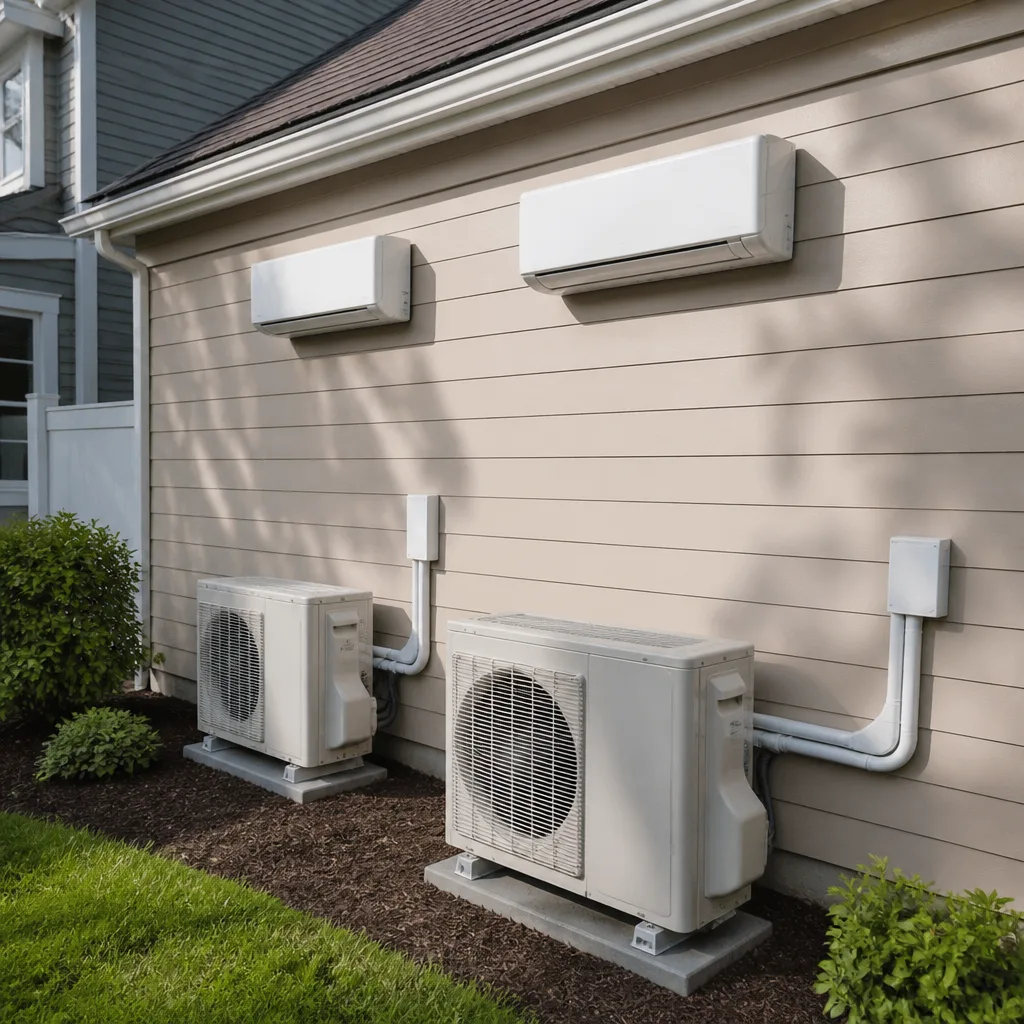 Ductless mini splits
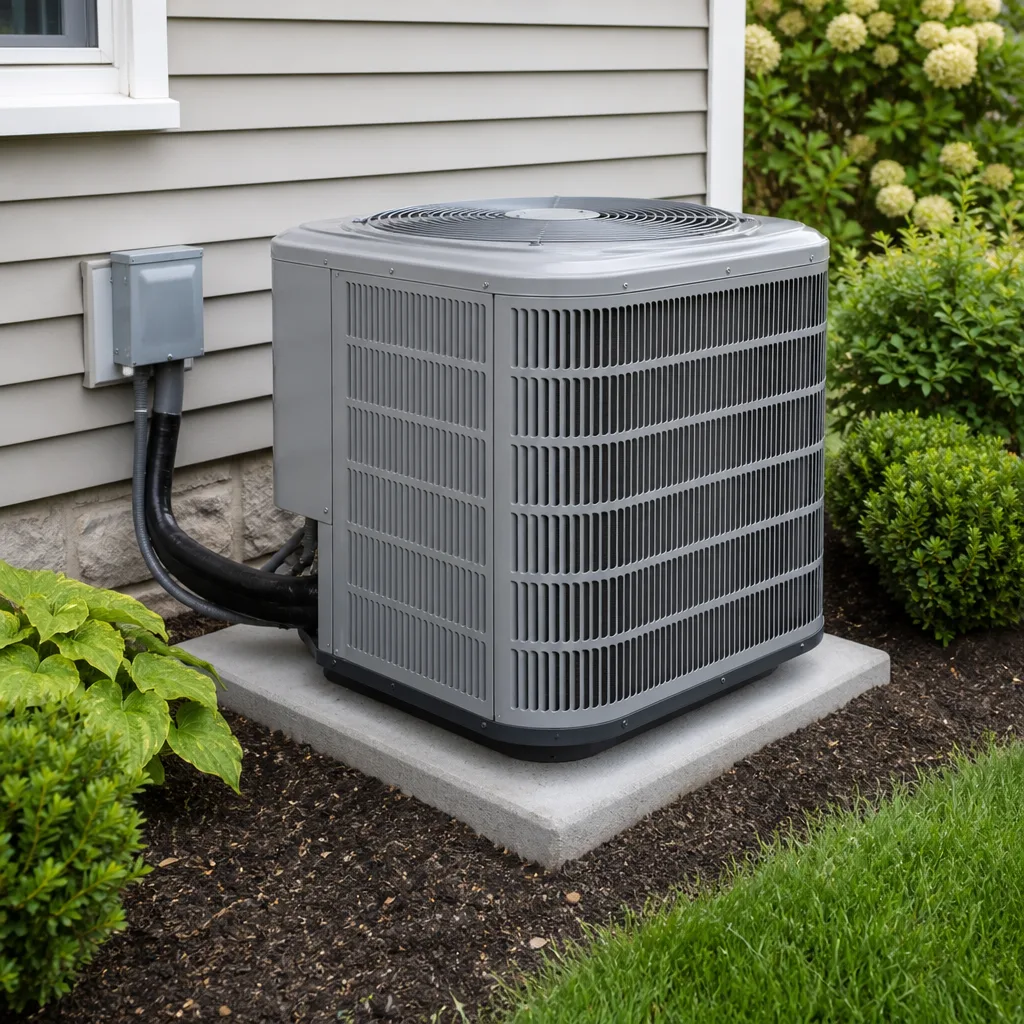 Carrier
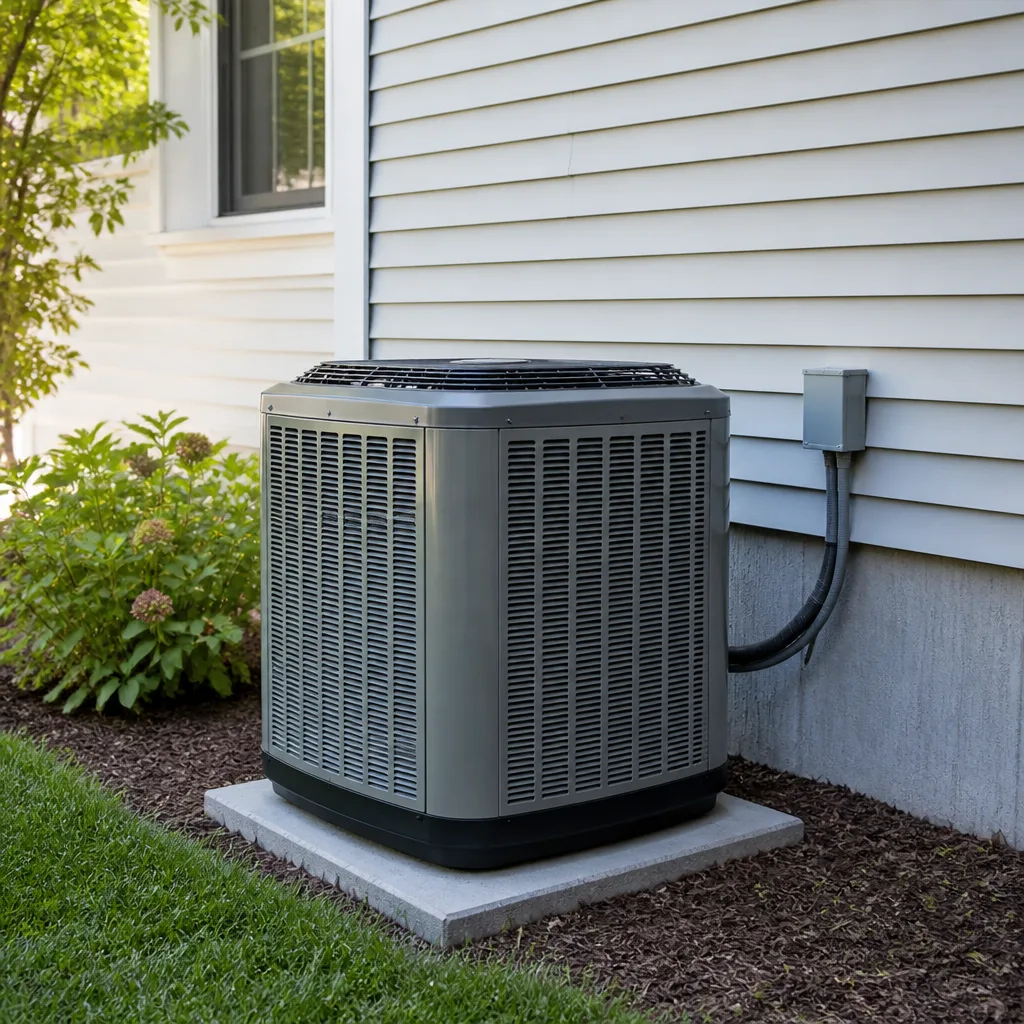 Trane
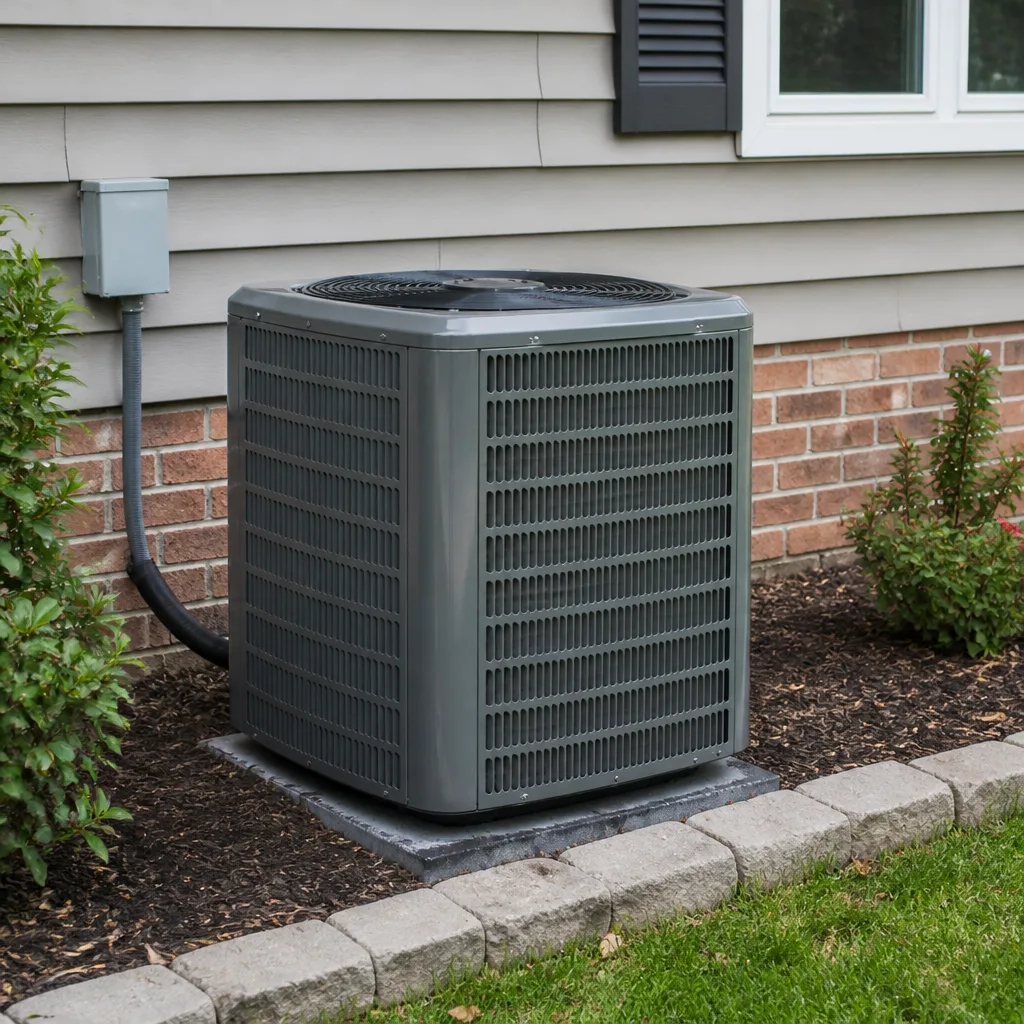 Goodman
Seasonal tune-up and full diagnostic on your Carrier, Trane, or Goodman system - readings shown to you before any repair is proposed
Diagnosis first, numbers second - you approve the repair price before a single part goes in.
Get your free estimateHVAC Emergency Preparedness Guide for Pearland Homes
Most HVAC advice assumes you’ll never face a real emergency. That’s optimistic. Pearland sits in a region where a stretch of extreme heat can push every cooling contractor in the Houston metro to capacity at once, and in those weeks the homeowner who called first isn’t always the one who gets comfort back fastest. The one who prepared first is. A portable unit staged in a closet, a breaker panel you actually understand, a plant that keeps the house livable with the air handler off for a few days, and a phone number you’ve used before go a long way when the phones are jammed.
This guide covers how to prepare for a heating or cooling emergency in Pearland before you need to, so the failure itself becomes manageable rather than frantic.
Quick Answer
An HVAC emergency in Pearland is any failure that puts a home’s occupants at risk of heat illness in summer or unsafe indoor cold in winter, or any failure that could damage the equipment further if left running. The most effective preparation is a plan that lets you keep one room livable for 48 to 72 hours, know which breaker to cut, and reach a technician quickly before peak-season queues form. Most homeowners can triage their own situation in the first 30 minutes using the steps below.
Styles & brands we work with
- AC repair
- Furnace & heating
- Heat pumps
- Ductless mini splits
- Carrier
- Trane
- Goodman
Table of Contents
- Building a Cooling Contingency Plan for a Pearland Home
- The First 30 Minutes of an HVAC Failure
- Triage: When Is It Actually an Emergency?
- Winter Freeze Protocol for Pearland
- What to Tell the Dispatcher
- Pre-Season HVAC Preparedness Checklist
- Does Brand Matter in an Emergency?
Building a Cooling Contingency Plan for a Pearland Home
When cooling fails in Pearland during a summer heat wave, the outdoor temperature often stays in the mid to upper 90s well into the evening, and the house itself becomes a heat sink. The goal of a contingency plan is to keep one room safely livable while you wait for repair, not to cool the entire home. Trying to cool every room with a portable unit is a losing battle.
Pick a single room for your safe space. Interior rooms with fewer windows hold temperature better than rooms with west-facing glass. A bedroom, a wide hallway, or a downstairs room all work. Close the door to that room, close blinds on any window it has, and use a towel under the door if there’s a gap. Keep the rest of the house ventilated through the cooler overnight hours by running window fans when outdoor air drops below the indoor temperature.
Portable AC sizing for a single room: Manufacturers typically rate portable units in British thermal units (BTU). Most 250 to 350 square foot bedrooms are well served by a 10,000 to 12,000 BTU portable unit, and a 500 to 600 square foot room needs roughly 14,000 BTU. The ratings assume a normal ceiling height and moderate insulation. If the target room has high ceilings, large unshaded windows, or an attached bathroom with an open door, add a size or two.
Portable units exhaust hot air through a window hose. Seal the window kit as tightly as you can with foam board or the included panel; leaks back up the whole plan. Position the unit so its exhaust hose runs as short and straight as possible, and never run it on an extension cord. A dedicated outlet on a 15-amp circuit is normal for most residential 12,000 BTU and smaller portable units; check the unit’s amperage label before plugging it in.
Generator load math. If you’re planning to run a portable unit off a generator during an outage, add the running watts of the AC (typically 1,000 to 1,500 watts for a 12,000 BTU unit, plus a startup surge of two to three times that) to the fridge, a few lights, and a fan. A common residential setup for a single-room plan is a generator in the 4,000 to 6,000 running watt class, and the surge rating is what actually matters when the compressor starts. Size for surge, not just running watts. Never run a generator indoors, in a garage, or in a breezeway; carbon monoxide kills.
Keep the plan simple enough that anyone in the house can execute it during a stressful afternoon. If your home has an elderly relative or young children, walk the plan through once before the heat arrives. Preparing in advance is what lets Pearland homeowners ride out a busy week without a crisis.
The First 30 Minutes of an HVAC Failure
The first half hour after a system quits is the most important, because some failures are dangerous to keep pushing and some are easily fixed at the thermostat. Work through these steps in order. If anything smells or sounds wrong, stop and call.
- Check the power supply. Confirm the outdoor unit’s breaker has not tripped and that the indoor air handler’s breaker (often on the panel near the furnace or air handler closet) is closed. Reset a clearly tripped breaker once. If it trips again, leave it off and call a technician; a repeating trip means a short or a failing component.
- Check the thermostat. Replace batteries if the display is dim or blank, confirm it’s in the right mode, and set the temperature at least 5 degrees below the current indoor reading. For heat, set it at least 5 degrees above.
- Check for a float switch trip. Many air handlers have a safety float that cuts cooling when the condensate line backs up. Look for standing water near the indoor unit or an overflow pan. If the float has lifted, the unit needs a technician to clear the drain; do not bypass the switch.
- Change a dirty filter if you have one on hand. A fully clogged filter can ice the coil and cut airflow. Do not run the system with the filter removed, though; the coil will collect dust.
- Smell and listen. A burning smell, a hot electrical odor, or a loud screech means shut the system off at the thermostat and call immediately. Do not open any panels on the indoor cabinet or the outdoor condenser to look inside; capacitors and hidden line voltage are dangerous even when the equipment is off at the thermostat but still energized at the breaker.
- If it’s heating, check the gas valve at the furnace. Confirm the manual gas shutoff is parallel to the pipe (open) and that the pilot or igniter has lit. If you smell gas, leave the home immediately and call your gas utility from outside before calling anyone else.
- Write down what you observed. Whether the outdoor fan was running, whether the compressor was audible, what the thermostat display said, and whether indoor airflow was warm or cold. This information saves diagnostic time and is exactly what a dispatcher needs.
If your triage confirms outdoor fan running but no cold air, indoor fan running with warm air, or entirely dead equipment after a reset, you’re likely into technician territory. In Pearland, “AC not cooling” during summer accounts for a big share of calls we see, and these are best handled as repair requests rather than guesswork. If you need to schedule, the fastest path is often via AC repair. If the system is completely dead and doesn’t restart after reset, stop trying things and call. If your equipment is new and still under the manufacturer’s installation warranty, have your paperwork handy when you call.
Triage: When Is It Actually an Emergency?
Not every failure is tonight’s emergency. Triaging correctly reduces your stress and gets you the appointment you actually need. Use the criteria below.
Emergency call today (or tonight)
- Anyone in the home is an infant, elderly, or has a medical condition that heat or cold could worsen, and indoor temperature has crossed out of the safe range.
- Burning smell, hot electrical odor, or visible sparking at the equipment.
- Gas smell anywhere in the home.
- Water actively running or spraying from the indoor unit or overflowing the condensate pan.
- Furnace running but the blower isn’t turning (called a “hot cabinet” in the trade). This is a fire risk; shut it off at the thermostat and call.
- Repeated breaker trips on the AC circuit.
- Furnace short cycling repeatedly, especially with an intermittent ignition lockout.
Next-available appointment (not an emergency)
- The AC is running with weak cooling but airflow is steady and drain is clear.
- Furnace lights and runs, but the temperature rises slowly.
- Thermostat is working but comfort is uneven between floors or rooms.
- Ice on the outdoor refrigerant lines but the indoor blower is running, and the filter is clean.
- Outdoor unit makes a single click and shuts off. Suspect the contactor but no risk in waiting a bit with the thermostat off.
If you’re on the fence, call and tell the dispatcher exactly what you described above. During Pearland heat waves, HVAC companies in the Houston metro see call volume climb sharply and same-day slots fill in the morning. A triage conversation protects you from both wasted visits and dangerous waiting.
Winter Freeze Protocol for Pearland
Pearland’s winters are mild, but a hard freeze happens, and local plumbing and HVAC failures concentrate in those windows. The protocol is different from summer emergencies. Heat pumps are common here, and when outdoor temperatures drop below their operating range, they go into defrost and eventually lockout, leaving auxiliary heat strips as the only source of warmth.
- Before the freeze: confirm the thermostat is set for “heat” and that auxiliary heat is enabled. Many heat pumps have a lockout or balance point that prevents the compressor from running below a set temperature; if auxiliary heat is disabled, the home will get cold during the freeze. Look for a thermostat setting like “Emergency Heat” or “Aux Heat” and know how to use it.
- When the heat pump goes into lockout: the system will usually show a lockout code on the thermostat or display, and only auxiliary strips will be heating. Auxiliary strips keep the home warm, but they work harder and cost more to run; treat that as normal behavior, not a failure.
- If the heat fails entirely during a freeze: run a slow trickle from faucets on outside walls overnight, open cabinet doors under sinks so interior air warms the pipes, and drip outdoor hose bibs if they’re not freeze-proofed. Pearland homes built on slabs are especially vulnerable at exterior wall penetrations.
- Space heater use: keep space heaters at least three feet from anything flammable, never leave one on unattended overnight, and plug directly into a wall outlet, never an extension cord or power strip.
- If it’s just cold and the heat is running: don’t set the thermostat higher than usual trying to force faster heat. Auxiliary strips work in stages and higher set points don’t speed them up.
- After the freeze: check the outdoor unit for standing water and any ice on top of the cabinet. Don’t run the AC until it’s clear. If a heat pump runs in defrost at the wrong time when it’s already cold, call; the defrost board may need service.
Furnace repair calls pile up during Pearland cold snaps just like AC calls do in summer. The pre-freeze check is what keeps a lockout from turning into a house full of cold rooms. If your system goes into lockout and won’t come out, schedule AC Repair Pearland and be ready to describe exactly what the thermostat displayed.
What to Tell the Dispatcher
Dispatchers are trained to rank calls by risk and by system behavior. The homeowner who gives the right details gets triaged correctly. What you say in the first 60 seconds matters, especially when the queue is long.
Say this: the specific symptom in technical terms. Examples: “The outdoor unit fan is running but the compressor is not,” “The indoor blower is running and the air is warm,” “The furnace lights then shuts off after about 30 seconds and won’t relight,” “Aux heat is running and the heat pump is in lockout,” “The breaker trips immediately when the thermostat calls for cool.” Each of these points a technician toward a specific failure mode, and each one signals urgency to the dispatcher.
Also say this: the equipment brand, approximate age if known, whether anyone in the home is medically vulnerable, and whether the home has cooled or heated rooms to fall back on. That last point makes a real difference; a family with a working spare room and a generator has more flexibility than a household with an infant and no alternative.
Avoid saying: “It’s broken,” “It’s not working,” “The AC is making a weird noise,” or a diagnosis you’ve read online. Those answers don’t change priority, and a wrong diagnosis can send a technician to the wrong conclusion. “Weird noise” and “not working” are common in Pearland, but they don’t tell the office how to route you. If you can only describe it as a noise, add whether the noise is coming from the outdoor unit, the indoor unit, or a vent, and whether it happens on startup or continuously.
Ask the dispatcher for the estimated arrival window, confirmation that the technician can arrive with the common parts for your brand (a good multi-brand company will), and a reminder of what to have ready at the door: filter size, equipment model number if visible, and any prior service paperwork. We answer 24/7. Fast dispatch, 7am-7pm.
Pre-Season HVAC Preparedness Checklist
Preparing in April costs a few hours of attention. Preparing in the middle of a July week in Pearland costs far more. Run this checklist once before each cooling season and once before each heating season.
- Write down your equipment details. Note the brand and model number of both the indoor air handler and outdoor condenser (or furnace and AC if split). This speeds up service and avoids a second visit for parts.
- Test the safe-room plan. Run your portable AC for 20 minutes on a mild day and confirm it cools your chosen room. Seal the window exhaust kit. Buy a second filter sized for your unit.
- Map your breaker panel. Label the indoor and outdoor HVAC breakers with stickers. Make sure everyone in the household knows where the panel is and how to shut the equipment off.
- Check the filters. Change or clean every 60 to 90 days, sooner if you have pets. Pearland’s pollen load in spring is heavy, and filters clog faster than the manufacturer’s general guidance suggests.
- Clear the outdoor unit’s surroundings. Trim landscaping back to two feet on all sides. Clear any fallen leaves or debris off the top of the cabinet. Don’t put anything on top of it.
- Walk your thermostat. Confirm the display is readable, the battery is fresh, and that it’s set to the correct mode. Save the settings in a note on your phone.
- Stage your supplies. One portable AC unit, one extension-free outlet for it, one generator (with fuel stored safely and rotated), one working flashlight per floor, and a phone charger you can plug into the generator.
- Save your service contact. Add a phone number you’ve used before to a contact labeled “HVAC.” That single step is what separates the homeowner who gets service from the homeowner who starts calling cold. If you’ve used AC installation for a new system, the installation contractor is a natural first call.
Prep months don’t feel urgent, but they’re what actually separates a rough week from a comfortable one. Local knowledge of Pearland and its housing stock (the mix of newer slab homes and older single-story builds) is worth having in your notes too, because your plan should match your actual home.
Does Brand Matter in an Emergency?
Brand matters less than people think during an emergency and more than people think during replacement. Here’s the distinction to hold onto.
When your Carrier, Trane, American Standard, or Bryant system fails, the technician’s actual job is diagnosis, not brand matching. Control boards, capacitors, pressure switches, igniters, and blower motors are broadly similar in function across brands; the differences are in part numbers and in the sequence of operations in the control board. A company that works on many brands has seen the failure you’re describing before on some system, even if not that exact model, and can usually diagnose quickly. We work on Carrier, Trane, Lennox, Goodman, Rheem, York, Daikin, Bryant, and American Standard. Nine brands. One call.
Where brand matters is in parts availability. Specialty components ship from distributors, and during a heat wave the warehouses get thin. A technician who tells you up front which part is on a truck today versus under order tomorrow is giving you honest triage. If your repair hinges on a part under a two-day lead, the safe-room plan you built for the summer is suddenly doing real work.
Where brand matters even more is when you decide the failure is the last one. At that point, the honest conversation is “repair or replace,” and the wrong answer is another unit from whichever brand gives the installer a spiff. The right answer is a system sized to your home and chosen without loyalty to one manufacturer. That’s the reason brand-agnostic installation advice belongs in a preparedness plan, not just in a sales call. If the technician diagnoses a compressor burnout or a failed heat exchanger (the latter is a safety issue with a furnace), you’re likely into replacement, and the plan for a Pearland home is best made with an installer who isn’t tied to one brand.
Common Mistakes to Avoid
- Calling cold instead of calling a number you’ve used before. During peak heat in Pearland, the number you’ve had service from before moves you through faster than a first-time call. Build the relationship while the system works.
- Cutting power at the thermostat instead of the breaker. The thermostat doesn’t de-energize the outdoor condenser or the furnace’s line voltage. Know your panel.
- Opening the indoor or outdoor cabinet for a “quick look.” Capacitors hold a lethal charge. Panels stay closed unless you’re a trained technician.
- Bypassing the condensate float switch. A lifted float is doing its job. Bypassing it sends water across your floor. Fix the cause, don’t cut the switch.
- Running the AC with a dirty filter or a visibly iced coil. You can turn a small repair into a compressor replacement. Shut it off, change the filter, and let the ice clear naturally.
- Buying a portable unit without checking the window kit. A sloppy exhaust seal pulls hot outdoor air right back into the room. Fit matters as much as BTU rating.
- Setting the thermostat to emergency heat for a summer outage. Emergency heat is a heat pump function. If your summer AC fails, emergency heat does nothing but confuse the diagnostics.
- Using a space heater near bedding or an unattended room. Space heaters cause home fires every winter in homes that lose heat. Keep them three feet from anything flammable, and don’t sleep with one running.
See the difference
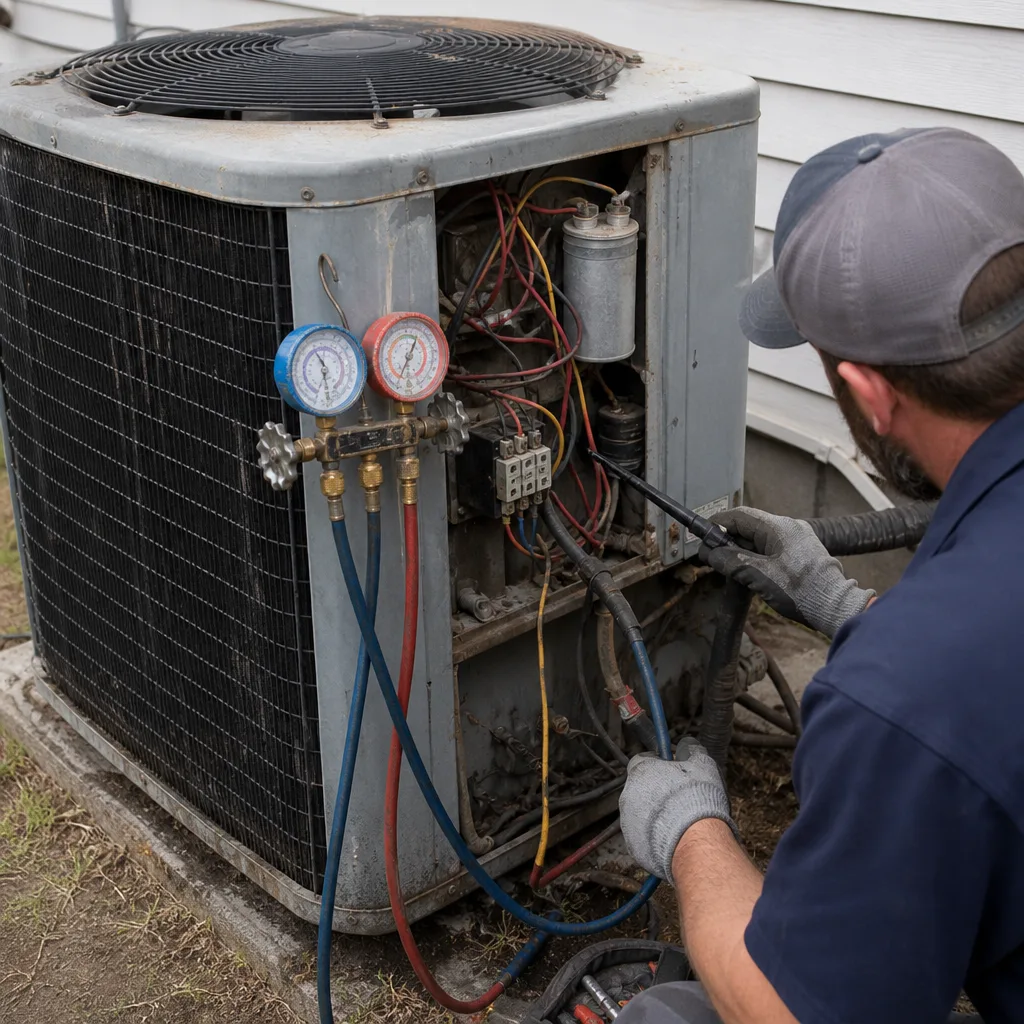 Before
 After
 Before
 After
 Before
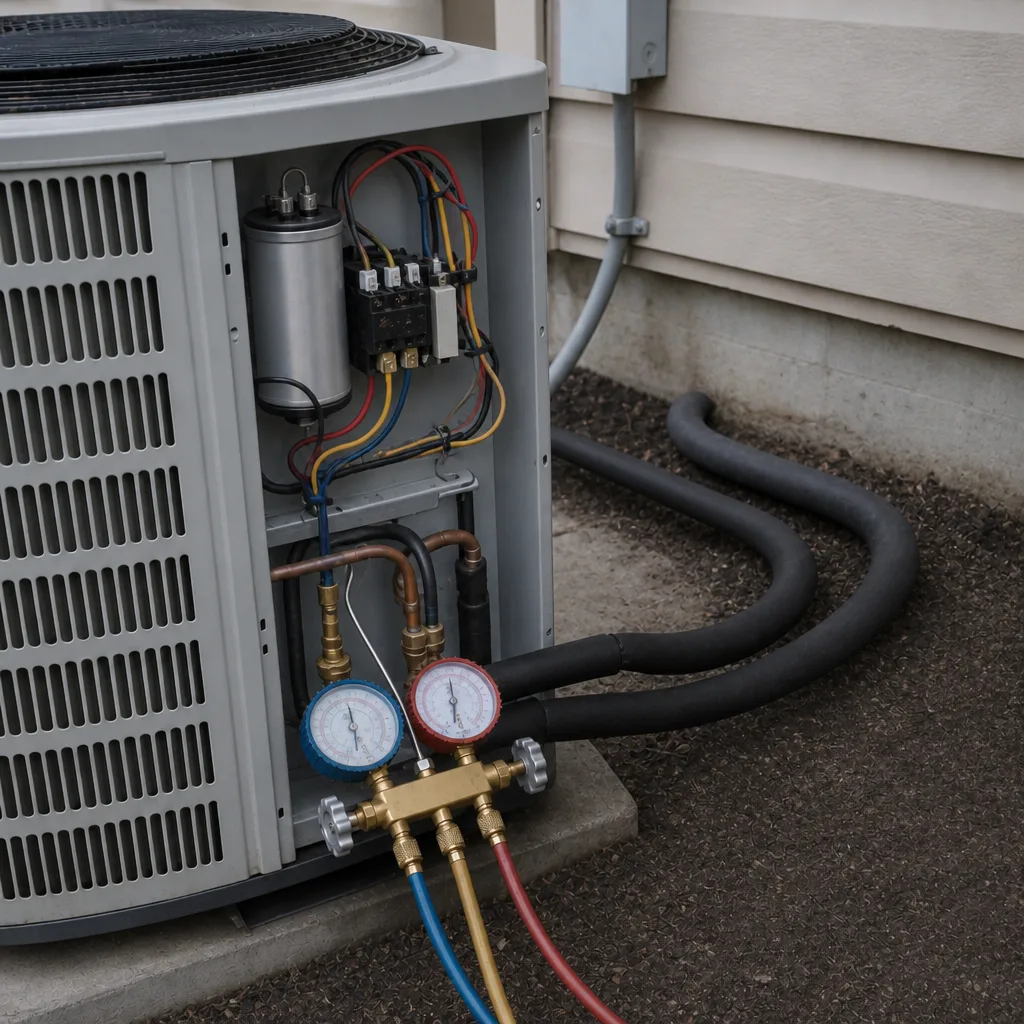 After
When to Call a Professional
Call a technician whenever a symptom involves electricity at the equipment, gas anywhere in the home, water escaping the indoor unit, a furnace that lights and shuts off repeatedly, or indoor temperature climbing past a safe range for anyone in the household. Call for repeated breaker trips on the AC circuit. Call when a heat pump goes into lockout during a freeze and won’t come out of auxiliary heat. Call for any burning smell, and call after any visible or audible failure you can’t explain in technical terms. Call also when you’ve fixed the obvious issue (filter, thermostat, breaker) and comfort hasn’t returned; a hidden cause like low refrigerant or a failing blower motor usually needs a diagnosis the homeowner can’t do safely. AC Repair Pearland offers free estimates in Pearland. Call (833) 946-7622. We answer 24/7. Fast dispatch from 7am to 7pm, Sunday through Friday.
Frequently Asked Questions
Check the thermostat first, then the indoor and outdoor breakers, then the filter and the condensate float. If the system doesn’t restart after a single breaker reset and a fresh filter, stop and call. A trained technician can usually tell from your description alone what to bring.
Without cooling in a Pearland summer, indoor temperatures can climb to dangerous levels within several hours in a home with the windows closed. The safe-room plan is designed to keep one room livable for 48 to 72 hours while you wait for a repair. If anyone is vulnerable, don’t wait; call today.
Yes, if the generator’s surge rating covers the peak startup draw. For most 12,000 BTU portables, plan for at least 3,000 to 4,500 watts of surge capacity on top of whatever else is running. Total your loads and size up, not down. Never run a generator indoors or in an attached garage.
A heat pump locks out when outdoor temperatures drop below its operating range, and auxiliary heat strips take over. That’s normal. The problem is when auxiliary strips fail or aren’t enabled; the home cools fast in a freeze. If the thermostat shows lockout and the heat strips aren’t warming the home, call.
Repair makes sense when the fault is a single failed component (a capacitor, contactor, blower motor, or igniter) and the rest of the system is in decent shape. Replace when the fault is a compressor burnout, a cracked heat exchanger, or a repeated failure within a short window. A straight diagnosis should tell you which one you’re facing before any work is quoted. Call (833) 946-7622 for a free estimate that spells out both options.
Describe the symptom in technical terms. “Outdoor fan running, no cold air,” “furnace lights and shuts off after 30 seconds,” “aux heat running with heat pump in lockout,” and “breaker trips on call for cool” all signal urgency. General words like “broken” or “not working” won’t change priority. Also tell them about anyone in the home with heat or cold sensitivity.
Yes. A prior service relationship means your equipment details and history are already in the system, and the office can route your call faster. If your home recently had AC Repair Pearland out for a tune-up, that number is the one to call when the system fails.
The Bottom Line
HVAC emergencies in Pearland are best handled the same way you handle any other household risk: you plan first and hope you never need the plan. Build a safe-room cooling plan with a tested portable unit and generator math. Learn your breaker panel. Keep filters on hand. Run a pre-freeze check on your heat pump every fall so auxiliary strips are enabled. And save a technician’s number while everything works. Nine brands. One call. When the phones are busy, the homeowner who prepared first is the one who gets comfortable first. Call (833) 946-7622 for a free estimate. We answer 24/7. Fast dispatch from 7am to 7pm, Sunday through Friday.
Written by the team at AC Repair Pearland.