
Last updated November 15, 2026
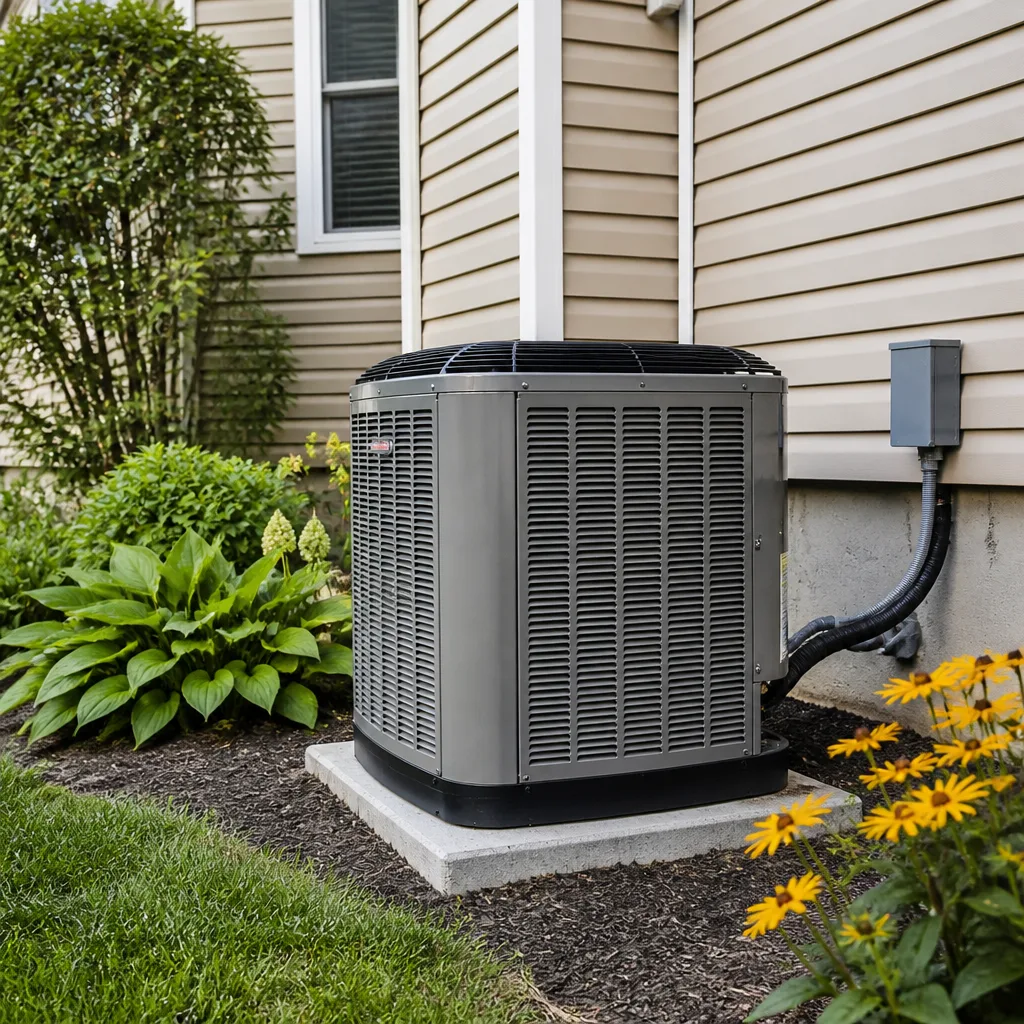 AC repair
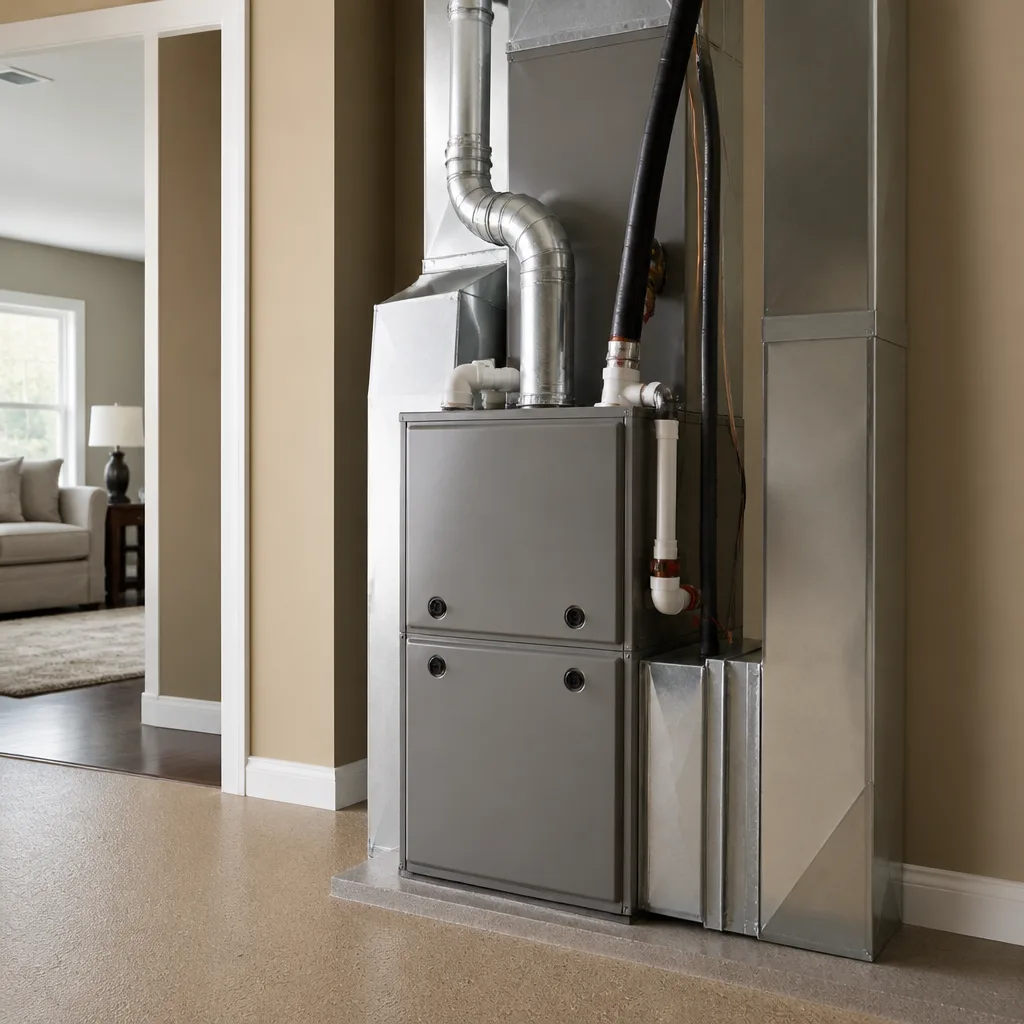 Furnace & heating
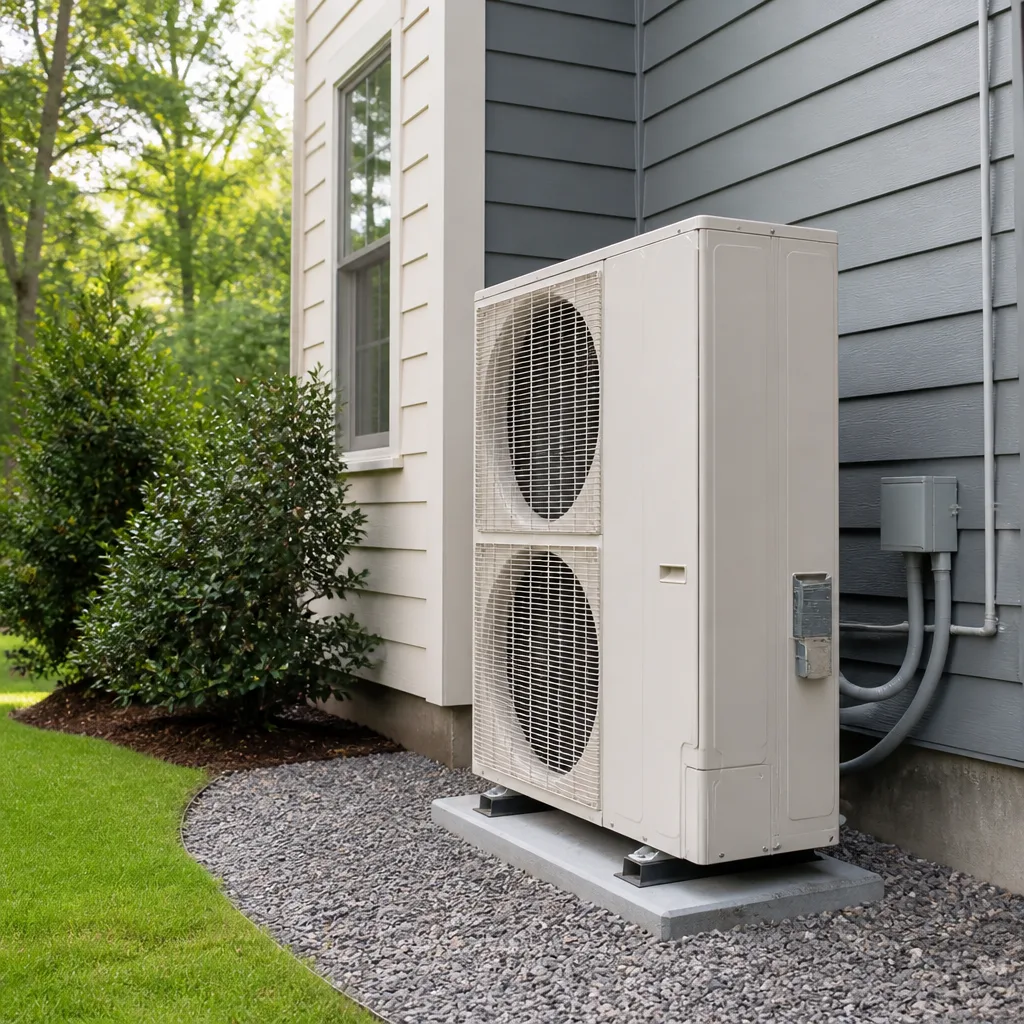 Heat pumps
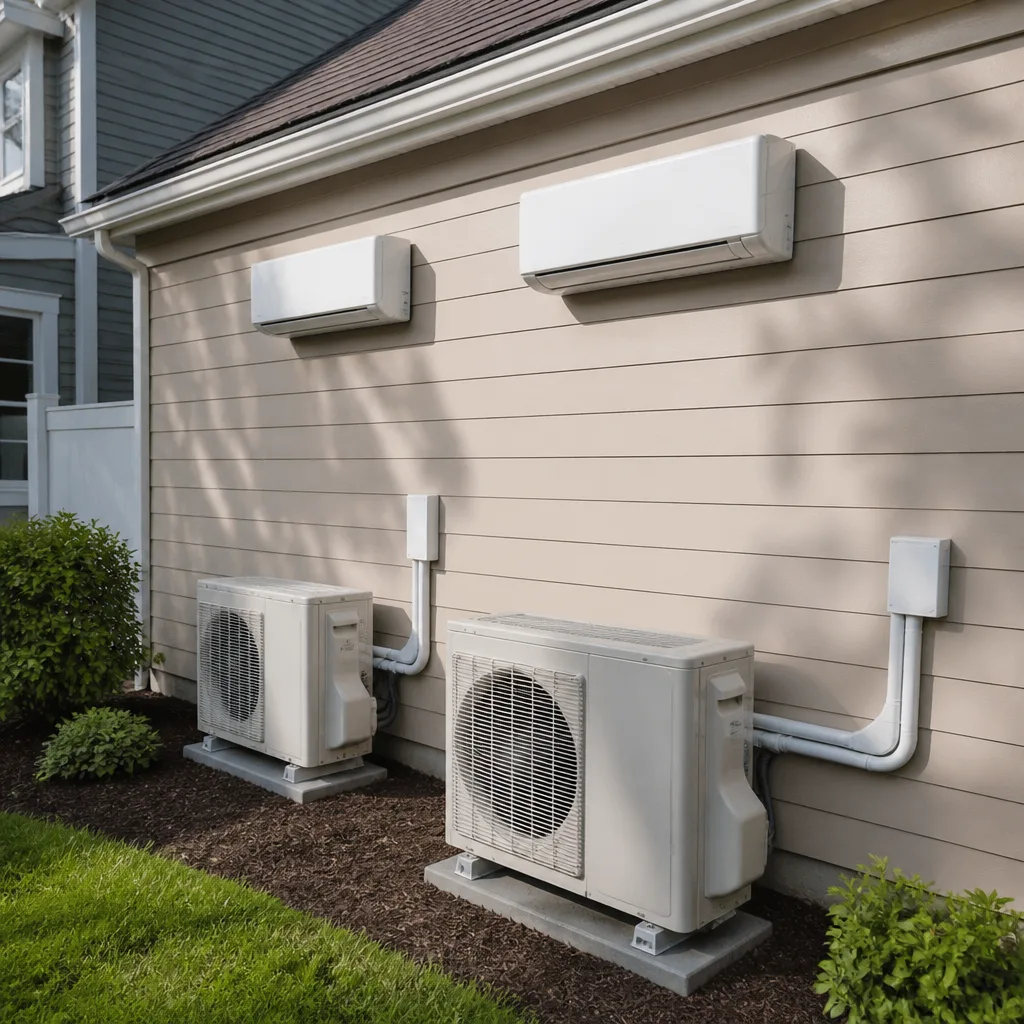 Ductless mini splits
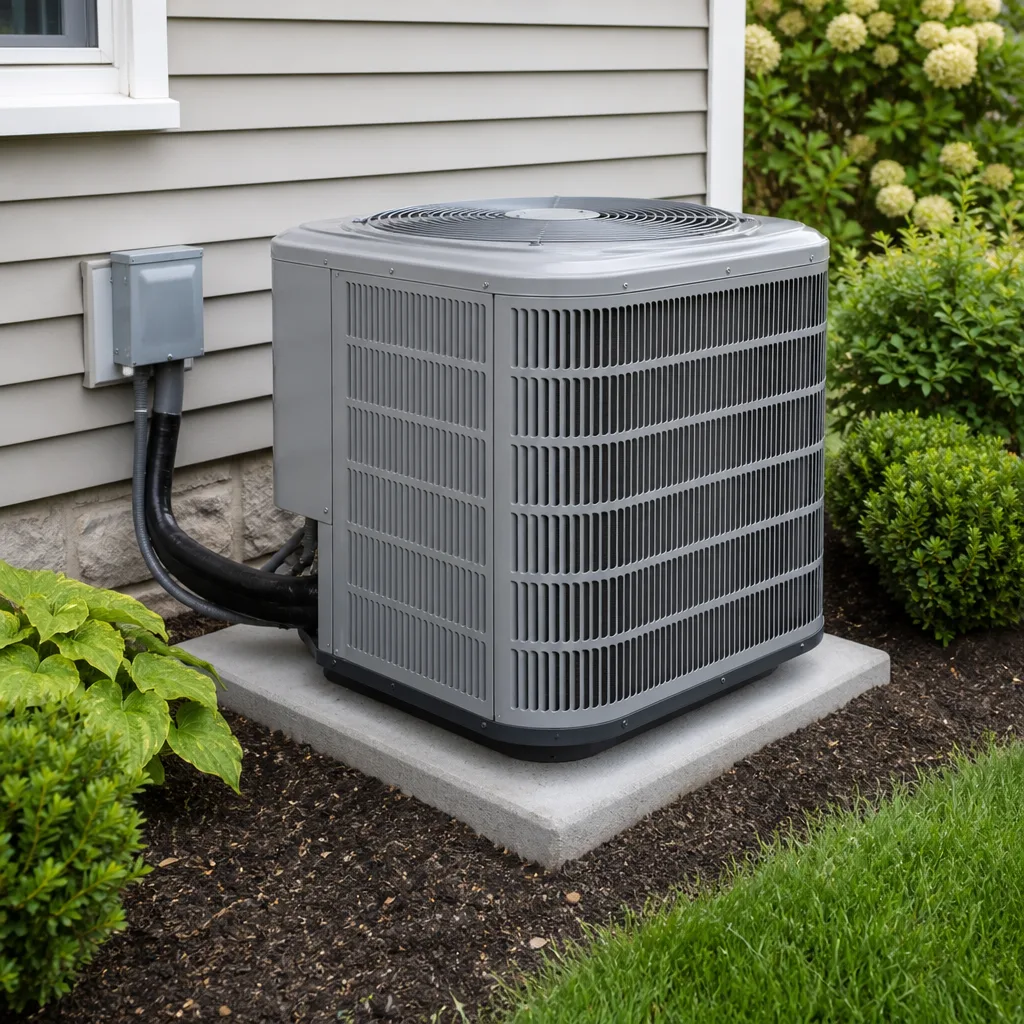 Carrier
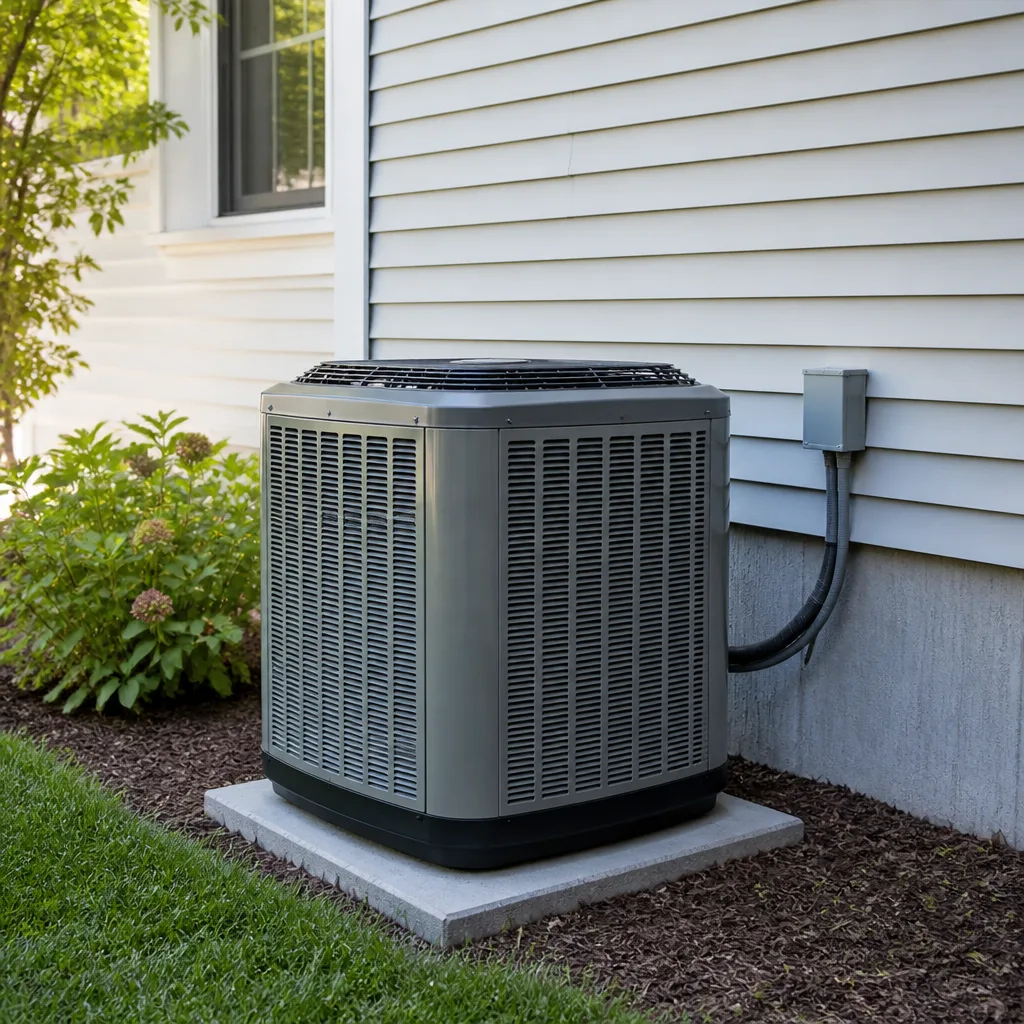 Trane
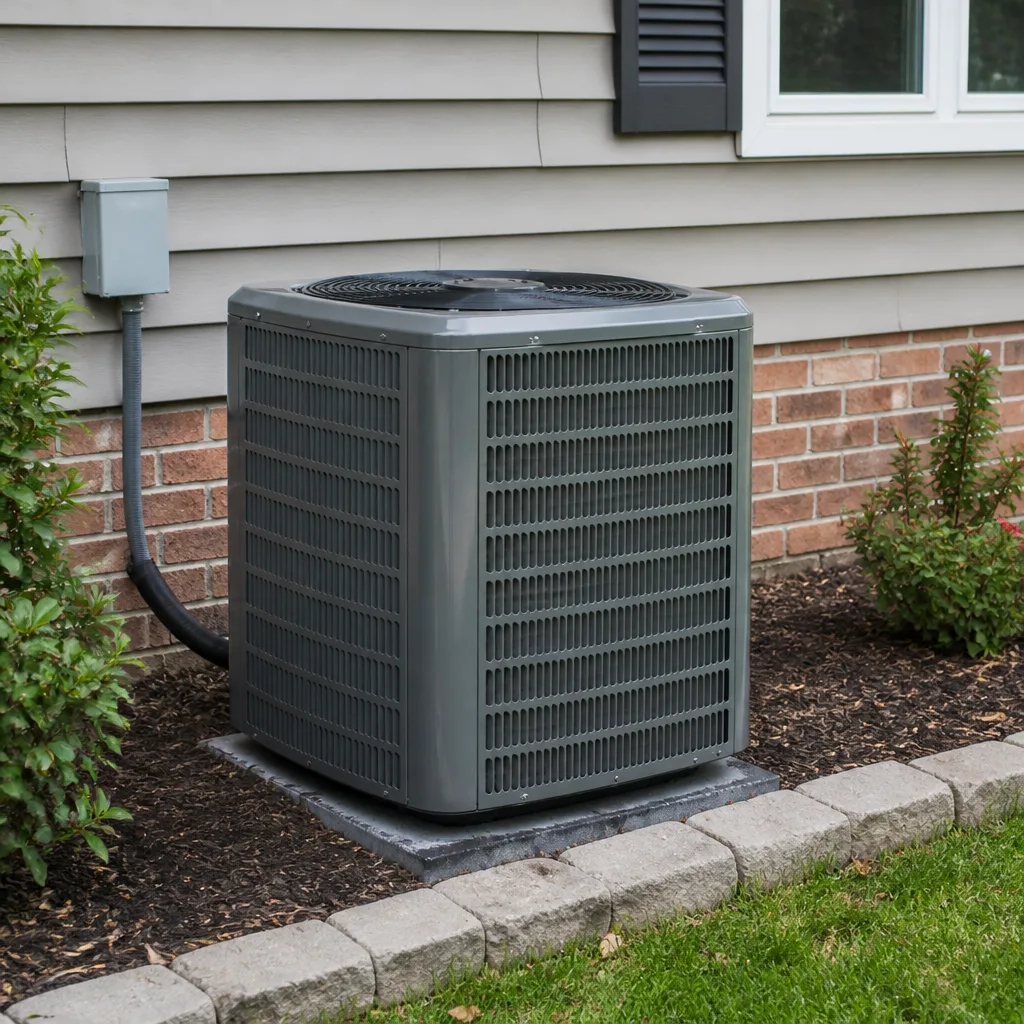 Goodman
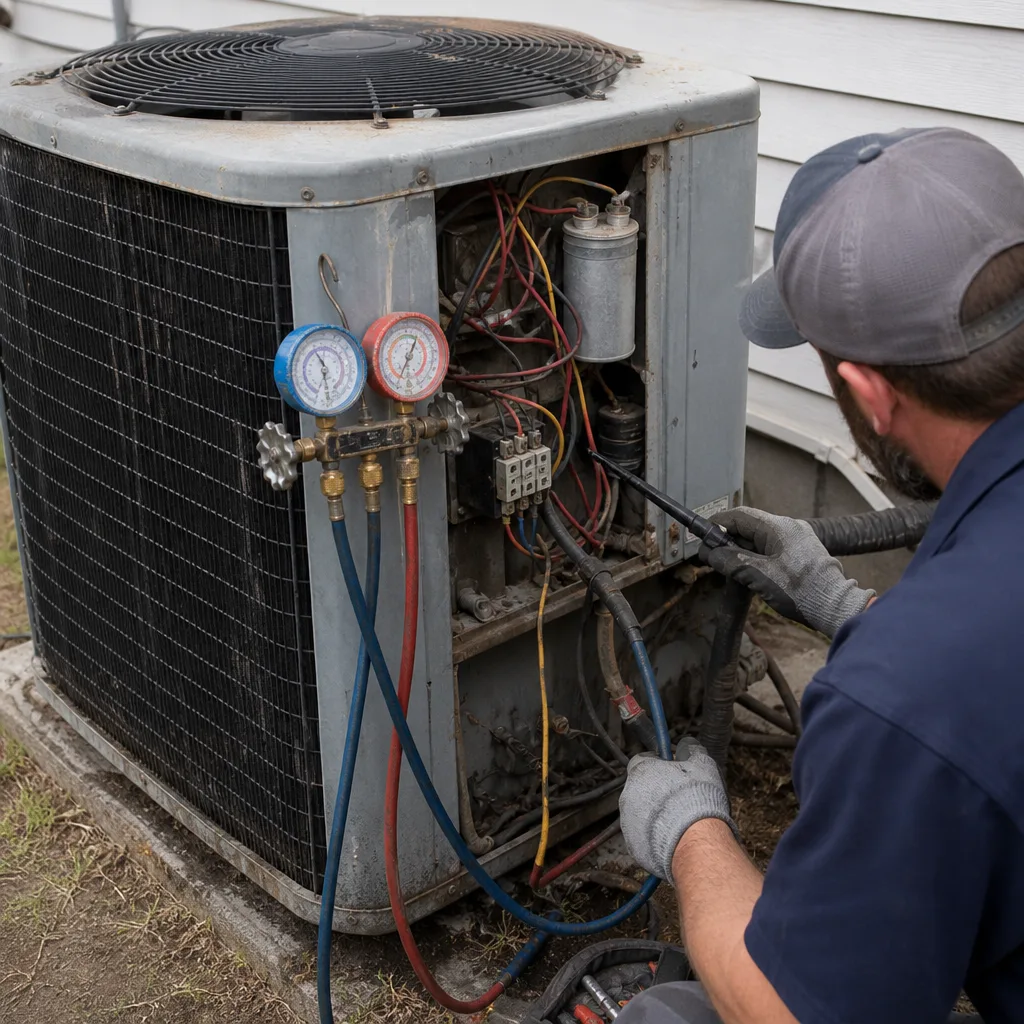
Seasonal tune-up and full diagnostic on your Carrier, Trane, or Goodman system - readings shown to you before any repair is proposed
Diagnosis first, numbers second - you approve the repair price before a single part goes in.
Get your free estimateChoosing the Right HVAC Brand: A Buyer’s Guide for Pearland
Ask five HVAC dealers which brand is best and you’ll get five confident answers, usually matching whatever’s on their truck. That’s not an accident. Brand loyalty in this trade is often a dealership arrangement wearing a marketing costume, and the homeowner ends up paying for it. Here’s the more useful truth: the lettering on the cabinet tells you less about how long a system lasts in Pearland than the spec-sheet details nobody puts on a brochure. This guide walks through the coil coatings, drain pans, parts availability, warranty fine print, and the 2026 refrigerant transition that actually decide whether your next system runs comfortably for a decade or starts nickeling you at year six.
Quick Answer
For most Pearland homes, the “best” HVAC brand is the one whose local distributor keeps parts in stock and whose system is installed correctly for our heat and humidity. Brand name ranks below installation quality, correct sizing, and a properly matched coil and drain setup. Buy on specs and local support, not on a dealer’s preferred label.
Styles & brands we work with
- AC repair
- Furnace & heating
- Heat pumps
- Ductless mini splits
- Carrier
- Trane
- Goodman
Table of Contents
- Why the HVAC Brand Wars Are Mostly a Dealer Loyalty Program
- The Spec-Sheet Items That Actually Matter in Pearland’s Humidity
- Local Parts Availability: The Factor That Decides How Long You Wait
- Registered vs. Unregistered Warranty: What the Fine Print Means for You
- How to Spot a Contractor Pushing What They Stock
- The R-454B Transition and What It Means for a 2026 Purchase
- Repair or Replace? Sorting Out the Honest Math
- Matching the System to the House, Not the Brochure
Why the HVAC Brand Wars Are Mostly a Dealer Loyalty Program
The Carrier dealer tells you Carrier is best. The Trane dealer tells you Trane is built different. What neither mentions is that both systems very likely run a compressor from the same handful of manufacturers and sit in cabinets assembled with comparable components. The nameplate changes; the underlying supply chain barely does.
That’s not a knock on any of these names. Carrier, Trane, Lennox, Goodman, Rheem, York, Daikin, Bryant, and American Standard all build solid equipment. Each has strengths. But the gap between them is far narrower than the gap between a system installed correctly and one installed carelessly, and in our experience across Pearland homes, installation quality is what separates a system that reaches 12 years from one that struggles past eight.
Why does installation matter more here than in cooler climates? Because a Pearland cooling system runs hard for months on end. The unit spends the summer working against Gulf humidity, cycling through heavy cooling loads, and draining condensate constantly. A system that’s slightly oversized, has a sloppy refrigerant charge, or air-seals poorly will show that strain quickly. A well-installed system of any major brand handles the same conditions with room to spare.
So the practical advice is this: stop shopping for a brand and start shopping for a measurement-driven install and a technician who can explain the why behind each recommendation. We work on nine major brands precisely because the equipment isn’t the deciding factor, the diagnosis and installation are. If you want the repair side explained in plain terms, AC Repair Pearland is a good starting point.
The Spec-Sheet Items That Actually Matter in Pearland’s Humidity
Gulf humidity is the stress test every HVAC system in Pearland passes or fails. The three spec-sheet items below do more to determine long-term reliability in this climate than the logo on the front panel. Ask about all three before you sign anything.
Coil Treatment
The indoor evaporator coil is where condensation happens all summer long, so it lives in a permanently wet environment. Two common constructions handle that differently.
- Spine Fin coils use a spine-like fin surface and are known for holding up well in humid settings, though they can be harder to clean thoroughly when debris builds up.
- Aluminum microchannel coils offer a compact, all-aluminum design that resists galvanic corrosion, but the small passages demand careful cleaning and a good filter routine.
The right answer depends on your filter habits and maintenance. The wrong answer is ignoring the question entirely, which is what happens when brand loyalty replaces spec-sheet talk.
Drain Pan Material
This is the single most underdiscussed part of a Pearland install. The drain pan sits underneath the coil collecting gallons of condensate every summer week. Plastic pans resist rust but can crack over time. Galvanized steel pans are stronger but will rust if drainage is poor. Ask what the pan is made of and how condensate leaves the unit. A good drain design protects the pan and the ceiling beneath it.
Cabinet Galvanization
The outdoor cabinet faces our sun, rain, and long humid stretches. A well-galvanized, well-sealed cabinet resists rust far longer than a thin, lightly coated one. Look for tight seams and a racked cabinet, not just a pretty paint job.
None of these items are brand-specific. That’s the whole point. Goodman might use one coil style, Daikin another, Rheem another still, but what you actually want is a coil you can maintain, a pan that drains well, and a cabinet that holds up. Ask for those, and you’ve already out-shopped most buyers.
Local Parts Availability: The Factor That Decides How Long You Wait
Here’s where brand genuinely earns its keep. When a system fails in Pearland in July, the question isn’t which brand is more reliable in a lab, it’s who in the Houston market has the replacement part on hand today. A great brand with a three-day wait on a compressor leaves you sweating; a solid brand with same-day distributor stock gets you cool by dinner.
The brands on our service list vary in local stock depth, and that variation changes with the year. Distributors that invest in Houston-area inventory tend to keep high-volume residential parts, capacitors, contactors, blower motors, and coils for the names they support most heavily. Smaller or newer lines sometimes require a multi-day order on anything beyond a common part.
Before you commit to a piece of equipment, ask your installer two questions:
- Which distributor holds parts for this brand closest to Pearland, and how quickly can they get a replacement compressor or coil?
- Do they stock the coils and motors for this model, or do they order them?
A contractor who can’t answer those on the spot is selling a label, not a support system. If you’re already sitting on a system with a failed part, AC repair is usually the faster path than waiting on a replacement, and a good technician will tell you honestly which makes more sense.
Registered vs. Unregistered Warranty: What the Fine Print Means for You
Every major manufacturer runs a registered and an unregistered warranty track, and the difference is real money. Here’s the frank version.
- Registered warranty: When a new system is registered with the manufacturer, typically within a short window after install, the homeowner usually gets the full equipment warranty a brand advertises, often around ten years on parts for many residential lines.
- Unregistered warranty: Without that registration, many manufacturers default to the base term, frequently five years. That’s a large gap you either capture or lose based on paperwork, not on brand quality.
The catch is that registration usually depends on the installing contractor submitting the information at the time of install. Some homeowners find out years later that their “10-year warranty” was never registered and quietly reverted to five. Ask directly: Will you register this system for me, and can I get the confirmation? Get a yes in writing.
Also read the labor side. Equipment warranties cover parts, not the technician’s time, and a failed part often carries a significant labor cost to replace. Ask what labor coverage, if any, comes with the install, and whether it lasts as long as the equipment term.
One more note for Pearland buyers who bought a home with a system already in place: check whether the warranty was ever registered by the prior owner. You may be able to re-register in some cases, and it’s worth a call before paying out of pocket for a covered part.
How to Spot a Contractor Pushing What They Stock
Nobody blames a contractor for recommending a brand they know and carry, but you deserve to know whether a recommendation is a genuine fit or a stocking preference. A few questions separate the two quickly.
- “If I asked for a different brand at the same spec level, would you install it?” A brand-neutral contractor says yes and explains the spec tradeoffs. A pushy one stalls or casts doubt on every alternative.
- “What’s your relationship with this manufacturer?” Dealership, distributor incentive, or simply a long familiarity? All are valid, but you deserve the answer.
- “Which brands do you not carry, and why?” A technician who can name two or three lines honestly and explain why they don’t recommend them for your situation is a technician worth trusting.
- “Can you show me the load calculation?” Correct sizing depends on a proper calculation, not a guess based on the old unit’s tonnage. If the recommendation arrives without one, the brand is the least of your problems.
We lean on brand-neutral recommendations because we work on so many systems. We repair Carrier, Trane, Lennox, Goodman, Rheem, York, Daikin, Bryant, and American Standard, so recommending what we prefer to sell would only box us in. The right unit is the one sized for the house, matched to the ductwork, and backed by local parts support. If you want a second opinion on a quote you’ve already received, a free estimate from an independent view settles a lot. For the install side, AC installation lays out how we approach sizing and setup.
The R-454B Transition and What It Means for a 2026 Purchase
The HVAC industry is moving to a new refrigerant, R-454B, and the transition is worth understanding before you buy. R-454B carries a lower global warming potential than the R-410A that’s been standard for years, and federal rules have been phasing it in. Different manufacturers have taken different paths to get there.
- Some have committed to full lineup transitions, moving their entire residential range to R-454B equipment.
- Others have rolled out the new refrigerant across select models first, leaving a mix of R-410A and R-454B equipment on the market through the transition.
Why does that matter for a Pearland homeowner in 2026? Three practical reasons:
- Parts and service familiarity. A contractor who works on many brands and has already been trained on R-454B equipment is better positioned to service your new system in its first few years.
- Future refrigerant availability. As R-410A supplies tighten under the phase-down schedule, system models that rely on it may face higher recharge costs down the road.
- Exit timing. If you’re replacing a 2015-era system, you may end up with the last of one generation or the first of the next. Ask the contractor what refrigerant the system uses, and what that means for service over the next decade.
The brand you pick matters less here than whether the contractor has a clear answer when you ask. If they shrug at the R-454B question, that’s useful information.
Repair or Replace? Sorting Out the Honest Math
This is the question most HVAC sales pitches skip: is replacing actually the right call? The honest answer depends on a handful of factors that a good technician will walk you through, on paper, before anyone pulls a permit.
Consider repair first when:
- The system is under roughly 10 years old and the failure is a common part like a capacitor, contactor, or blower motor.
- The repair cost is a modest share of replacement and the system has been running reliably the rest of the year.
- The equipment is still under a registered parts warranty, which reduces your out-of-pocket cost.
Consider replacement when:
- The compressor or coil has failed and the equipment is in the back half of its expected life.
- You’re facing a repeat repair cycle on the same system within a year or two.
- The system is undersized, mischarged, or matched to ductwork that causes constant strain.
In Pearland, the climate pushes systems hard, so age and wear matter more than they might in a mild climate. But that doesn’t make replacement automatic. We present repair and replacement side by side with real numbers and let the homeowner decide. If replacement is coming either way, ask about the parts availability, registered warranty, and refrigerant points above before you sign.
Matching the System to the House, Not the Brochure
The last piece of the puzzle is the one brochures never cover: your house. Square footage is only a starting point. A well-insulated single-story home with newer windows and shaded exposure needs a different capacity than a two-story with west-facing glass and a hotter attic load, even at similar square footage. A contractor who skips the load calculation and simply installs the same tonnage as the old unit is guessing.
Ask whether the install includes a proper load calculation, a duct inspection, and a refrigerant line assessment. Ask how the contractor will verify the system is charged correctly and the airflow is balanced once it’s running. A good install is checked and adjusted, not just assembled.
If you’re in Pearland and you want a straight read on your system rather than a sales pitch, Pearland is where we do most of this work. We’ll tell you what your equipment actually needs, whether that’s a repair, a matched replacement, or a conversation about optimizing what you already have. Our technicians have up to 8 years of experience across the nine brands we service, which means the diagnosis is grounded in the system in your home, not a preferred brand on a spec sheet.
Heating isn’t a separate call, either. Furnace repair comes through the same team, so you’re not stitching together two contractors for one house’s comfort. If your AC is on its last legs and your furnace is doing fine, both can be assessed in one visit.
Common Mistakes to Avoid
- Buying a brand name instead of a system. The nameplate is the least predictive spec on the equipment. Ask about coil, pan, cabinet, and sizing before you ask about brand tier.
- Skipping the load calculation. A slightly oversized system in Pearland cools fast but runs short cycles, which leaves humidity hanging in the house and stresses the compressor over time.
- Never confirming the warranty was registered. Many homeowners discover at year four that the “10-year” warranty was never submitted. Get written confirmation at install.
- Ignoring local parts stock. A brand with a two-day wait on a compressor leaves you with a hot house. Ask which local distributor carries the parts for the model you’re considering.
- Signing a quote without a written, fixed price. A verbal estimate can shift. Get a written estimate that sets the final price before any work begins.
- Letting a dealer talk you out of a repair that’s still viable. Some systems have years left. Ask for the honest repair-vs-replace math, not a replacement recommendation by default.
- Overlooking the drain pan and condensate path. Cheap pan and poor drainage designs cause water damage in humid climates. Ask about both.
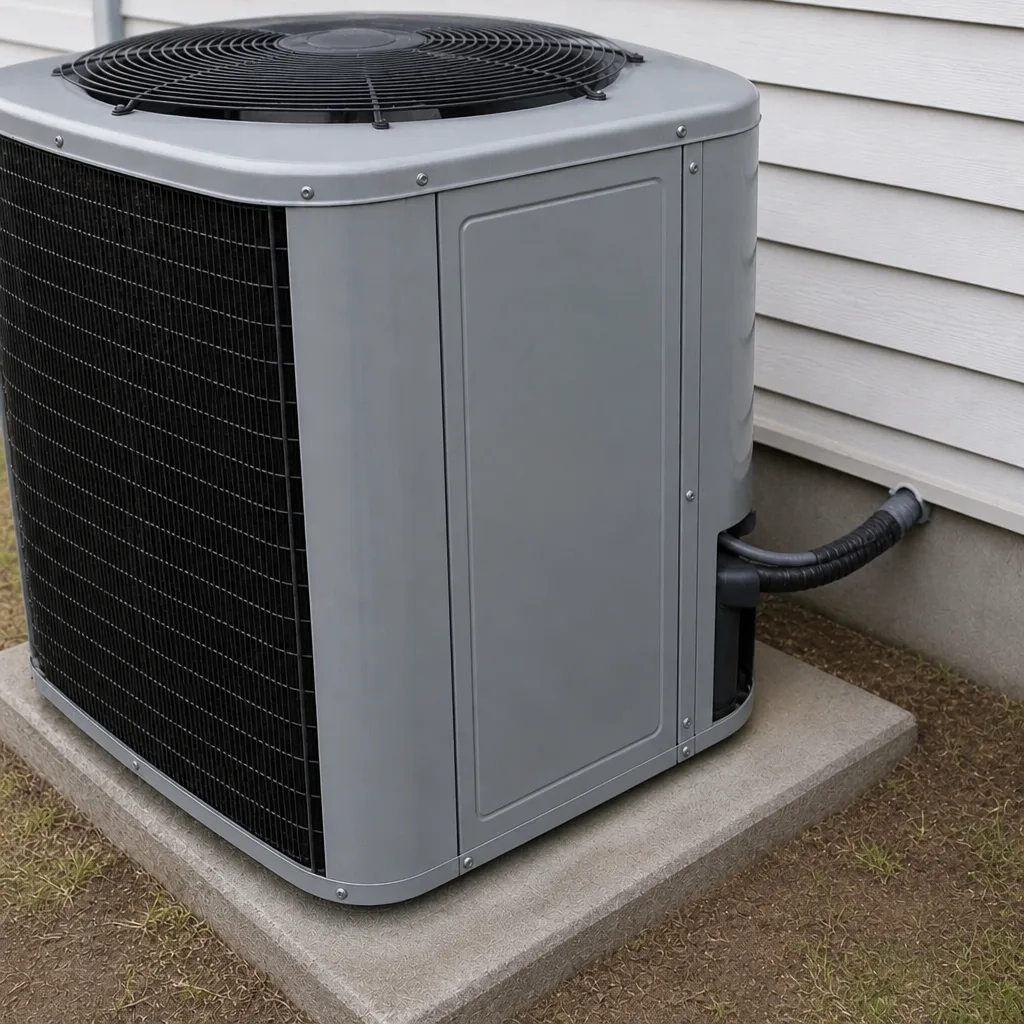
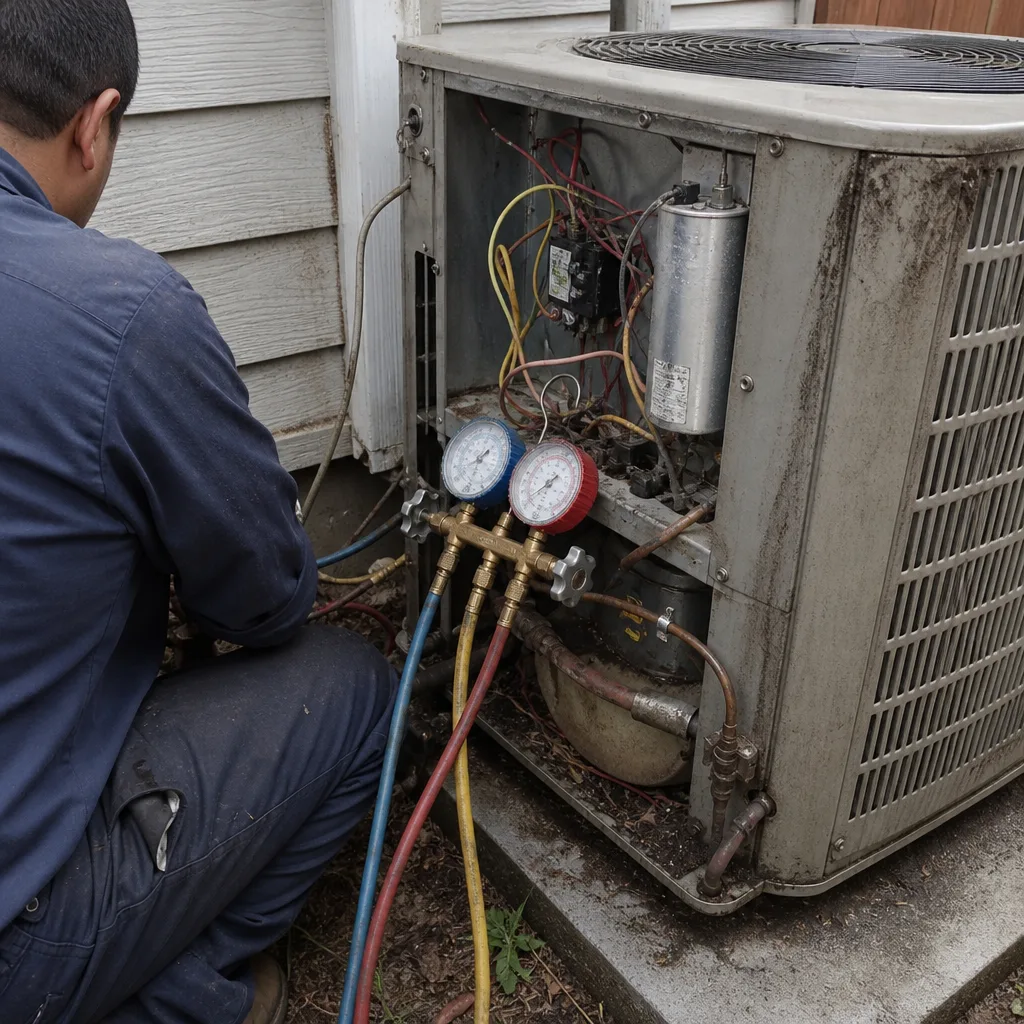
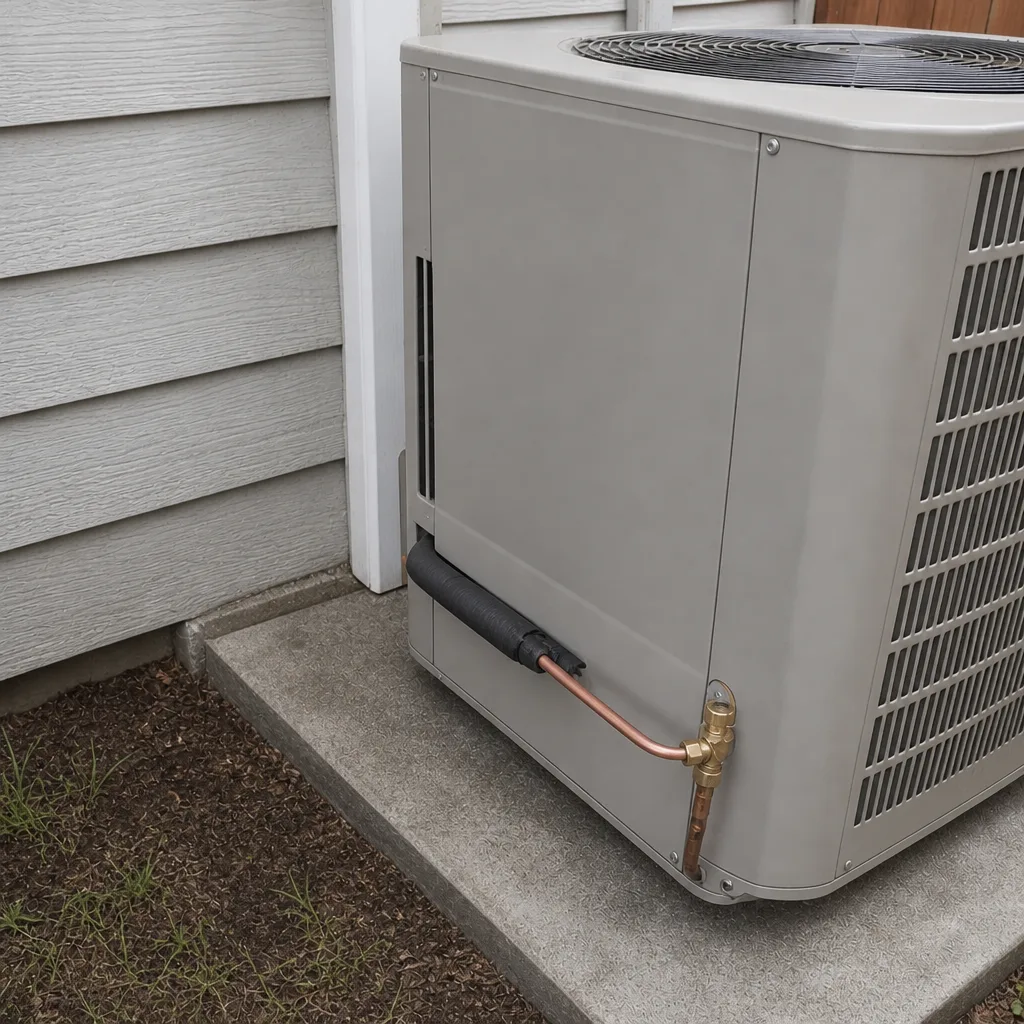
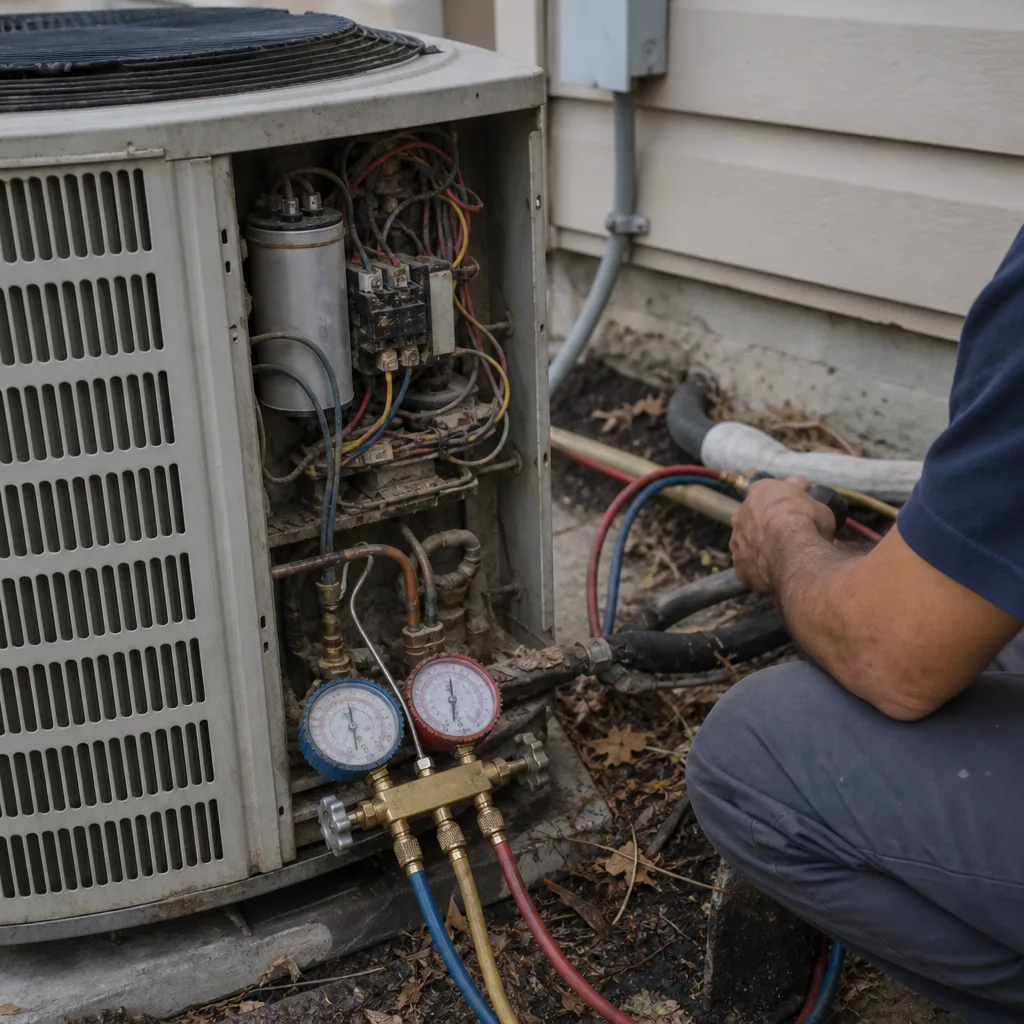
See the difference
 Before
 After
 Before
 After
 Before
 After
When to Call a Professional
Some HVAC choices are yours to navigate; others are genuinely best left to a trained technician. Call a professional when your system won’t cool in the middle of a Pearland summer, when a breaker trips or your unit trips the reset repeatedly, when you smell burning or see ice on the refrigerant lines, or when a quote you’ve received feels like a brand sales pitch more than a diagnosis. Also call when you’re weighing a replacement and want a second, brand-neutral read on what you’ve been told. There’s no reason to guess on load calculations, refrigerant transitions, or warranty registration on your own. AC Repair Pearland offers free estimates in Pearland – call (833) 946-7622. We answer 24/7. Fast dispatch from 7am to 7pm, Sunday through Friday.
Frequently Asked Questions
There’s no single best brand for Pearland; the equipment that performs best is the one sized correctly, installed with a well-matched coil and drain pan, and backed by strong local parts availability. Any of the nine major brands we service can serve a Pearland home well when the installation is right. Call (833) 946-7622 for an honest, brand-neutral recommendation specific to your house.
Brand matters, but less than installation quality. In Pearland’s long cooling season, a correctly sized, well-sealed, properly charged system typically outlasts a better-brand system installed sloppily. Spec-sheet items like coil construction, drain pan material, and cabinet galvanization matter more than the nameplate. A written estimate from a brand-neutral technician sorts out which factors apply to your home.
We service Carrier, Trane, Lennox, Goodman, Rheem, York, Daikin, Bryant, and American Standard systems. That covers the vast majority of residential equipment in Pearland homes, so you don’t need to worry whether your brand is “supported.” One call handles diagnosis whether the system needs AC repair or a full replacement.
Yes, and you should confirm the registration actually went through. Many major brands offer a longer parts warranty (often around ten years) when the system is registered, and default to a shorter term (frequently five years) when it isn’t. Ask your installer for written confirmation. If you bought a home with a system already in place, it’s worth checking whether the prior owner registered it.
R-454B is the new refrigerant replacing R-410A as the industry phase-down advances. Brands have taken different paths: some have moved their whole residential lineup to R-454B, others have transitioned selected models first. Ask which refrigerant your proposed system uses and what that means for service costs and parts availability over the next decade. Call (833) 946-7622 and we’ll walk through what it means for your system.
Ask whether they’d install a different brand at the same spec level, and ask which brands they don’t carry and why. A brand-neutral contractor gives you a real answer and walks through spec tradeoffs. One who steers every conversation back to a single name is likely selling what they stock. Free second-opinion estimates are worth the call – (833) 946-7622.
The Bottom Line
Brand selection matters less than most HVAC marketing lets on. In Pearland, the factors that actually determine whether your system lasts a decade or nickel-and-dimes you by year six are installation quality, correct sizing, coil and drain pan design, local parts support, and whether the warranty was properly registered. Buy the system that fits the house and the support network behind it, then insist on a written, fixed price and a load calculation. We work on nine major brands so you get an honest diagnosis of the system in your home, not the one a dealer would prefer to sell. That’s the approach that keeps Pearland homes comfortable for the long haul.
If you’re weighing a repair, an install, or a quote you’ve already received, call AC Repair Pearland at (833) 946-7622 for a free estimate. We answer 24/7, with fast dispatch from 7am to 7pm, Sunday through Friday.
Written by the team at AC Repair Pearland.